レ・アルィスカン
Vincent van Gogh · 1888
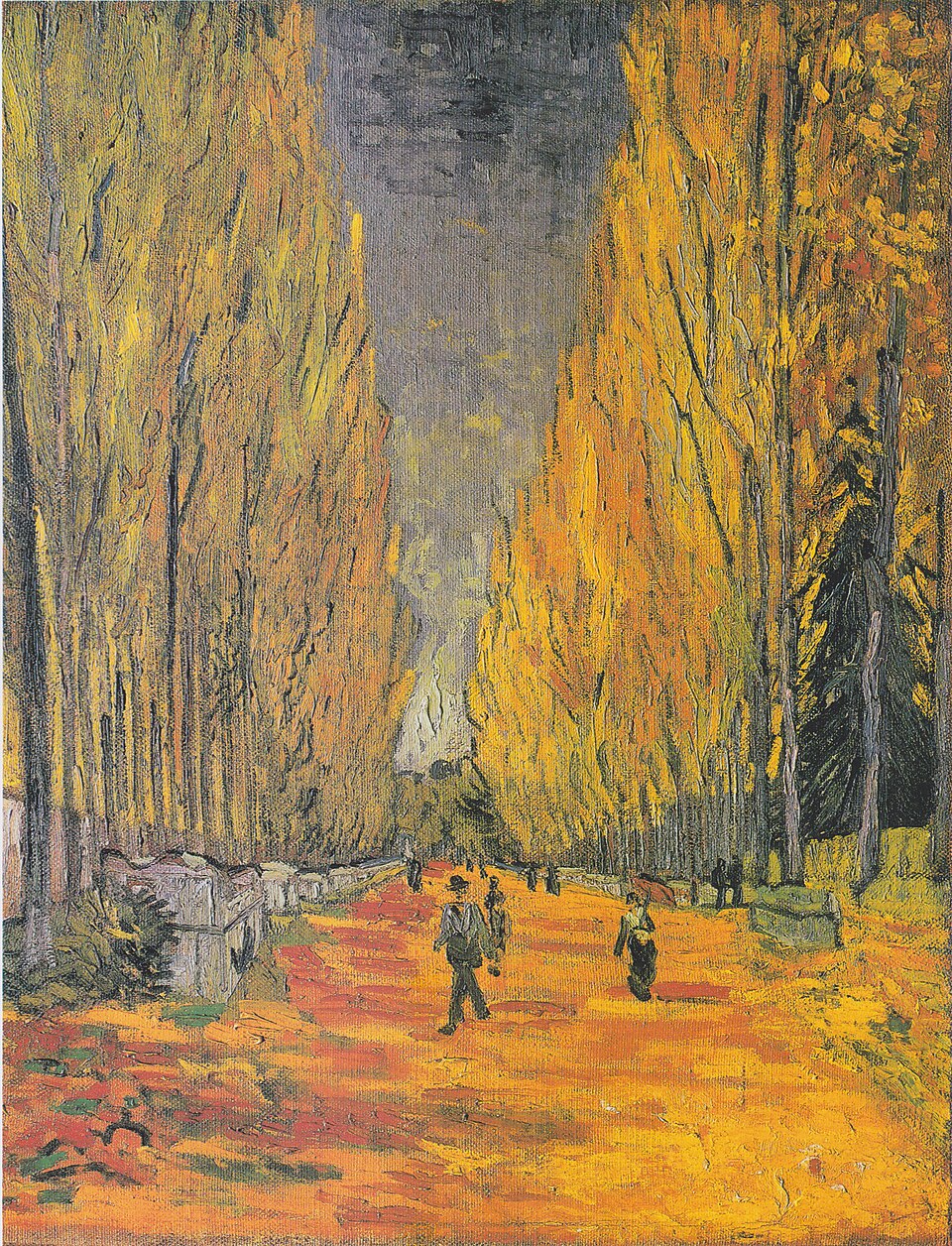
An avenue of autumn poplars runs through an ancient Roman burial ground, and strolling couples turn a place of the dead into a lovers' lane: Van Gogh painted it side by side with Gauguin.
The story behind the painting
After months of letters, Paul Gauguin joined Van Gogh in Arles in October 1888. Both men wanted to paint what they called a non-naturalist landscape, and this picture is among the first works they made after Gauguin arrived. Together they visited the Alyscamps, a Roman necropolis built outside the city walls. Over time factories and the railway had swallowed much of it, leaving the Allée des Tombeaux, an avenue of tombs lined with shady poplars leading to a Romanesque chapel. The two artists deliberately painted some of the same subjects so they could compare their work, and careful study suggests they painted here together between 28 and 31 October, just before heavy rains drove them indoors.
What to look for
Les Alyscamps is actually a pair of paintings, pendants made to be seen together, and this canvas is one of them. Its subject is the autumn avenue itself: poplars lining the path and stone sarcophagi, the ancient coffins that give the place its solemn history. Along the lane, couples stroll in the evening, and it was this romantic aspect of the scene that especially caught the artists' attention. The format is upright, 91.7 by 73.5 centimetres according to Wikidata. As you look, notice how the human walkers, the trees and the tombs share the same space, the life of the present moving quietly among relics of the dead.
Meaning and intent
The Alyscamps, whose name recalls the Elysian Fields, was a burial ground, yet in Van Gogh's day the avenue was known throughout France as a lovers' lane, the women of Arles being celebrated for their beauty. The painting holds both ideas at once: memory and romance, stone and falling leaves. It also records an artistic conversation. Gauguin painted the site on the same day but chose a different vantage point and left out any reference to the ancient sarcophagi. Van Gogh kept them in. Comparing the two approaches reveals how differently two friends could see the same place during their brief, intense time together in Arles.
Legacy
Van Gogh made four views at the Alyscamps: this Les Alyscamps pair and another pair called Falling Autumn Leaves, while Gauguin produced two paintings of his own. Together they document the opening days of one of the most famous partnerships in art history, a collaboration that would end within weeks. Wikidata lists no current museum for this painting, and the sources available here do not say where it can be seen today, so we leave that question open. What endures is the image itself: an autumn walk through history, painted by two artists trying to push landscape beyond simple observation.
豆知識
- Les Alyscamps is a pair of pendant paintings made in Arles in 1888.
- Van Gogh and Gauguin probably painted at the Alyscamps together between 28 and 31 October 1888.
- Gauguin painted the site on the same day but left out the ancient sarcophagi.
- The avenue of tombs was known throughout France as a lovers' lane.
画家について
Vincent van Gogh (1853-1890)
同じ画家の作品: Vincent van Gogh
 星月夜 - Vincent van Gogh (1889)
.jpg) 夜のカフェテラス - Vincent van Gogh (1888)
夜のカフェテラス - Vincent van Gogh (1888) ひまわり - Vincent van Gogh (1888)
 花咲くアーモンドの木の枝 - Vincent van Gogh (1890)
 カラスのいる麦畑 - Vincent van Gogh (1890)
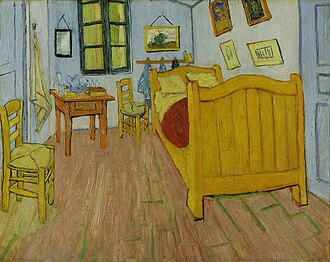 アルルの寝室 - Vincent van Gogh (1888)
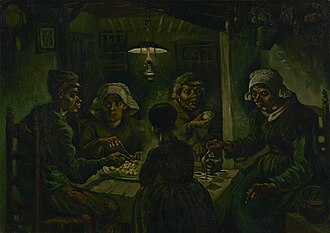 ジャガイモを食べる人々 - Vincent van Gogh (1885)
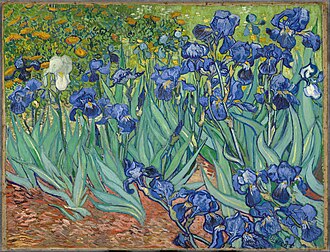 アイリス - Vincent van Gogh (1889)
関連する画家の作品
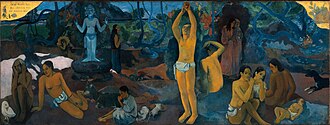 我々はどこから来たのか 我々は何者か 我々はどこへ行くのか - Paul Gauguin (1897-1898)
%201889.jpg) 黄色いキリスト - Paul Gauguin (1889)
黄色いキリスト - Paul Gauguin (1889)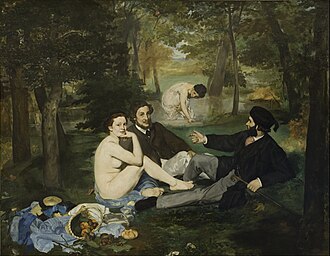 草上の昼食 - Édouard Manet (1863)
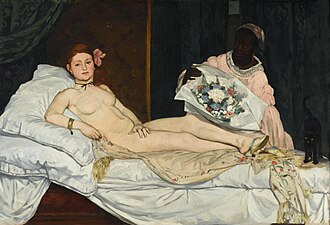 オランピア - Édouard Manet (1863)