知恵と強さの寓意
パオロ・ヴェロネーゼ · 1565
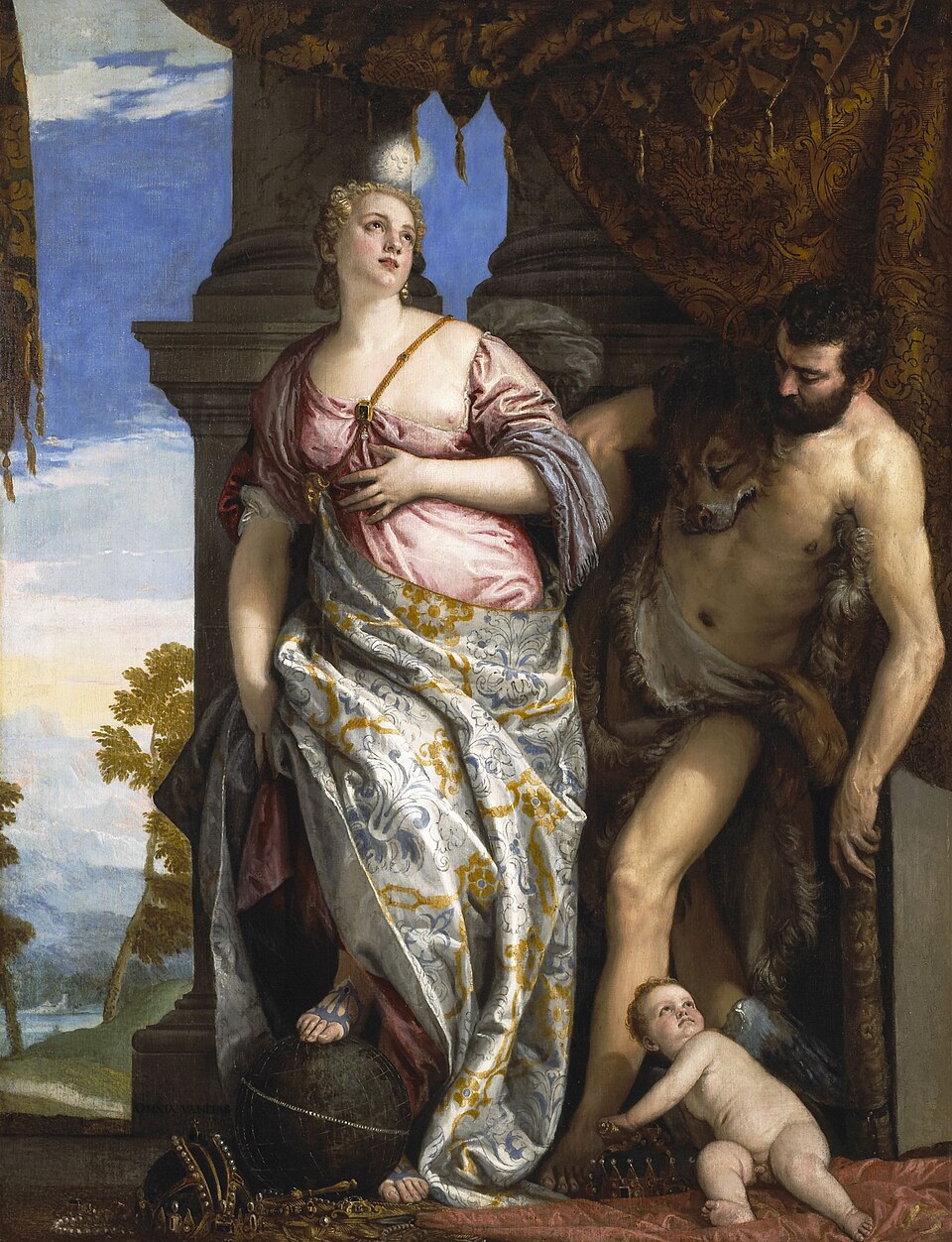
Wisdom rises into the light and gazes at heaven, while a heavy Hercules sinks into shadow, eyes on the jewels at his feet. Veronese set the divine against the earthly in one Venetian canvas around 1565.
The story behind the painting
Veronese painted Allegory of Wisdom and Strength in Venice around 1565. It is a large canvas, about 215 by 167 cm, now in the Frick Collection in New York. Together with Allegory of Virtue and Vice, also at the Frick, it is believed to be his first painting in the allegorical genre, a change from the famous historical and biblical tableaus such as The Wedding at Cana, and from the less formal work of other Venetian painters like Giorgione or Titian. Scholars also think these two were his first works to cross the Alps.
What to look for
Two figures share the canvas. On the left is Divine Wisdom, bathed in light and seeming to rise, her gaze turned upward to heaven. On the right is Hercules, who stands for Strength and for earthly concerns. He looks down at jewels lying below him and moves downward, into deeper shadow. The whole picture works on that contrast of up and down, light and dark, so that you feel the direction of each figure before you name them. Notice how the sky behind them is part of the story of light.
Meaning and intent
The conflict between divine and mortal affairs is the heart of the allegory. Wisdom appears to triumph over the earthly desires of Hercules: strength alone, fixed on riches, sinks, while wisdom looking toward heaven is lifted. Hercules, a hero of power, is shown not as a victor but as someone drawn down by what glitters. The message is moral and simple, but Veronese makes it visible through light, so the viewer reads the lesson with the eyes first.
Legacy
This painting and Virtue and Vice have travelled together since their creation, through Emperor Rudolph II, Queen Christina of Sweden, the Odescalchi family, the Orleans collection of Philippe II, Duke of Orleans, and English owners and dealers, before reaching the Frick. Many scholars assumed they were a pair. In 1970 Edgar Munhall first suggested otherwise, and in the 2000s scholars at the Metropolitan Museum of Art confirmed it: the two have different supports, different grounds and differently made skies, and they did not seem to complement each other visually as pendants would.
豆知識
- Painted in Venice around 1565.
- Wisdom rises into light, Hercules sinks into shadow.
- Owned by Rudolph II and Queen Christina of Sweden.
- Technical study showed it was not made as a pair with Virtue and Vice.
画家について
パオロ・ヴェロネーゼ (1528-1588)
同じ画家の作品: パオロ・ヴェロネーゼ
 カナの婚礼 - Paolo Veronese (1560s)
.jpg) レヴィ家の饗宴 - Paolo Veronese (1573)
レヴィ家の饗宴 - Paolo Veronese (1573).jpg) ヴィーナスとアドニス - Paolo Veronese (1580)
ヴィーナスとアドニス - Paolo Veronese (1580)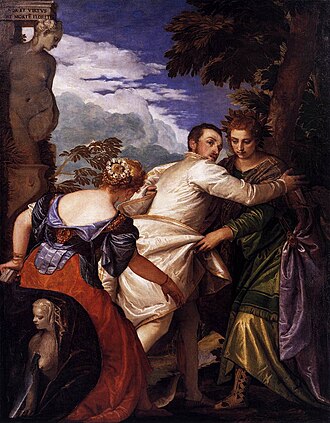 美徳と悪徳の間の選択 - Paolo Veronese (1565)
 キューピッドによって結ばれるマルスとヴィーナス - Paolo Veronese (1570s)
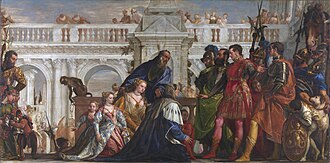 アレクサンドロス大王の前に出たダレイオスの家族 - Paolo Veronese (1565)
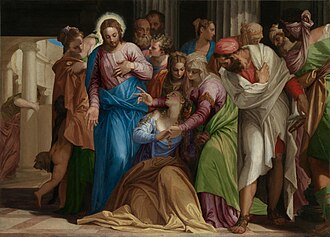 マグダラのマリアの改宗 - Paolo Veronese (1548)
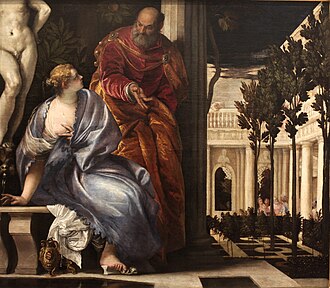 バテシバの水浴 - Paolo Veronese (1575)
関連する画家の作品
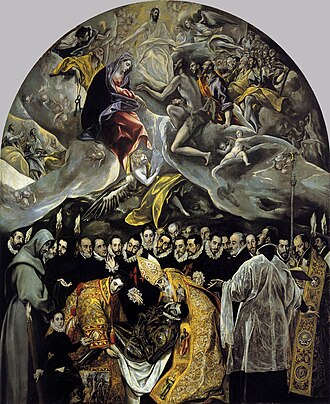 オルガス伯の埋葬 - El Greco (1586)
 トレドの風景 - El Greco (1596)
 最後の晩餐 - Jacopo Tintoretto (1563)
 奴隷を解放する聖マルコ - Jacopo Tintoretto (1540s)
.jpg) ウルビーノのヴィーナス - Titian (1538)
ウルビーノのヴィーナス - Titian (1538) 聖母被昇天 - Titian (1510s)
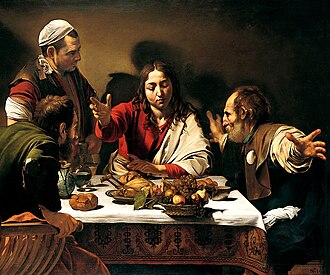 エマオの晩餐 - Caravaggio (1601)
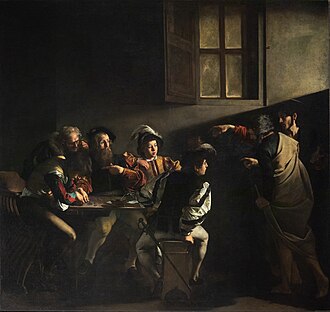 聖マタイの召命 - Caravaggio (1609)
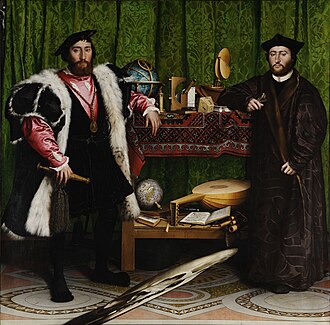 大使たち - Hans Holbein the Younger (1533)
 墓の中のキリストの屍 - Hans Holbein the Younger (1520s)