Portrait of Juan de Pareja
Diego Velázquez · 1650
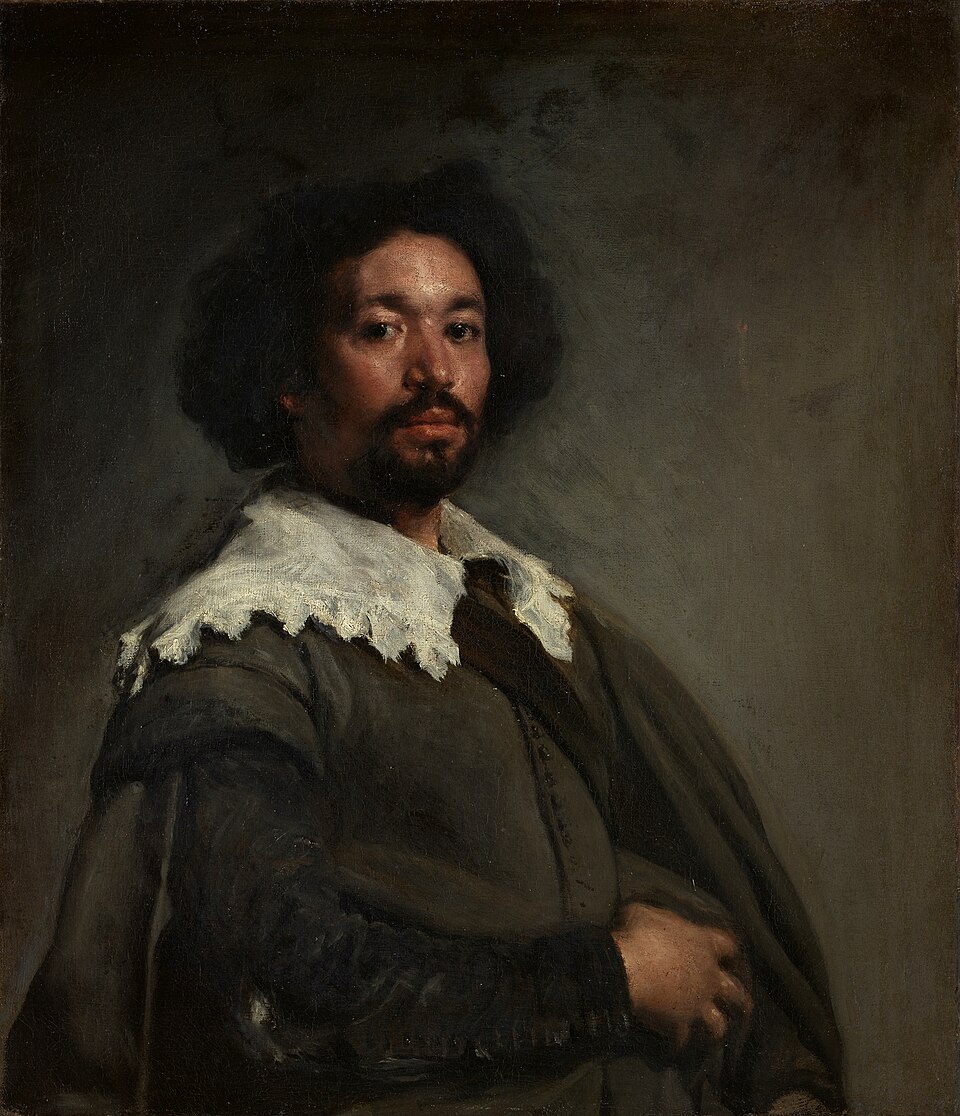
In Rome in 1650, Velázquez painted the enslaved man who worked beside him in his studio. Painters who saw it said the other pictures were art, but this one alone was truth.
The story behind the painting
In 1649 Diego Velázquez, court painter to Philip IV of Spain, was sent to Rome to buy works of art for the Alcázar in Madrid. With him travelled Juan de Pareja, a Morisco from Antequera in southern Spain, an enslaved man who served as an assistant in the workshop. Velázquez painted him as preparation for a far greater challenge: his official portrait of Pope Innocent X, a ruddy-faced man in pink and crimson robes who would have to be captured quickly from life. Painting Pareja let him test those difficulties of colour and composition. It is the earliest known portrait of a Spanish man of Moorish descent.
What to look for
The palette is restricted, yet the figure feels intensely alive. To achieve that, Velázquez used loose, almost impressionistic brushwork rather than polished detail. Look at how the brushstrokes are left visible and quick, giving the portrait the immediacy of a living presence. The composition is a direct, half-length study of one man, with nothing to distract from his face and bearing. This was the effect that struck viewers when it was shown at the Pantheon in Rome on 19 March 1650.
Meaning and intent
According to Antonio Palomino's biography of Velázquez, painters from many countries applauded the work, saying the other pictures in the show were art, but this one alone was "truth". The portrait is more than a practice piece. It shows a man who would become a painter in his own right; Velázquez freed Juan de Pareja in 1654, and Pareja lived until around 1670. The Peruvian painter Herman Braun-Vega, for whom mixed race is a recurring theme, later honoured Pareja as a man who, while enslaved, could only paint in secret.
Legacy
After 1650 the painting vanished for long stretches. It was recorded in Rome with Cardinal Troiano Acquaviva d'Aragona, then in Naples with Sir William Hamilton, and later at Longford Castle with the Earls of Radnor for over 150 years. The Metropolitan Museum of Art acquired it in 1971 and calls it among the most important acquisitions in its history; it hangs in the main building on Fifth Avenue. It inspired Elizabeth Borton de Treviño's novel I, Juan de Pareja, winner of the 1966 Newbery Medal, and reinterpretations by Salvador Dalí, Iba N'Diaye and Herman Braun-Vega. The finest copy belongs to the Hispanic Society of America.
Lo sapevi?
- Painted in Rome in 1650; 81.3 × 69.9 cm.
- Shown at the Pantheon in Rome on 19 March 1650.
- Velázquez freed Juan de Pareja in 1654.
- Collection: Metropolitan Museum of Art, acquired 1971.
L'artista
Diego Velázquez (1599-1660)
portrait · man · Metropolitan Museum of Art · portrait
Altre opere di Diego Velázquez
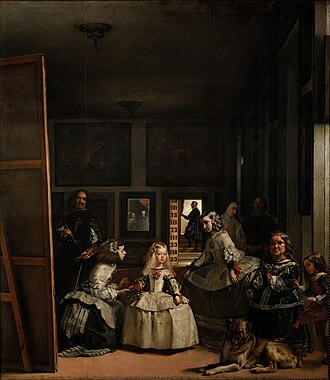 Las Meninas - Diego Velázquez (1656)
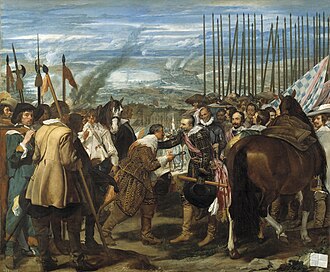 The Surrender of Brea - Diego Velázquez (1635)
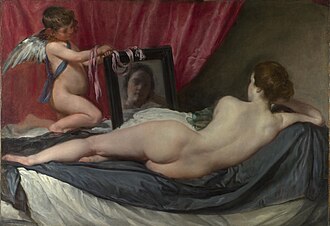 Rokeby Venus - Diego Velázquez (1644)
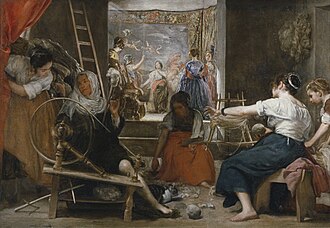 Las Hilanderas - Diego Velázquez
.jpg) Portrait of Innocent X - Diego Velázquez
Portrait of Innocent X - Diego Velázquez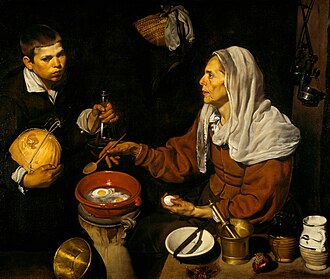 Old Woman Cooking Eggs - Diego Velázquez (1618)
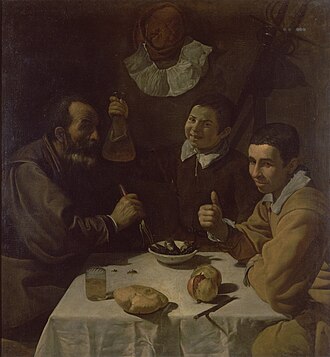 Il pranzo - Diego Velázquez (1617)
.jpg) Il trionfo di Bacco - Diego Velázquez (1628)
Il trionfo di Bacco - Diego Velázquez (1628)
Dipinti di artisti collegati
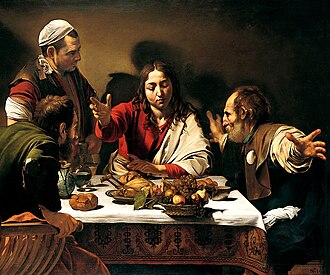 Supper at Emmaus - Caravaggio (1601)
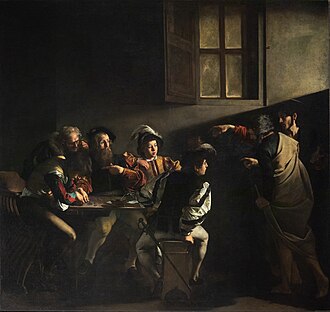 La vocazione di San Matteo - Caravaggio (1609)
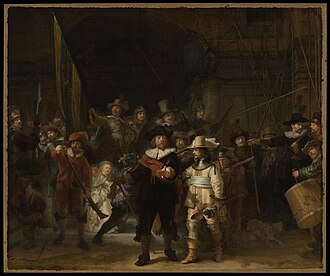 The Night Watch - Rembrandt van Rijn (1642)
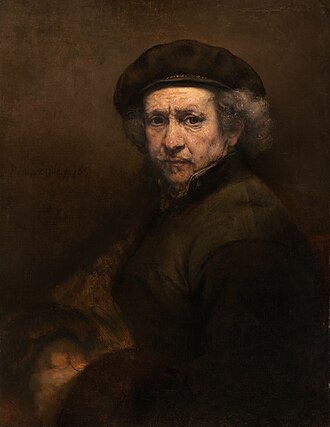 Self-Portrait - Rembrandt van Rijn (1659)
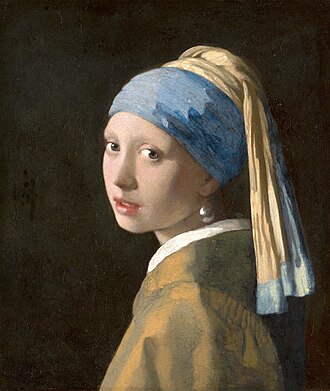 Girl with a Pearl Earring - Johannes Vermeer (1665)
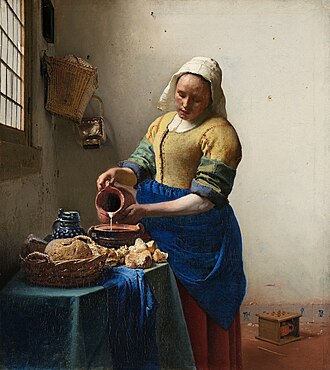 The Milkmaid - Johannes Vermeer (c. 1658)