Philip IV in old age
Diego Velázquez · 1653
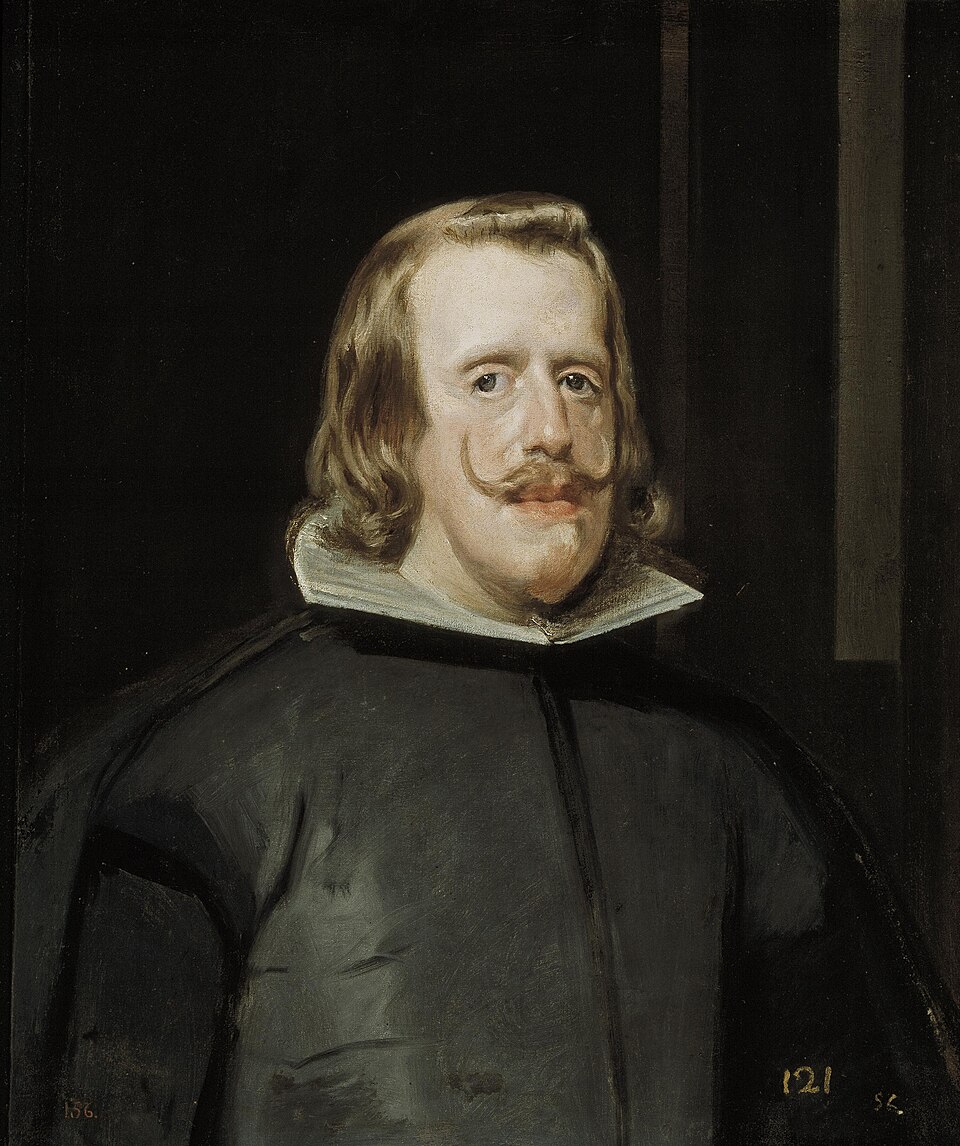
A tired king looks out of a dark ground, his face modelled with care while his clothes are only a few black strokes. This is the last portrait Velázquez painted of Philip IV from life, and people still argue over what that face reveals.
The story behind the painting
This bust in the Prado is the last portrait Velázquez painted of Philip IV of Spain from life, and the only one made after his second trip to Italy. In July 1653 the king wrote to Sister Luisa Magdalena de Jesús that no portrait of him had been made for nine years, and that he did not wish to submit to Velázquez's brushes and see himself grow old. The portrait was painted between that letter and 1655, when the drawing of the head served Pedro de Villafranca for an engraving. Wikidata gives the year 1653.
What to look for
It is a small, unfinished study of the king's head, about 69 by 56 cm, with chest and shoulders only suggested. The ground of the canvas is similar to the one Velázquez used for Las Meninas. The face is modelled more fully than in other paintings of these years, while the rest is painted briefly: black strokes, a few lighter touches for the shine of silk, and rare strokes of deep black to mark edges and folds, with great economy.
Meaning and intent
The king, about fifty here, has inspired many psychological readings of the painter's intentions. Jonathan Brown argued against seeing it as a record of decline and defeat, because so many copies were made, which suggests it was meant as an official image rather than a private view of the king's mood and health. When the workshop placed the same head on a full-length portrait in armour, Philip IV with a Lion at his Feet, Brown felt the cloud of melancholy vanished.
Legacy
The Prado head became the prototype for many copies, some with the collar of the Golden Fleece added, now in places such as the Hermitage, Vienna's Kunsthistorisches Museum and the Academy of San Fernando in Madrid. Its history is uncertain until 1745, when it left the collection of the Duke of Arco for the royal collections; it went to the Academy of San Fernando in 1816 and to the Prado in 1827. Scholars disagree about a related version in London's National Gallery: López-Rey saw it as a pupil's copy, Brown and Julián Gállego as an original.
Lo sapevi?
- Last portrait of Philip IV painted by Velázquez from life.
- Painted between July 1653 and 1655.
- An unfinished study, about 69 by 56 cm.
- In the Prado since 1827.
L'artista
Diego Velázquez (1599-1660)
portrait · Museo del Prado · Philip IV of Spain
Altre opere di Diego Velázquez
 Las Meninas - Diego Velázquez (1656)
 The Surrender of Brea - Diego Velázquez (1635)
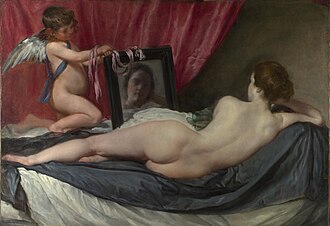 Rokeby Venus - Diego Velázquez (1644)
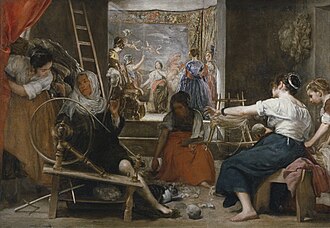 Las Hilanderas - Diego Velázquez
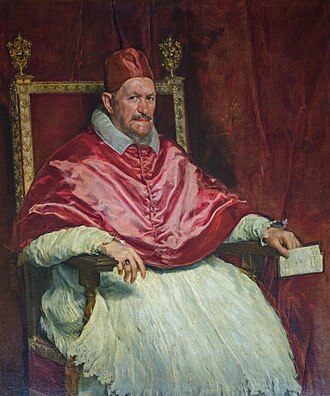 Portrait of Innocent X - Diego Velázquez
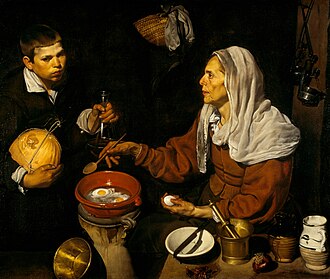 Old Woman Cooking Eggs - Diego Velázquez (1618)
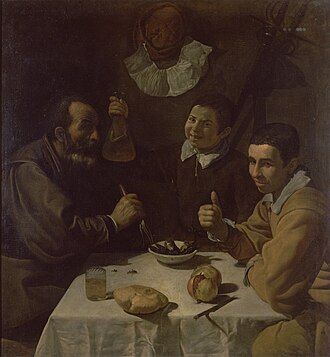 Il pranzo - Diego Velázquez (1617)
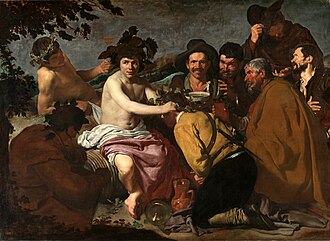 Il trionfo di Bacco - Diego Velázquez (1628)
Dipinti di artisti collegati
 Supper at Emmaus - Caravaggio (1601)
 La vocazione di San Matteo - Caravaggio (1609)
 Saint Francis in Meditation - Francisco de Zurbarán (1639)
 The Immaculate Conception - Francisco de Zurbarán (1661)
 Charles I in Three Positions - Anthony van Dyck (1635)
 Charles I (1600-1649) with M. de St Antoine - Anthony van Dyck (1636)
 The Elevation of the Cross - Peter Paul Rubens (1609)
 The Rape of the Daughters of Leucippus - Peter Paul Rubens (1618)
 The Night Watch - Rembrandt van Rijn (1642)
 Self-Portrait - Rembrandt van Rijn (1659)
 A Militiaman Holding a Berkemeyer, Known as the ‘Merry Drinker’ - Frans Hals (1620s)
 Laughing Cavalier - Frans Hals (1624)