General John Burgoyne
Joshua Reynolds · 1766
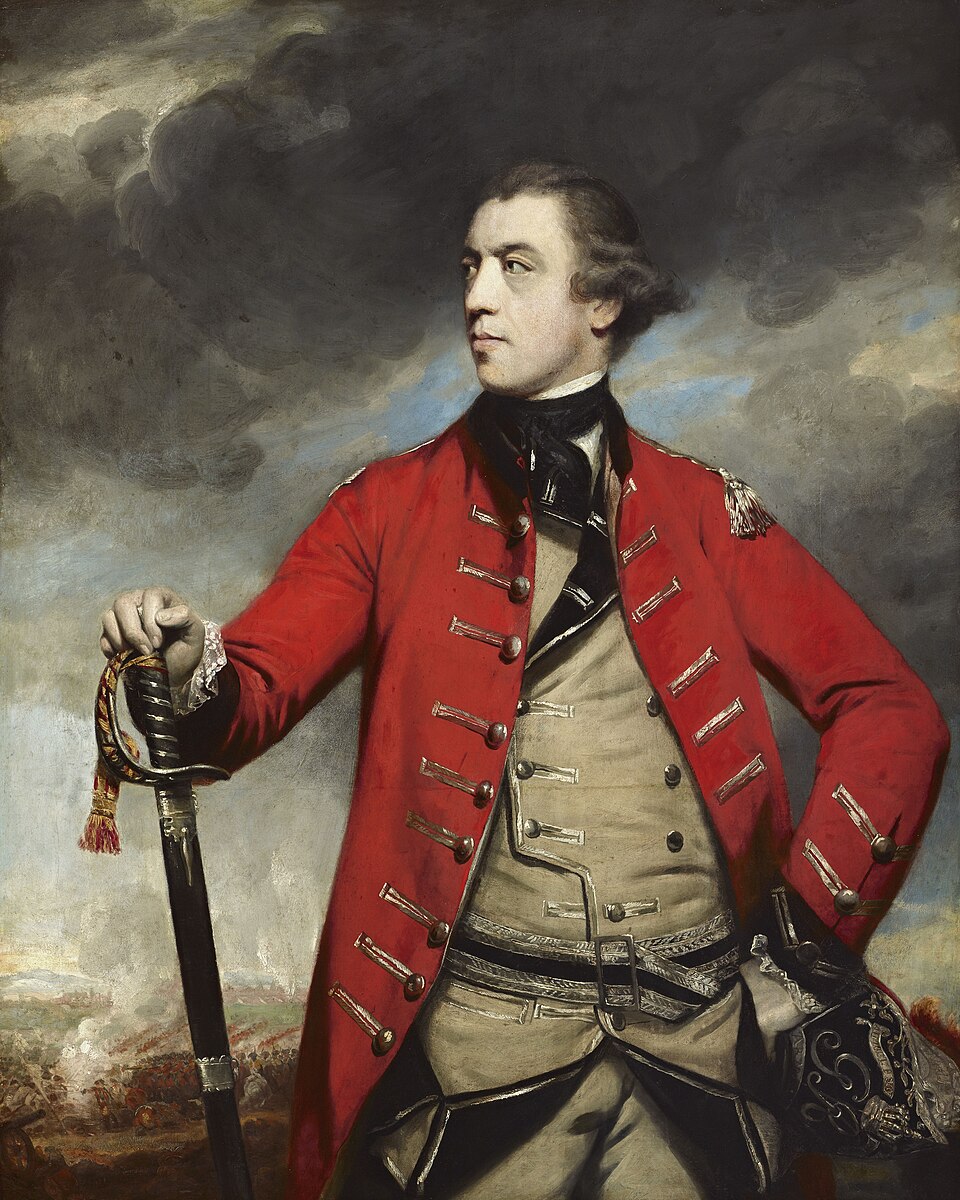
A cavalry officer stands against a stormy sky, sword at his side, a battle raging far behind him. Reynolds painted John Burgoyne in 1766, eleven years before the surrender at Saratoga made his name famous.
The story behind the painting
When Joshua Reynolds painted him in 1766, John Burgoyne had won distinction in the Seven Years' War, resisting the Spanish invasion of Portugal in 1762. Since 1761 he had been Member of Parliament for Midhurst. The portrait was commissioned by his former commander in Portugal, William, Count of Schaumburg-Lippe. Reynolds was already an established portrait painter in Britain. Two years later he would be a driving force behind the creation of the Royal Academy, serving as its first President until 1792.
What to look for
Burgoyne appears in military dress with his sword, wearing the uniform of the Sixteenth Light Dragoons, a branch of the light cavalry. His figure is silhouetted against a low horizon and a stormy sky, a feature common in romantic art. Look to the lower left of the background: a battle is taking place there, small and distant. The canvas measures about 127 by 101 cm, so the officer fills the picture with quiet confidence while the turmoil stays behind him.
Meaning and intent
The portrait shows a soldier at the height of his early success, honoured by the commander he had served. The stormy sky and the distant fight give him a heroic setting without showing him in action. Burgoyne was more than a soldier: in 1768 he won a hotly contested election in Preston and held that seat for the rest of his life, and he later wrote two plays, The Maid of the Oaks (1774) and The Heiress (1786), both staged in London's West End.
Legacy
Burgoyne is best remembered for what came after this picture. In 1777 he led a British army south from Canada to capture Albany in New York, but mislaid orders left him isolated at the Battle of Saratoga, and he surrendered to Horatio Gates, a former British officer serving with the Continental Army. Congress refused his terms and imprisoned his soldiers, while Burgoyne was paroled to go home and defend his conduct. The painting was acquired in 1943 by the Frick Collection in New York City, where it is today.
Lo sapevi?
- Painted by Joshua Reynolds in 1766.
- Commissioned by William, Count of Schaumburg-Lippe.
- Burgoyne wears the uniform of the Sixteenth Light Dragoons.
- In the Frick Collection, New York, since 1943.
L'artista
Joshua Reynolds (1723-1792)
portrait · The Frick Collection
Altre opere di Joshua Reynolds
 The Ladies Waldegrave - Joshua Reynolds (1780)
 Captain George K. H. Coussmaker - Joshua Reynolds (1782)
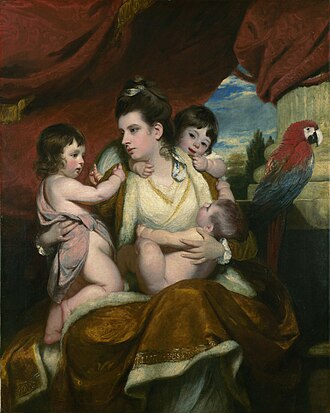 Lady Cockburn and Her Three Eldest Sons - Joshua Reynolds (1773)
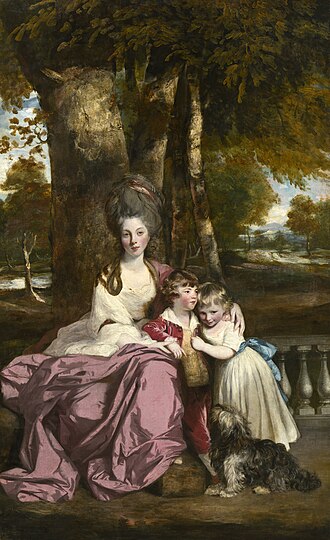 Lady Elizabeth Delmé and Her Children - Joshua Reynolds (1770s)
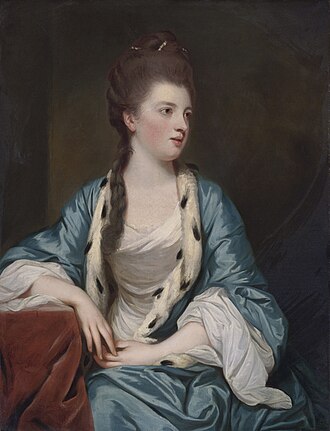 Elizabeth Kerr, Marchioness of Lothian - Joshua Reynolds (1769)
 Thaïs - Joshua Reynolds (1781)
 David Garrick Between Tragedy and Comedy - Joshua Reynolds (1761)
 Lady Worsley - Joshua Reynolds (1779)
Dipinti di artisti collegati
 The Fighting Temeraire - J. M. W. Turner (1839)
 Rain, Steam and Speed - The Great Western Railway - J. M. W. Turner (1844)
 Pollice Verso - Jean-Léon Gérôme (1872)
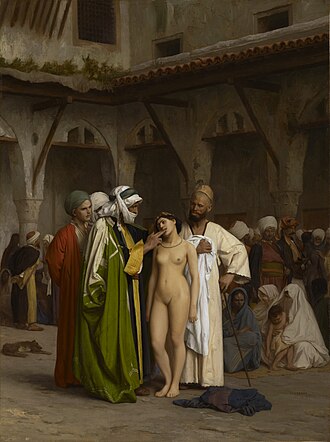 The Slave Market - Jean-Léon Gérôme (1866)
 Luncheon on the Grass - Édouard Manet (1863)
 Olympia - Édouard Manet (1863)
 L'Origine du monde - Gustave Courbet (1866)
 A Burial at Ornans - Gustave Courbet (2020)
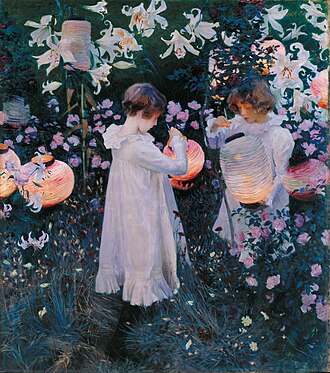 Carnation, Lily, Lily, Rose - John Singer Sargent (1885-1886)
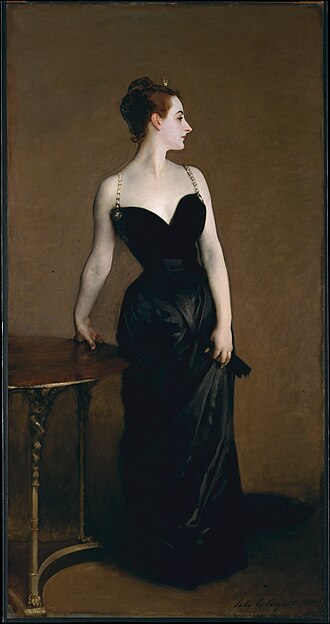 Madame X - John Singer Sargent (1884)
 Liberty Leading the People - Eugène Delacroix (1830)
 Death of Sardanapalus - Eugène Delacroix (1827)