Don Diego del Corral y Arellano
Diego Velázquez · 1632
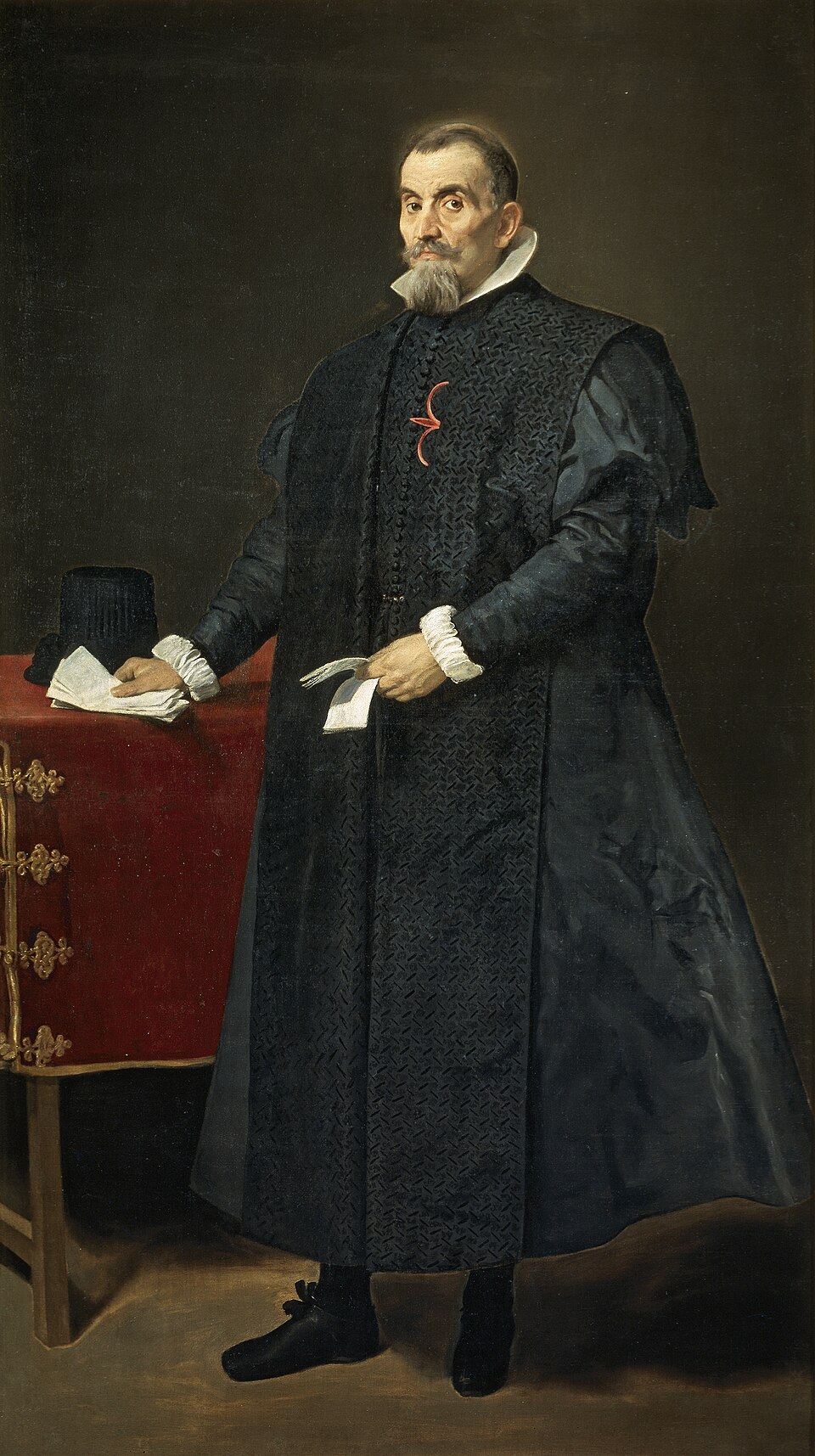
A judge in black stands with papers in hand, one hand on a red velvet table. Velázquez painted Diego del Corral y Arellano around the year he died, a man remembered for voting against a death sentence.
The story behind the painting
Velázquez may have painted the canvas between 1631 and 1632, the year the sitter died, at the same time as the portraits of his wife Antonia de Ipeñarrieta and their eldest son Luis. The two spouses' portraits share size, materials and technique. In 1668 the work was listed among the goods of the family at the Narros Palace in Zarautz, beside portraits of Philip IV and of the Count-Duke of Olivares, all attributed to Velázquez. It stayed with the family, ignored by critics, until Aureliano de Beruete called it one of the best portraits of the period.
What to look for
He is shown full length against a neutral ground. A bright line of lighter tone runs above his head, giving relief and seeming to enlarge it like a halo. He is dressed in black, in a jurist's gown that almost hides his cross of the Order of Santiago, and holds papers. One hand rests on a table covered with red velvet, on which lies a hat. Velázquez followed court conventions, placing the figure close to the front so the floor seems seen from above and the head nears the top edge. Notice the shimmering blacks of the costume and the expressive face.
Meaning and intent
Diego del Corral was born in 1570 at Santo Domingo de Silos, studied at the University of Salamanca and became dean of its law faculty, then served as prosecutor and councillor and became a knight of Santiago in 1622. On the tribunal that judged Rodrigo Calderón, he voted against the death penalty imposed by the two other judges. This act of integrity set him against the government of the Count-Duke of Olivares and kept him away from royal power. In 1627 he married Antonia, almost thirty years younger, and they had six sons. He died in Madrid on 20 May 1632.
Legacy
Some writers once thought the portrait was painted over an earlier one, with the head reworked around 1632 and left unfinished at his death; X-rays and technical studies by the Prado rule this out. In 1902 the painting was shown at the Prado for the coronation of Alfonso XIII. The Madrid press reported that a rich North American wanted to buy it, and that its owner, the Duchess of Villahermosa, refused, saying she loved her family, her country and art, and money very little. In 1905 she bequeathed it to the Prado with her portrait of his wife. It travelled to New York's Metropolitan Museum in 1989.
Le saviez-vous ?
- Painted around 1631-1632.
- The sitter voted against a death sentence for Rodrigo Calderón.
- Bequeathed to the Prado in 1905 by the Duchess of Villahermosa.
- Made together with the portrait of his wife, with the same materials.
À propos de l'artiste
Diego Velázquez (1599-1660)
portrait · musée du Prado · baroque
Autres œuvres de Diego Velázquez
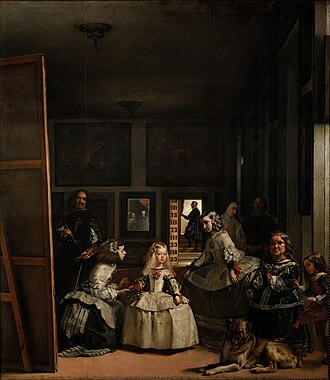 Les Ménines - Diego Velázquez (1656)
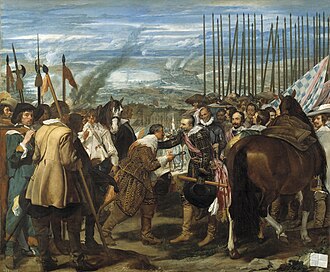 La Reddition de Bréda - Diego Velázquez (1635)
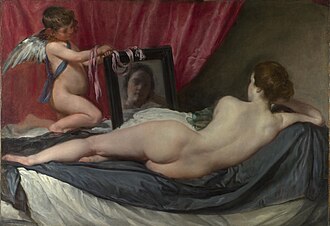 Vénus à son miroir - Diego Velázquez (1644)
 Les Fileuses - Diego Velázquez
.jpg) Innocent X - Diego Velázquez
Innocent X - Diego Velázquez Vieille faisant frire des œufs - Diego Velázquez (1618)
 Trois hommes à table, le déjeuner - Diego Velázquez (1617)
.jpg) Le Triomphe de Bacchus - Diego Velázquez (1628)
Le Triomphe de Bacchus - Diego Velázquez (1628)
Œuvres d'artistes liés
 Le Souper à Emmaüs - Caravaggio (1601)
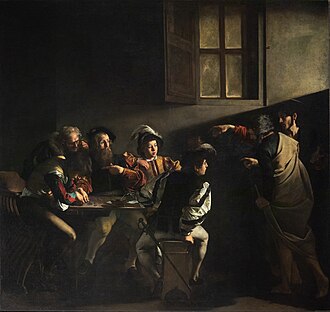 La Vocation de saint Matthieu - Caravaggio (1609)
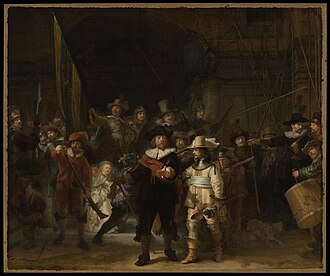 La Ronde de nuit - Rembrandt van Rijn (1642)
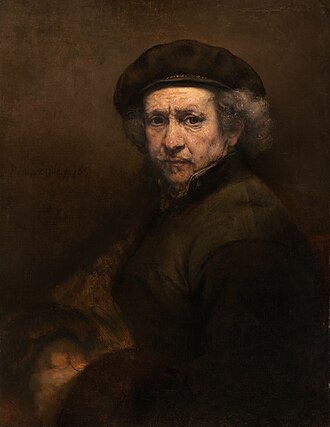 Autoportrait - Rembrandt van Rijn (1659)
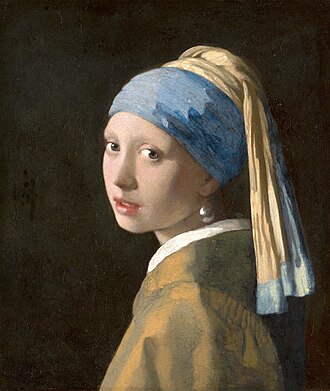 La Jeune Fille à la perle - Johannes Vermeer (1665)
 La Laitière - Johannes Vermeer (c. 1658)