Portrait de Baldassare Castiglione
Raphaël · 1515
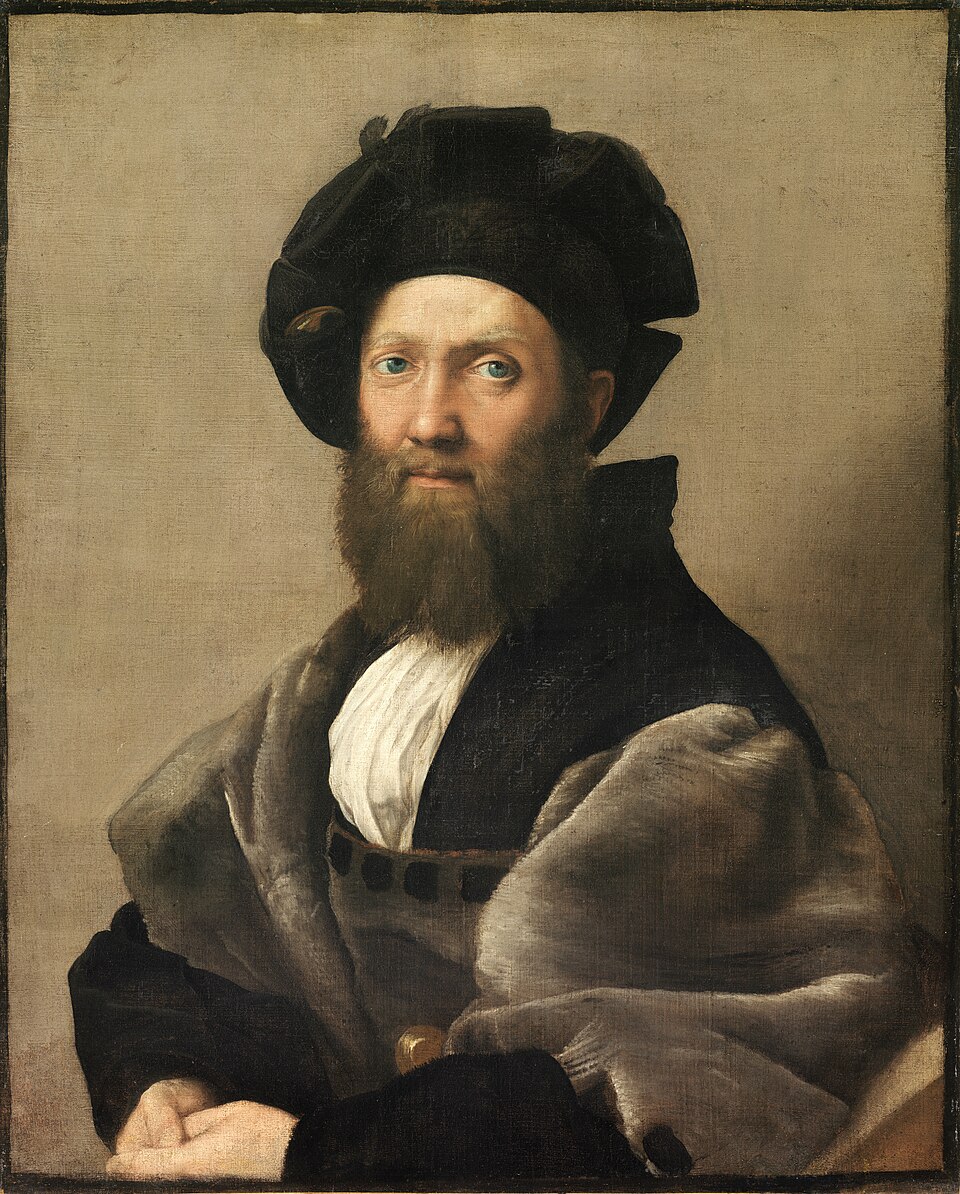
A courtier in grey fur and a dark beret looks at us with quiet, almost vulnerable calm. Raphael painted his friend, the man who wrote the rules of graceful living, and Titian, Rembrandt, Rubens and Matisse kept coming back to it.
The story behind the painting
Raphael and Baldassare Castiglione were close friends by 1504, when Castiglione made his second visit to Urbino and Raphael was gaining recognition in the humanist circle of its ducal court. Their rise in courtly circles ran in parallel. The portrait, attributed to Raphael, dates from about 1514 to 1515, when Castiglione was in Rome as envoy of Guidobaldo da Montefeltro to Pope Leo X. It may have had an intimate purpose: Castiglione had left his family behind, and in a poem he imagined his wife and son consoling themselves with the picture.
What to look for
The composition is a pyramid. Castiglione sits against an earth toned background in a dark doublet trimmed with squirrel fur and black ribbon, a turban under a notched beret, clothes that suggest winter. The lightest areas are his face, seen almost head on, a billow of white shirt and his folded hands, cropped at the bottom edge. Seventeenth century copies show the hands whole, which once suggested the canvas had been cut, but researchers later found it had not. Lawrence Gowing noted how the grey fur shines brightest as it turns away from the light.
Meaning and intent
Castiglione is shown as vulnerable, with the humane sensitivity of Raphael's later portraits, his soft contours and rounded beard matching his subtle personality. In The Book of the Courtier he argued for cultivated manners and dress and popularised sprezzatura, roughly nonchalant mastery, an ideal of effortless grace. The painting has exactly that restraint. Its composition and atmosphere suggest a homage to the Mona Lisa, which Raphael would have seen in Rome. Gowing found in it the subtlety of baroque observation with the stillness of classic painting at its peak.
Legacy
Titian was strongly influenced by it. In 1639 Rembrandt sketched it while it was being auctioned in Amsterdam and echoed it in several self portraits, and Rubens painted a copy now in the Courtauld Institute. Ingres chose a similar frame for his Portrait of Monsieur Bertin, Matisse copied it, and Cézanne praised how well rounded the forehead was. Louis XIV acquired it in 1661 from the heirs of Cardinal Mazarin, and it is now in the Louvre. James Beck called it a final solution for the single male portrait of the Renaissance.
Le saviez-vous ?
- Painted about 1514-1515, attributed to Raphael.
- The sitter wrote The Book of the Courtier.
- Rembrandt sketched it at an Amsterdam auction in 1639.
- Acquired by Louis XIV in 1661; now in the Louvre.
À propos de l'artiste
Raphaël (1483-1520)
portrait · département des peintures du musée du Louvre · barbe
Autres œuvres de Raphaël
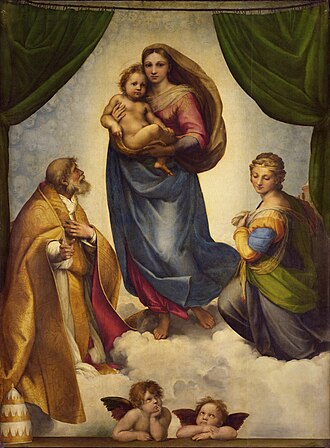 La Madone Sixtine - Raphael (1510s)
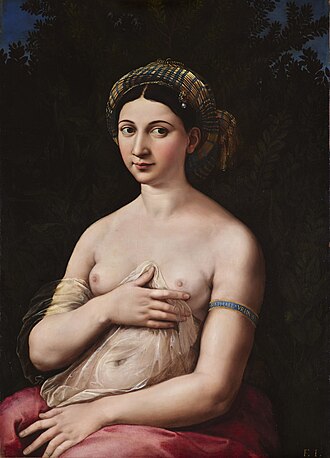 La Fornarina - Raphael
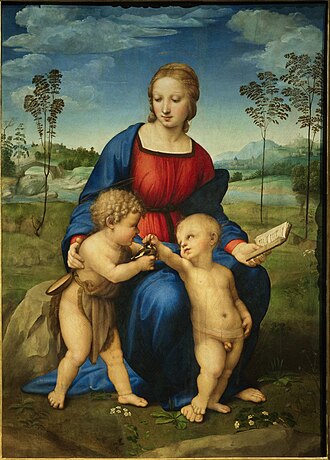 La Vierge au chardonneret - Raphael (1500s)
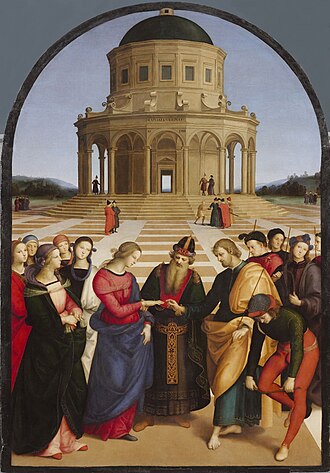 Le Mariage de la Vierge - Raphael (1504)
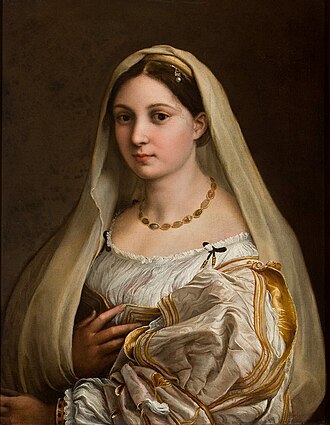 La donna velata - Raphael (1510s)
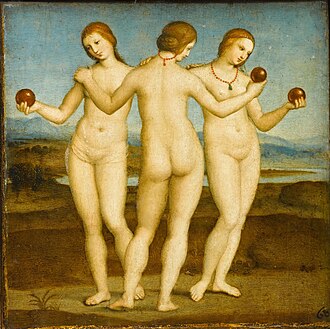 Les Trois Grâces - Raphael (1504)
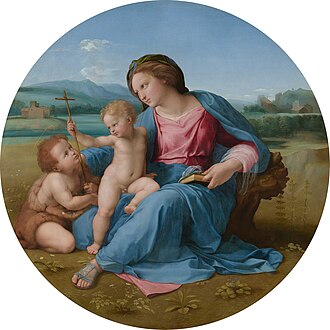 La Madone d'Alba - Raphael (1510)
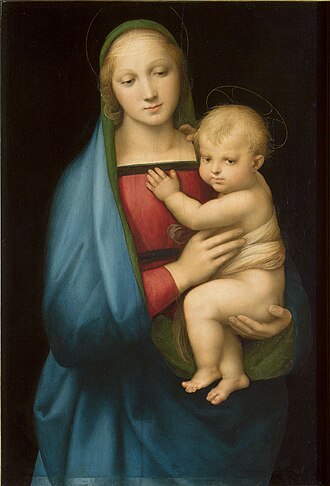 La Madone du Grand-Duc - Raphael (1500s)
Œuvres d'artistes liés
 Vénus d'Urbin - Titian (1538)
 L'Assomption de la Vierge - Titian (1510s)
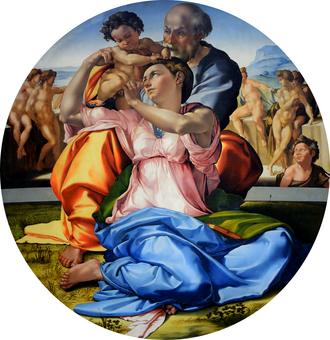 Tondo Doni - Michelangelo (1500s)
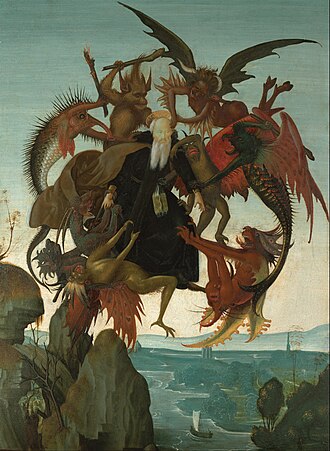 Le Tourment de saint Antoine - Michelangelo (1487)
 La Joconde - Leonardo da Vinci (1503-1519)
 La Dame à l'hermine - Leonardo da Vinci (1490)
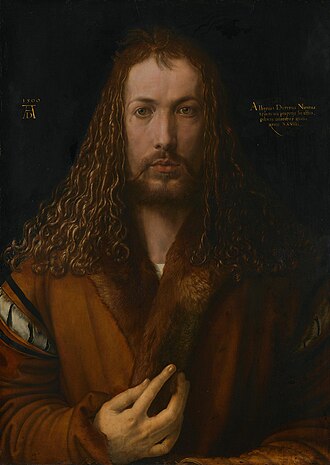 Autoportrait - Albrecht Dürer (1500)
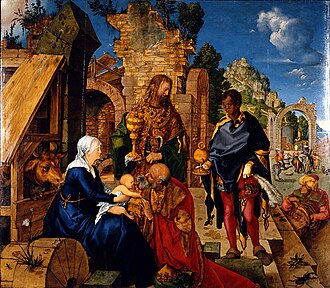 Adoration des mages - Albrecht Dürer (1504)
 La Naissance de Vénus - Sandro Botticelli (c. 1485)
 Le Printemps - Sandro Botticelli (1480s)
 Le Jardin des délices - Hieronymus Bosch
 La Nef des fous - Hieronymus Bosch (1500s)