La toilette
François Boucher · 1742
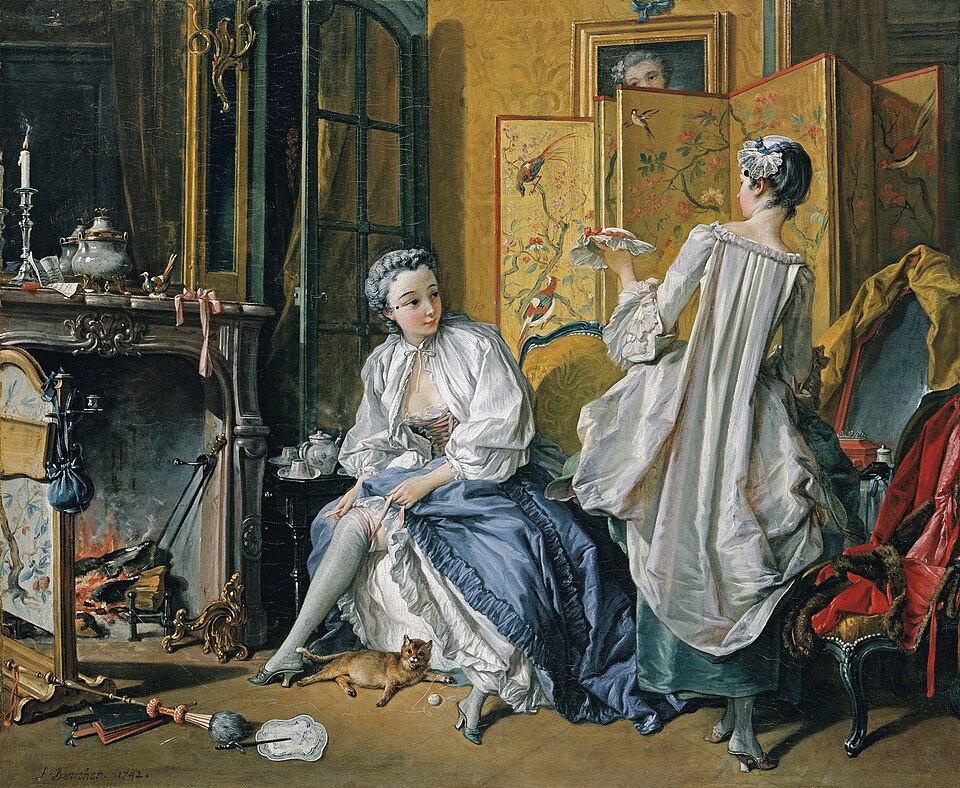
A letter on the mantelpiece, a garter half on, a cat stealing a ball of yarn: in Boucher's little 1742 scene, a young woman is dressing in a hurry for an unexpected visit.
The story behind the painting
Boucher painted this small genre scene in 1742, one of the most representative of his works on the subject. It was commissioned by Count Carl Gustaf Tessin, the Swedish ambassador in Paris and one of Boucher's patrons. Tessin already owned Boucher's Triumph of Venus and oils by Chardin, Lancret and Lemoyne. In 1745 he would order another everyday series from Boucher, the hours of an elegant lady's day, of which only one painting, The Milliner, survives.
What to look for
At first the room looks untidy, but a closer look shows that the mess comes from haste. The young woman, a lady or a courtesan, it is not clear, is expecting a surprise visit announced by the letter on the chimneypiece. She is fastening a garter; the other one hangs from the mantel. Her maid offers her headdresses, and her back hides the dressing table. On the floor lie the bellows, the brush and the fan; the cat plays with yarn stolen from the sewing bag.
Meaning and intent
Behind them stands an exotic Chinese screen, the kind of chinoiserie fashionable in high society, in the same yellow as the curtains and the wall hangings, where a pastel can be glimpsed. A breakfast service for two, with tea and coffee, waits behind. Dutch Baroque painters had shown domestic interiors with Calvinist austerity. Rococo kept the love of daily scenes but looked at them with a cheerful, worldly and mischievous eye, letting us peek into the private rooms of ladies.
Legacy
That extreme attention to detail, textures and materials makes such scenes valuable witnesses to the customs, fashions and interiors of the eighteenth century. Here we can almost list what a fashionable Parisian room held in 1742: the screen, the hearth tools, the tea and coffee, the pastel on the wall. The picture, about 53 by 67 cm, entered the Thyssen-Bornemisza collection in 1967 and hangs today in the Thyssen-Bornemisza Museum in Madrid.
Le saviez-vous ?
- Painted in 1742.
- Commissioned by Count Carl Gustaf Tessin, Swedish ambassador in Paris.
- A letter on the mantel hints at an unexpected visit.
- In the Thyssen-Bornemisza collection since 1967.
À propos de l'artiste
François Boucher (1703-1770)
Autres œuvres de François Boucher
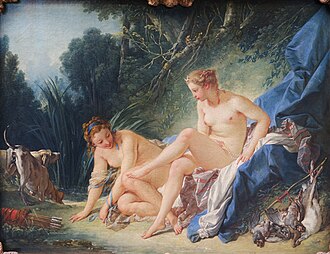 Diane sortant du bain - François Boucher (1742)
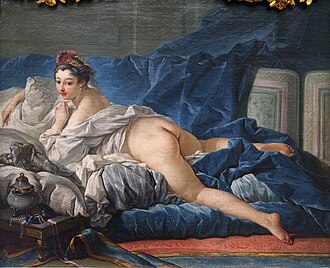 L'Odalisque - François Boucher (1740s)
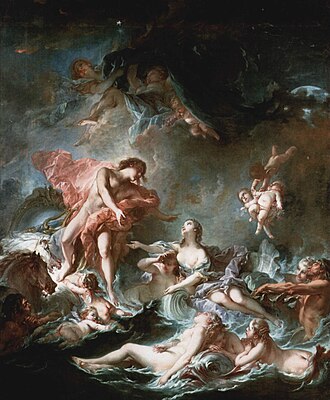 Le Coucher du soleil - François Boucher (1752)
 Hercule et Omphale - François Boucher (1730s)
 Le Lever du Soleil - François Boucher (1753)
 Le Déjeuner - François Boucher (1739)
 La Toilette de Vénus - François Boucher (1751)
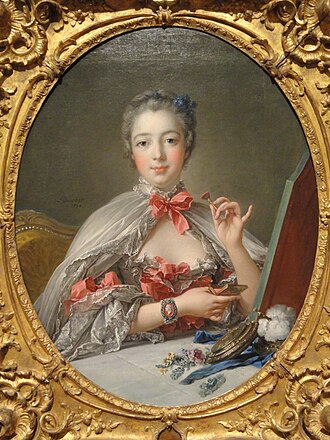 Pompadour à sa toilette - François Boucher (1750)
Œuvres d'artistes liés
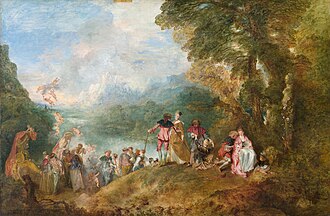 Le Pèlerinage à l'île de Cythère - Jean-Antoine Watteau (1717)
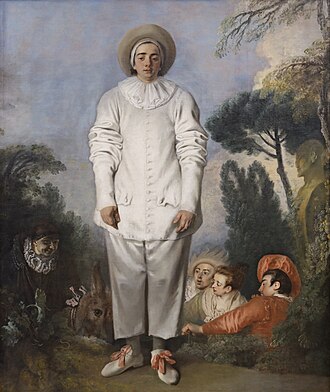 Pierrot - Jean-Antoine Watteau (1718)
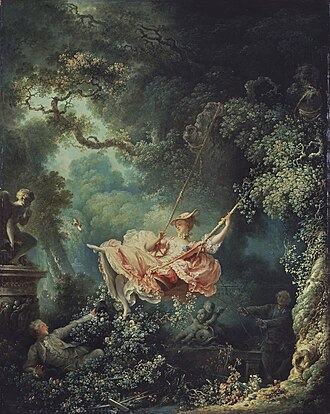 Les Hasards Heureux de l'Escarpolette - Jean-Honoré Fragonard (1760s)
 La Liseuse - Jean-Honoré Fragonard (1770)
 Tres de Mayo - Francisco Goya (1814)
 La Maja nue - Francisco Goya (1800)