Juan Mateos
Diego Velázquez · 1634
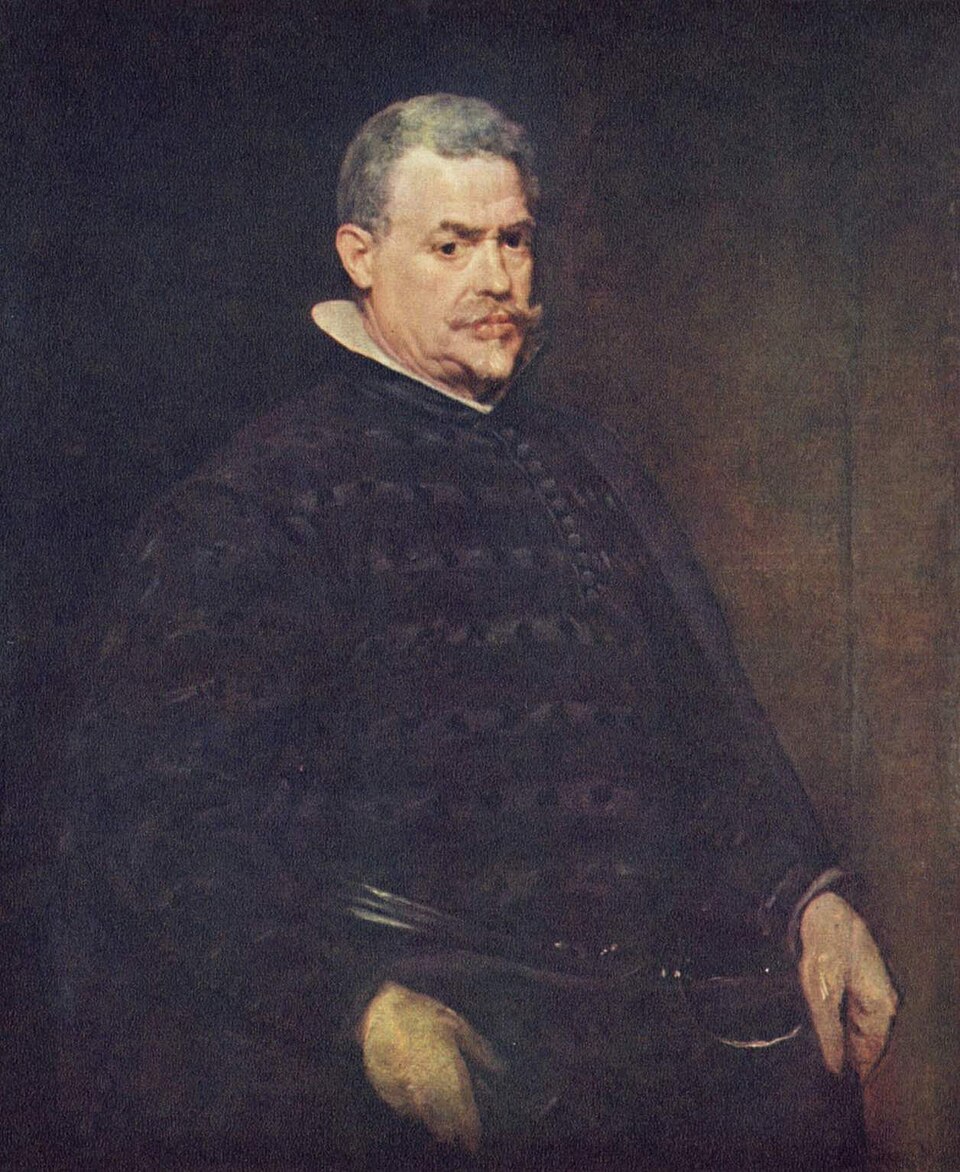
A man in black looks straight at you, his face lit hard, his hands barely sketched. For a long time in Dresden this portrait passed as a Titian, and before that it was sold as a Rubens. Today it is widely attributed to Velázquez.
The story behind the painting
The painting is widely attributed to Velázquez and dated 1632 or 1633 by Wikipedia, while Wikidata gives 1634. It appears in 1685 among the possessions of Cesare Ignazio of Modena, described as a portrait by Signor Velasco whose hands were only roughly sketched. The sitter is believed to be Juan Mateos, Philip IV's horseman and chief crossbowman, and author of a book called Origin and Dignity of Hunting. Art historian Carl Justi compared the face with a small engraved portrait of Mateos by Pedro Perete printed at the front of that book.
What to look for
The figure is cut below the waist and dressed in black with golden highlights and a white collar. The hands are only outlined: the right rests on the hilt of a pistol, the left on a sword. He stands out against a reddish-grey background that grows lighter just in front of him. The head, strongly lit and slightly turned, looks at the viewer with a penetrating gaze. Look closely for the signs of age, the wrinkles on the nose and the neck. The contrast between the finished face and the unfinished hands is part of what made the early inventory remember it.
Meaning and intent
The pistol and sword suit a man of the royal hunt, a crossbowman who served the king. Velázquez concentrates everything on the face, where light and attention gather, and leaves the rest suggestive. The source gives no statement of intent from the painter, but the unfinished hands and the searching eyes create a portrait that feels direct and alive, a working courtier at the court of Philip IV rather than a grand display of rank.
Legacy
Jonathan Brown suggests the portrait may have been bought after Mateos died by Ippolito Camillo Guidi, the Duke of Modena's ambassador in Madrid from 1641 to 1643, who was sent to buy art. Mateos's own inventory, however, listed two full-length portraits of himself and his wife, María Marquart, with no painter named, so the match is uncertain. Sold as a Rubens in 1746 to Augustus III of Poland, the work entered the Gemäldegalerie Alte Meister in Dresden, where for some time it was thought to be by Titian.
Le saviez-vous ?
- Widely attributed to Velázquez, dated about 1632 to 1633 (Wikidata: 1634).
- The sitter is believed to be Juan Mateos, Philip IV's chief crossbowman.
- Sold as a Rubens in 1746 and once thought to be a Titian.
- In the Gemäldegalerie Alte Meister, Dresden.
À propos de l'artiste
Diego Velázquez (1599-1660)
portrait · Collections d'Art d'État de Dresde
Autres œuvres de Diego Velázquez
 Les Ménines - Diego Velázquez (1656)
 La Reddition de Bréda - Diego Velázquez (1635)
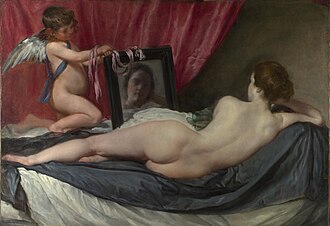 Vénus à son miroir - Diego Velázquez (1644)
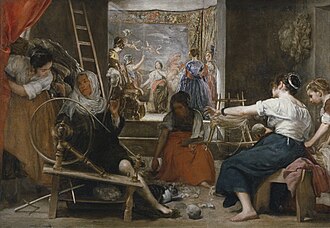 Les Fileuses - Diego Velázquez
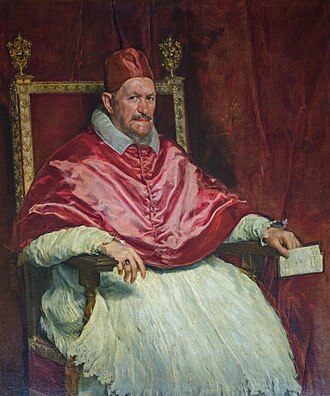 Innocent X - Diego Velázquez
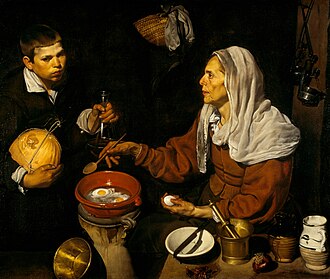 Vieille faisant frire des œufs - Diego Velázquez (1618)
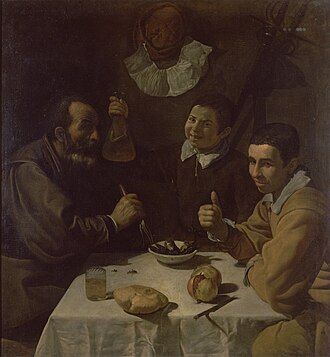 Trois hommes à table, le déjeuner - Diego Velázquez (1617)
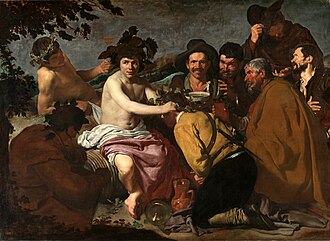 Le Triomphe de Bacchus - Diego Velázquez (1628)
Œuvres d'artistes liés
 Le Souper à Emmaüs - Caravaggio (1601)
 La Vocation de saint Matthieu - Caravaggio (1609)
 Saint Francis in Meditation - Francisco de Zurbarán (1639)
 The Immaculate Conception - Francisco de Zurbarán (1661)
 Triple portrait de Charles Ier - Anthony van Dyck (1635)
 Charles Ier à cheval avec Monsieur de Saint Antoine - Anthony van Dyck (1636)
 L'Érection de la croix - Peter Paul Rubens (1609)
 L'Enlèvement des filles de Leucippe - Peter Paul Rubens (1618)
 La Ronde de nuit - Rembrandt van Rijn (1642)
 Autoportrait - Rembrandt van Rijn (1659)
 Le Joyeux Buveur - Frans Hals (1620s)
 Le Cavalier riant - Frans Hals (1624)