La oración del huerto
El Greco · 1590
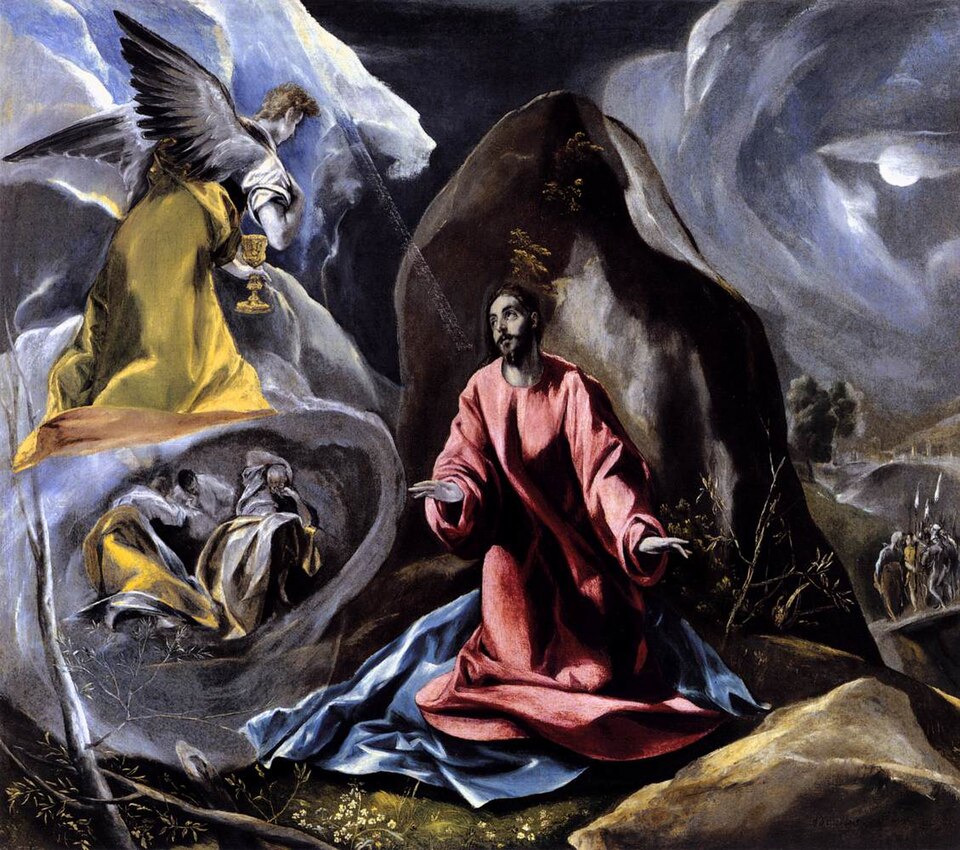
Christ kneels in prayer before a huge rock that looks like his own shadow turned to stone, while the apostles sleep inside a cloud. In a cold, grey landscape, a few delicate flowers keep the vision tied to earth.
The story behind the painting
The prayer in the garden of Gethsemane, an important episode of the Passion, is told in all four canonical gospels, briefly in John and in more detail in the other three. El Greco follows the Gospel of Luke (22:39-46), showing Jesus kneeling rather than lying face down as in Matthew and Mark. In his catalogue of El Greco, Harold Wethey distinguished two models of this subject: type I, three paintings in horizontal format, and type II, the vertical ones. This canvas, now in the Toledo Museum of Art in Ohio, is the main work of type I, dated around 1590 to 1595; Wikidata gives 1590.
What to look for
Look first at the great rock behind Christ: it seems to be his own shadow, enlarged and turned to stone. The sleeping apostles are painted small, tucked into a hollow formed by a cloud that looks almost solid. Above that cloud the angel appears, painted with great lyricism and monumentality. The cold, grey landscape makes a striking effect. Then look down at the delicate flowers in the foreground and the bush to the right of Jesus. The canvas measures about 102 by 114 cm according to Wethey, or 102.2 by 113.7 cm according to the museum.
Meaning and intent
Despite the extraordinary play of shapes, the most important thing in this canvas is colour, which brings movement, emphasis, beauty and harmony to every element. The flowers and the bush are not just beautiful: they give the scene a certain earthly character, without which the work would be too visionary. So the painting holds two worlds at once, the strange dream space of solid clouds and a stone shadow, and the small living plants of a real garden, where a man prays alone in the night before his arrest.
Legacy
Wethey judged this the best of the three type I canvases, catalogued as number 29, and Tiziana Frati lists it as 90-a. It is signed in cursive Greek letters, including the word for Cretan. The canvas was excessively restored and cleaned, losing its final glazes, especially on the figure of Christ. It passed through the Cacho collection in Madrid, Lionel Harris in London around 1926 and Arthur Sachs in New York around 1928, before being bought with Libbey Endowment funds and given to the Toledo Museum of Art by Edward Drummond Libbey.
¿Sabías que…?
- Main work of Wethey's type I, horizontal format.
- Dated about 1590 to 1595; Wikidata says 1590.
- Follows Luke: Christ kneels rather than lies prostrate.
- Now in the Toledo Museum of Art, Ohio.
Sobre el artista
El Greco (1541-1614)
arte religioso · manierismo · Museo de Arte de Toledo
Más obras de El Greco
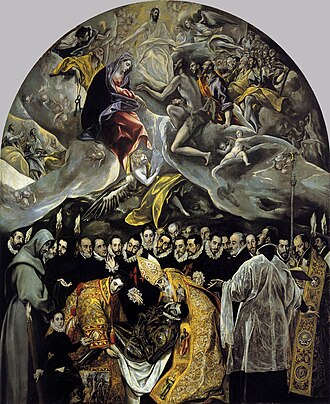 El entierro del Conde de Orgaz - El Greco (1586)
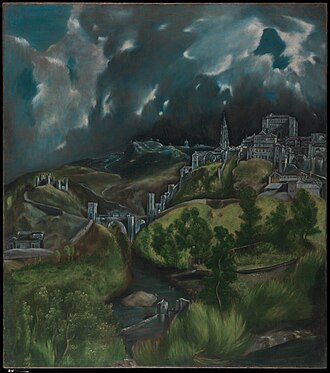 Vista de Toledo - El Greco (1596)
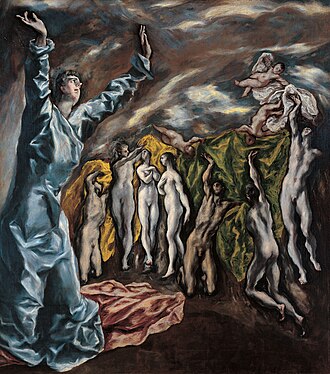 Visión del Apocalipsis - El Greco (1610)
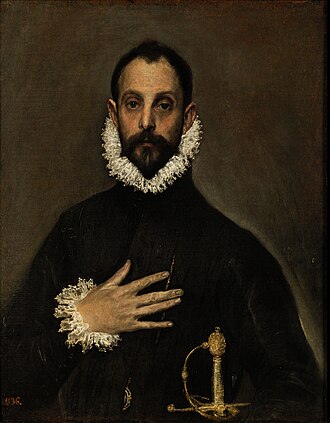 El caballero de la mano en el pecho - El Greco (1580)
%20-%20Laoco%C3%B6n%20-%20Google%20Art%20Project.jpg) Laocoonte - El Greco (1610s)
Laocoonte - El Greco (1610s)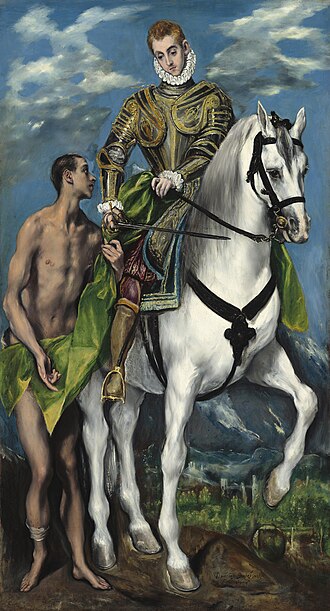 San Martín y el mendigo - El Greco (1597)
.jpg) Adoración de los pastores - El Greco (1612)
Adoración de los pastores - El Greco (1612) Concierto de ángeles - El Greco (1600s)
Obras de artistas relacionados
.jpg) Venus de Urbino - Titian (1538)
Venus de Urbino - Titian (1538)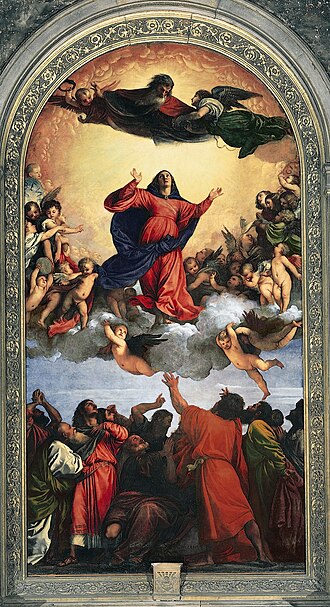 La Asunción de la Virgen - Titian (1510s)
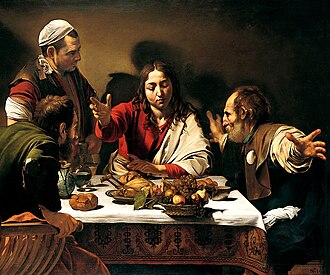 La cena de Emaús - Caravaggio (1601)
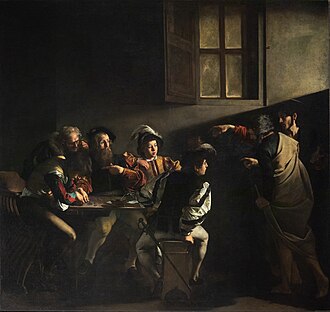 La vocación de San Mateo - Caravaggio (1609)
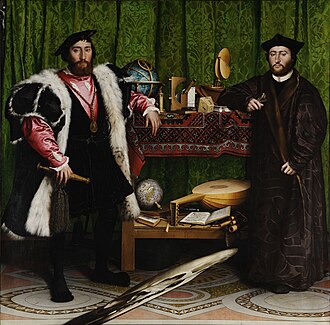 Los embajadores - Hans Holbein the Younger (1533)
 El cuerpo de Cristo en la tumba - Hans Holbein the Younger (1520s)