Santa Eulalia
John William Waterhouse · 1885
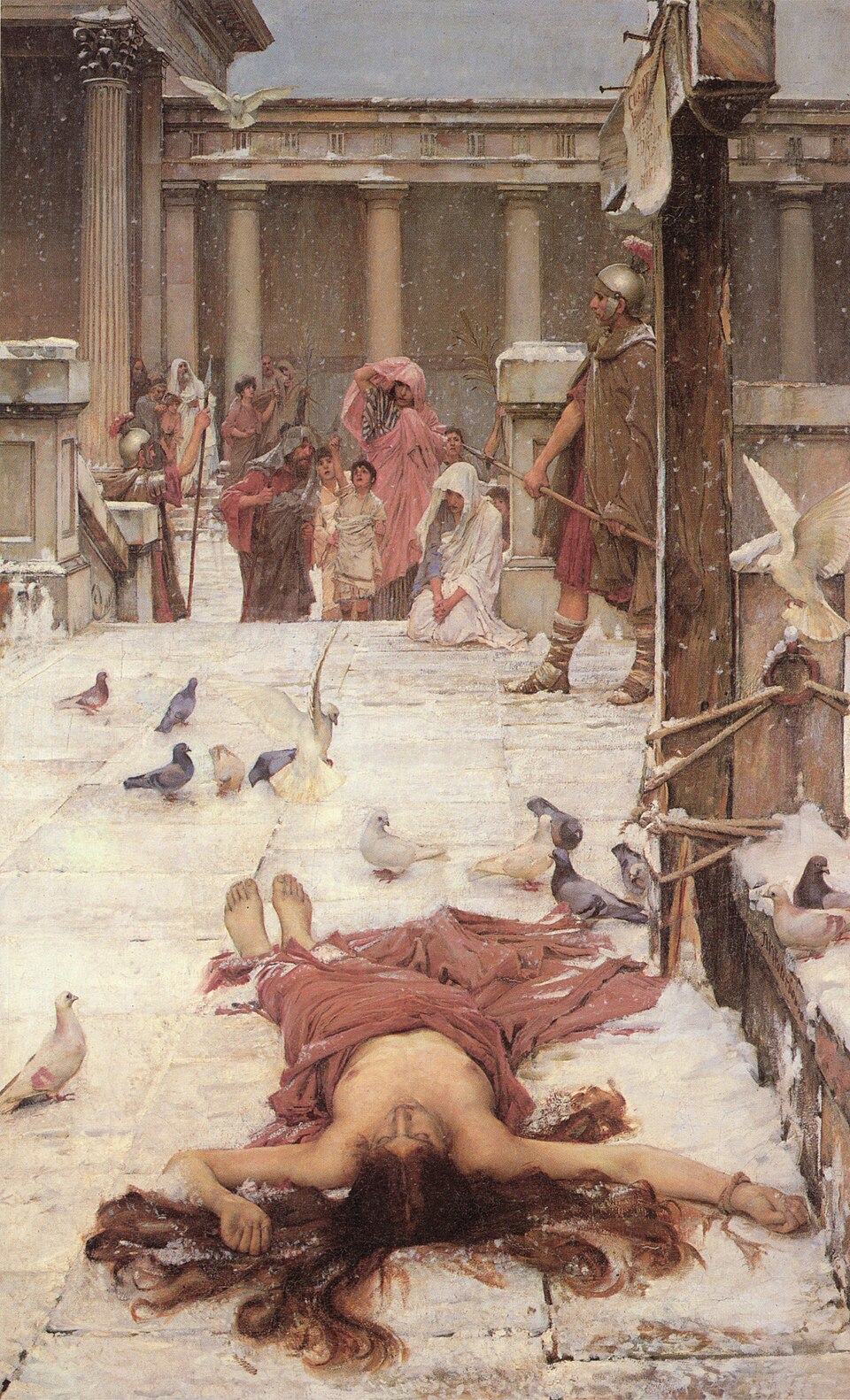
A twelve-year-old martyr lies dead in the snow, her body stretched across the front of the canvas, while a dove rises toward the distant crowd. It is one of Waterhouse's most daring pictures.
The story behind the painting
Waterhouse painted Saint Eulalia in 1885, in the Pre-Raphaelite style, showing the aftermath of the death of Eulalia of Mérida. According to legend, God sent snow as a shroud to cover the saint's nakedness, and her soul flew out of her mouth as a dove. A comparison with the artist's study shows how he reworked the idea: the male figure was moved back, the snow no longer falls, and her breasts are no longer partly covered by snow. These changes deepen the stillness and isolation of the final picture.
What to look for
The corpse is dramatically foreshortened and laid across the front of the canvas, leaving much of the centre empty. All the background figures are placed in the distance, so the gaze returns to the body. The white of the snow plays against the white of her bare flesh. Near the crowd of mourners a dove flies upward. The canvas is tall, about 189 by 118 cm, which makes the empty space between the girl and the people even more striking.
Meaning and intent
The nudity was new for Waterhouse and could have exposed him to criticism, but his sensitive handling, the youth of the saint and the historical setting let him escape the critics. The picture is less about the violence of martyrdom than about what follows: silence, cold, a body left alone, and a soul leaving. The snow is both a shroud and a sign of grace, and the emptiness of the composition makes the viewer feel the distance between the dead child and the living.
Legacy
The painting won considerable admiration. A reviewer in The Magazine of Art in 1885, quoted by Bram Dijkstra, praised its power and originality, the pathetic dignity of the outstretched figure and the mastery of the foreshortening. Wikidata lists both the National Gallery and Tate as holders; Wikipedia says it is in Tate Britain, London, though not on display in 2025. It remains one of the most unusual works by a painter better known for romantic heroines.
¿Sabías que…?
- Painted by John William Waterhouse in 1885.
- Shows the death of Eulalia of Mérida, aged 12.
- The dove stands for her soul rising to heaven.
- Praised by The Magazine of Art in 1885.
Sobre el artista
John William Waterhouse (1849-1917)
arte religioso · National Gallery de Londres · Hermandad Prerrafaelita · Tate
Más obras de John William Waterhouse
 hilas y las ninfas - John William Waterhouse (1896)
.jpg) La señora de Shalott - John William Waterhouse (1888)
La señora de Shalott - John William Waterhouse (1888)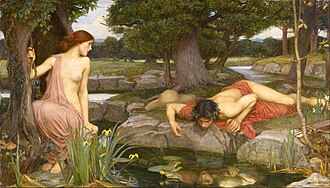 Eco y Narciso - John William Waterhouse (1903)
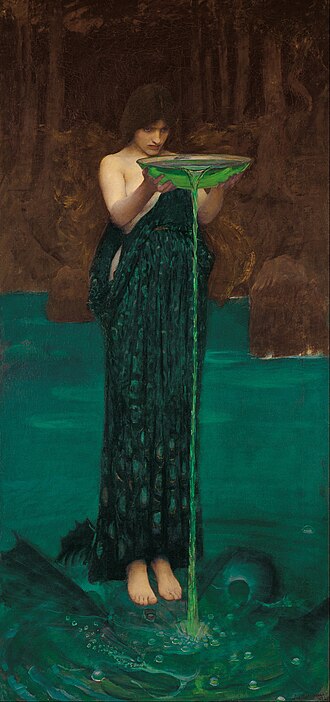 Circe Invidiosa - John William Waterhouse (1892)
.jpg) Ulises y las sirenas - John William Waterhouse (1891)
Ulises y las sirenas - John William Waterhouse (1891)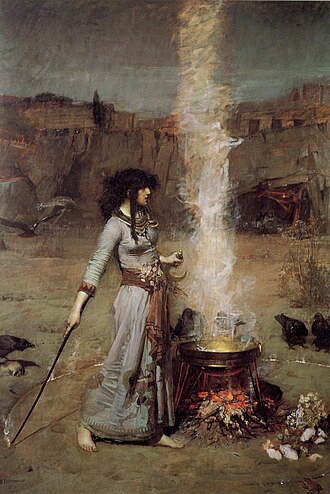 El círculo mágico - John William Waterhouse (1886)
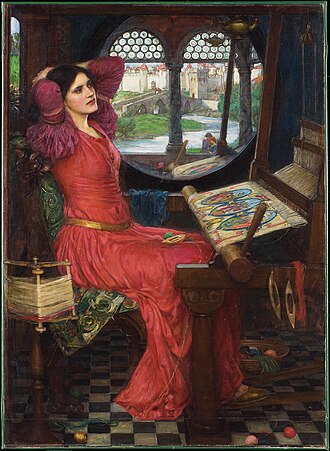 Cansada estoy de las Sombras, dijo la Dama de Shalott - John William Waterhouse (1916)
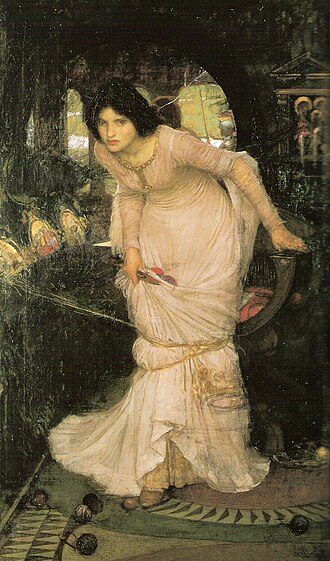 The Lady of Shalott looking at Lancelot - John William Waterhouse (1894)
Obras de artistas relacionados
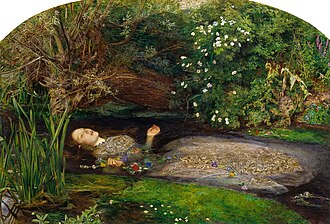 Ofelia - John Everett Millais (1851)
%20-%20Google%20Art%20Project.jpg) El Cristo en casa de sus padres - John Everett Millais (1849)
El Cristo en casa de sus padres - John Everett Millais (1849)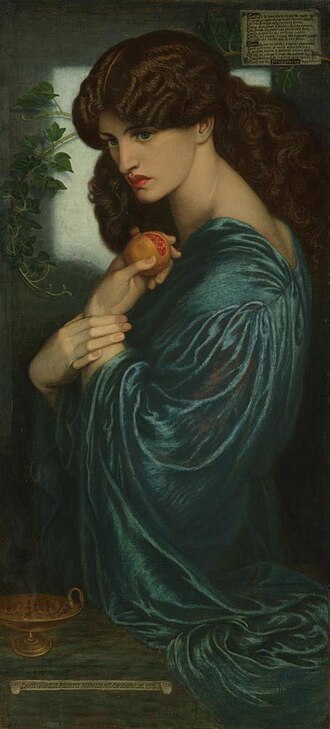 Proserpina - Dante Gabriel Rossetti (1874)
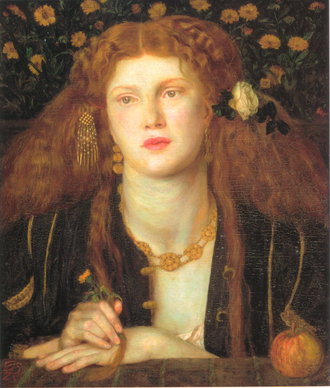 Bocca Baciata - Dante Gabriel Rossetti (1859)