Altar of Passion
Hans Holbein the Younger · 1523
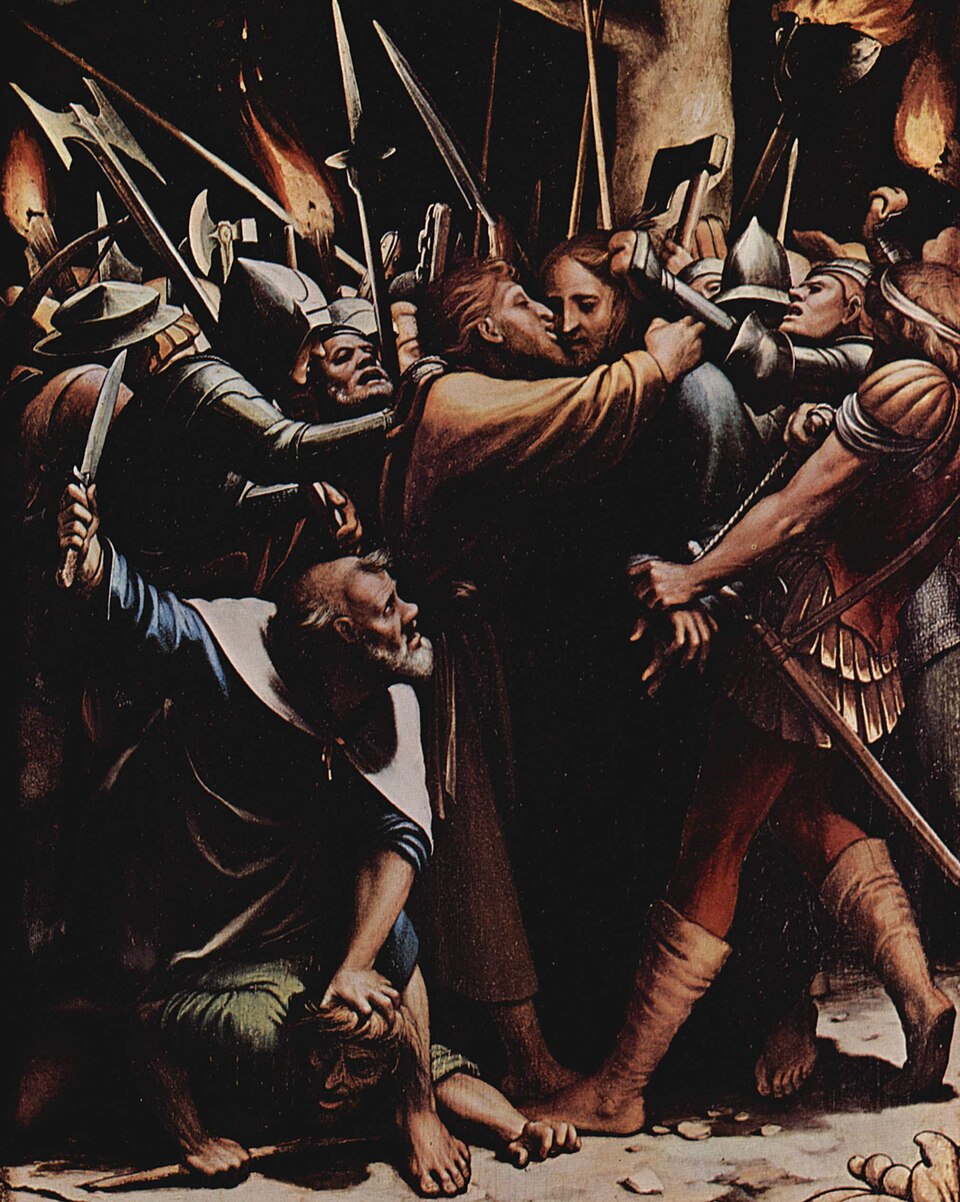
Eight narrow panels carry Christ from the garden at night to the tomb at dusk, lit by torches and darkened by clouds. For centuries Basel called them the crown of Holbein's creations, and refused to let them go.
The story behind the painting
The eight panels were never meant to stand alone. They formed the outer sides of the wings of a triptych that framed a shrine, probably with several sculptures, and the triptych was intended for the tomb of Maria Zscheckenbürlin, widow of the Basel councillor Morand von Brunn, in Basel Minster. It fitted a niche in the cloister that was uncovered in 1892 and later closed again. Probably as early as 1529 the triptych was moved to the town hall to protect it from the iconoclasm in Basel. Wikidata dates the work to 1523.
What to look for
The upper row shows, from left to right, the Mount of Olives, the arrest, the questioning before the high priest Caiaphas and the flagellation; the lower row shows the mocking, the road to Calvary, the Crucifixion and the entombment. Watch how the scenes flow into each other: the clouds of Gethsemane drift into the arrest, the torchlit crowd spills into the next panel. In the Caiaphas scene four torches throw hard shadows on the architecture. On the road to Calvary a bright pre-Alpine landscape opens, with the Titlis in the distance, before dark clouds close over the cross.
Meaning and intent
Holbein was strongly influenced here by the Grey Passion of his father, and he follows the conventional story of the Passion. Except for the road to Golgotha, every outdoor scene takes place in darkness, as the Gospels describe, and the darkness thickens until the crosses stand against a black sky. The architecture is often modelled on real places: the flagellation is set in the abbey church of Ottmarsheim. In the last panel men carry the body across a green meadow to a tomb opening in yellow rock, while Mary weeps a little apart beside a small fir tree.
Legacy
By 1642 the panels hung in the town hall chapel and were among the most famous sights of the city. In 1644 Maximilian I of Bavaria tried to buy them, but Basel refused to sell. Around 1770 or 1771 they passed by council decision to the public art collection, today the Kunstmuseum Basel. The restorer Nikolaus Grooth cleaned them and arranged the panels in their present form. From the mid 19th century critics claimed he had ruined Holbein's colour, but a technical study in 1997 by Bernd W. Lindemann found the paint carefully built up and fully rehabilitated Grooth.
Did you know?
- Eight scenes of the Passion, from the Mount of Olives to the entombment.
- Originally the outer wings of a triptych for a tomb in Basel Minster.
- Basel refused an offer from Maximilian I of Bavaria in 1644.
- Kept in the Kunstmuseum Basel.
About the artist
Hans Holbein the Younger (1497-1543)
religious art · Kunstmuseum Basel
More by Hans Holbein the Younger
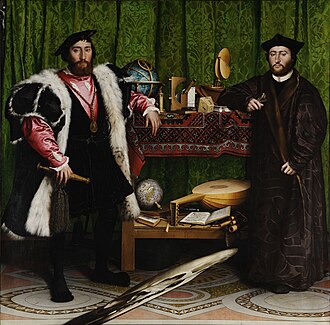 The Ambassadors - Hans Holbein the Younger (1533)
 The Body of the Dead Christ in the Tomb - Hans Holbein the Younger (1520s)
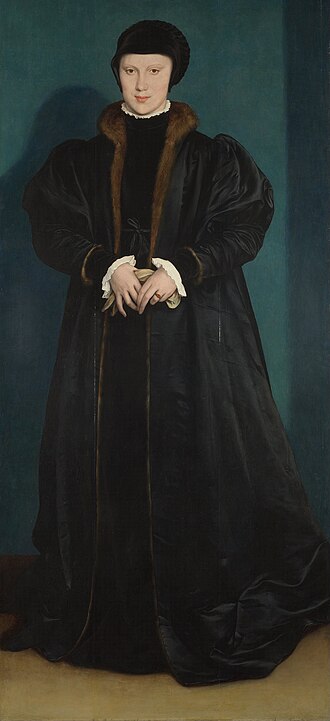 Christina of Denmark, Duchess of Milan - Hans Holbein the Younger (1538)
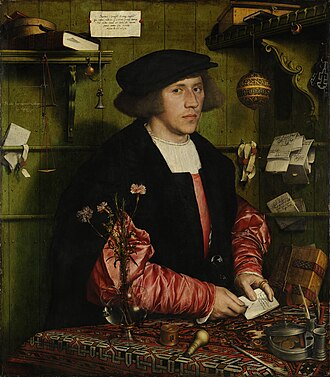 The Merchant Georg Gisze - Hans Holbein the Younger (1532)
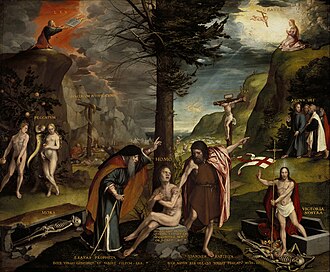 An Allegory of the Old and New Testaments - Hans Holbein the Younger (1530)
01.jpg) Thomas Cromwell - Hans Holbein the Younger (1530s)
Thomas Cromwell - Hans Holbein the Younger (1530s)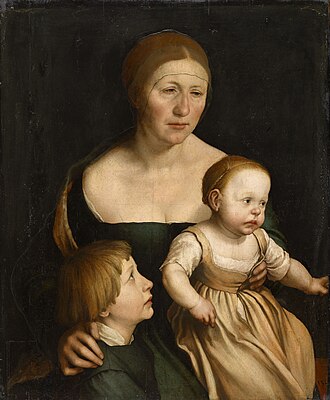 Portrait of the Artist's Family - Hans Holbein the Younger (1528)
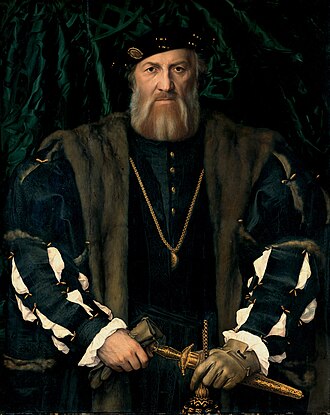 Charles de Solier, Sieur de Morette - Hans Holbein the Younger (1530s)
Paintings by related artists
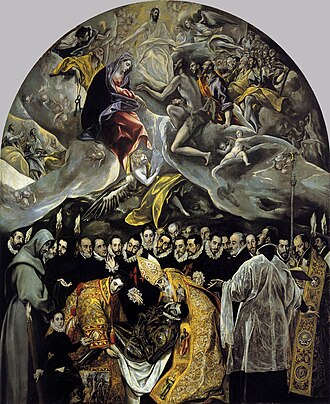 The Burial of the Count of Orgaz - El Greco (1586)
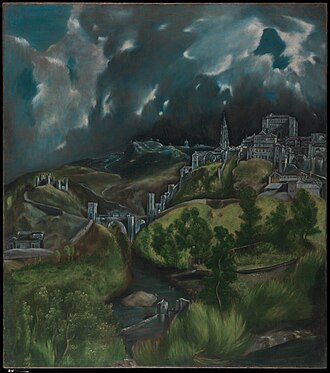 View of Toledo - El Greco (1596)
.jpg) Venus of Urbino - Titian (1538)
Venus of Urbino - Titian (1538)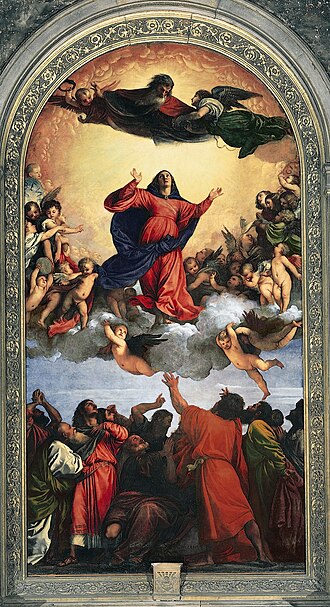 Assumption of the Virgin - Titian (1510s)
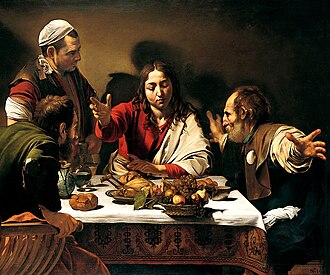 Supper at Emmaus - Caravaggio (1601)
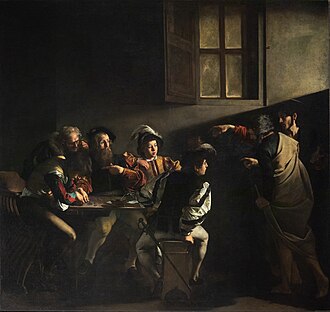 The Calling of Saint Matthew - Caravaggio (1609)