Madonna im Grünen
Raffael · 1500s
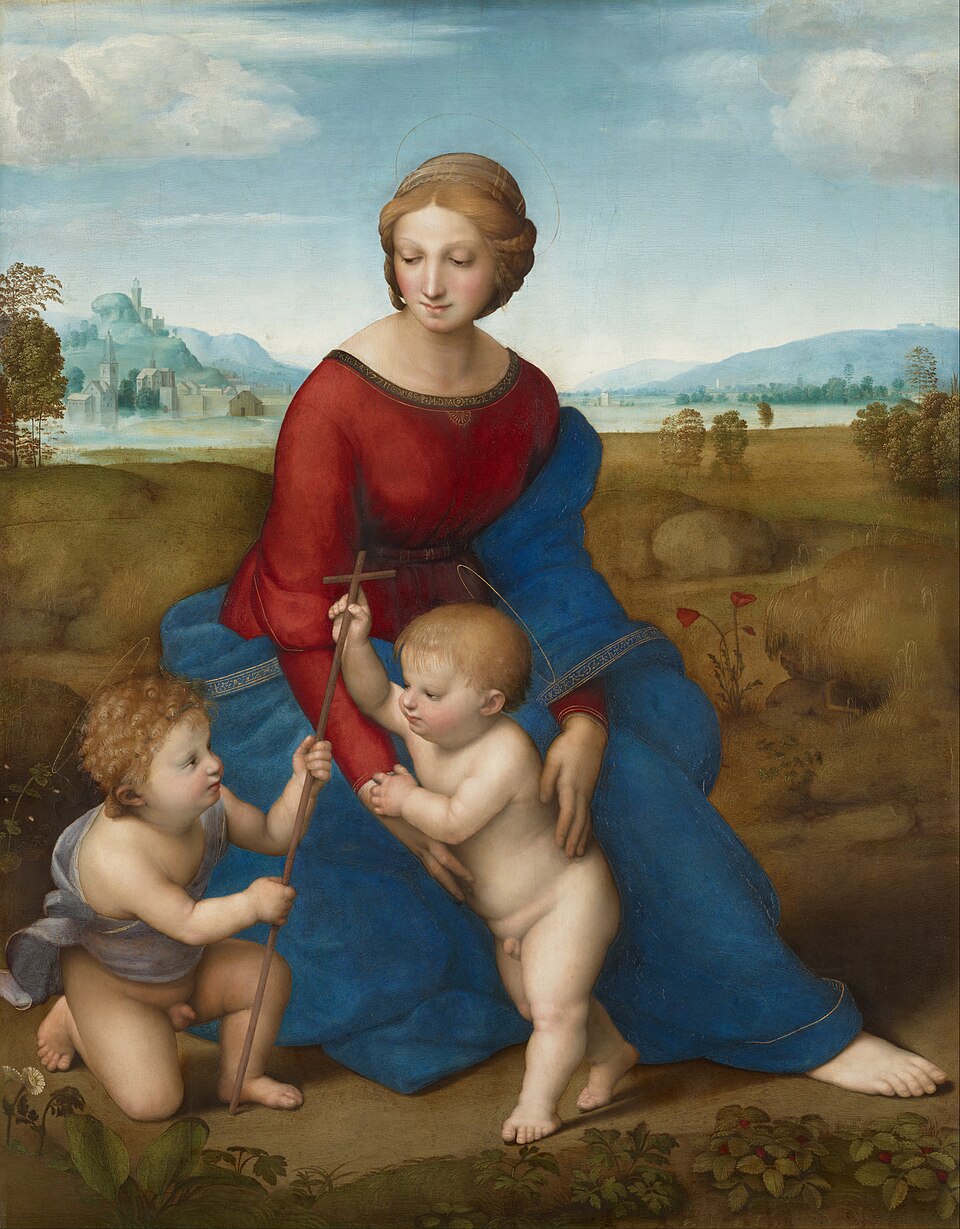
A calm meadow, a mother, and two small boys. The only disturbance is a tiny cross that one child reaches for, a hint of everything to come.
The story behind the painting
Raphael was twenty three when he painted this oil on board, in 1506, within months of arriving in Florence in 1504 to 1505. Its formal title is Madonna with the Christ Child and Saint John the Baptist, and it is also called the Madonna del Belvedere after its long stay in the imperial collection at the Belvedere in Vienna. Wikidata dates it more loosely to the 1500s. Florence was where Leonardo da Vinci was also working, and his example shaped the picture.
What to look for
The three figures form a pyramid, linked by their gazes. Mary wears a gold bordered blue mantle over a red dress, her right leg stretched along a diagonal, her eyes on John. Her hands steady the child Jesus as he leans forward unsteadily to touch the small cross held by John. Find the poppy in the grass. Behind them the meadow runs into a peaceful landscape. Restoration found that the sky was painted after the figures, its blue strokes following their outlines.
Meaning and intent
Wikipedia reads the blue as the Church and the red as Christ's death, and the touching hands as the union of Church and sacrifice. The poppy points to the Passion, death and resurrection. The scene is tender and idyllic, disturbed only by the child grabbing at the cross. Raphael borrowed the pyramid form from Leonardo, as seen in the Virgin of the Rocks, and the serene result was so admired that it helped bring him a papal commission for frescoes in the Vatican.
Legacy
In 1983 the museum's chief conservator of paintings removed old retouching and varnish. The work revealed translucent oil glazes over opaque underpaint, like the Small Cowper Madonna, and a wide craquelure in the blue robe caused by uneven drying. Infrared examination showed a precise underdrawing transferred onto the panel. A red chalk study for the composition, one of many preparatory drawings, is in the Metropolitan Museum of Art. The painting itself remains in the Kunsthistorisches Museum in Vienna.
Schon gewusst?
- Painted in 1506, when Raphael was twenty three.
- Also called the Madonna del Belvedere.
- A pyramid composition learned from Leonardo.
- Restored in 1983; now in Vienna.
Über den Künstler
Raffael (1483-1520)
religiöse Kunst · Frau · Maria · Jesuskind · Hochrenaissance · Junge · Mutter · Kunsthistorisches Museum Wien · Madonna mit Kind
Mehr von Raffael
 Sixtinische Madonna - Raphael (1510s)
 La Fornarina - Raphael
 Madonna mit dem Stieglitz - Raphael (1500s)
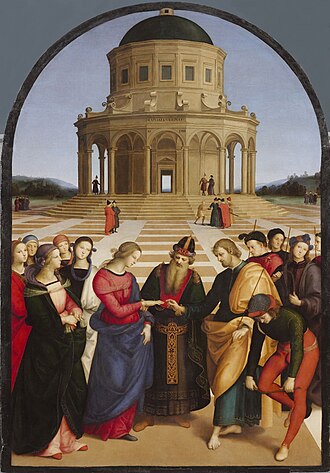 Vermählung Mariä - Raphael (1504)
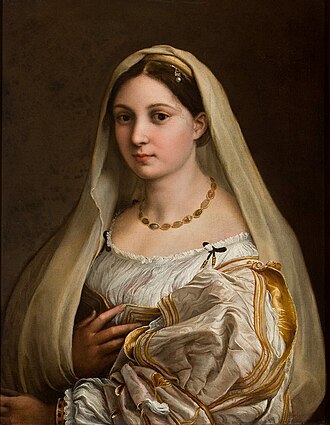 Porträt einer Frau - Raphael (1510s)
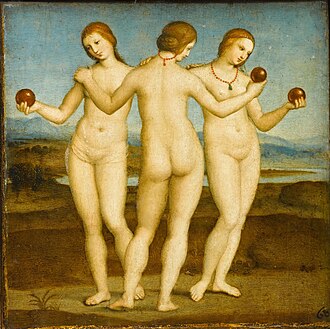 Die drei Grazien - Raphael (1504)
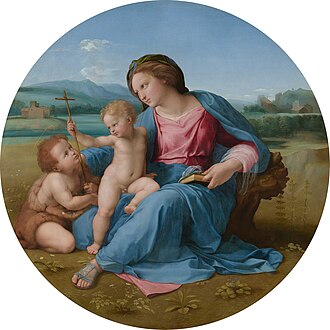 Madonna Alba, Szene: Maria mit Christuskind und Johannes dem Täufer, Tondo - Raphael (1510)
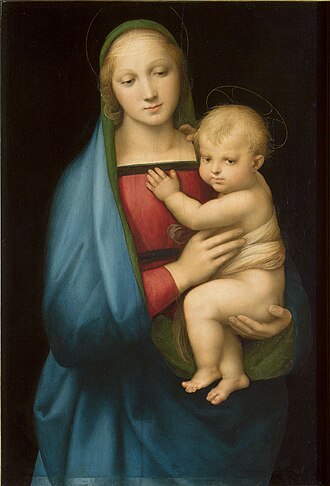 Madonna del Granduca - Raphael (1500s)
Werke verwandter Künstler
 Venus von Urbino - Titian (1538)
 Mariä Himmelfahrt - Titian (1510s)
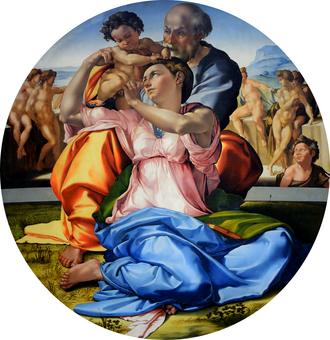 Tondo Doni - Michelangelo (1500s)
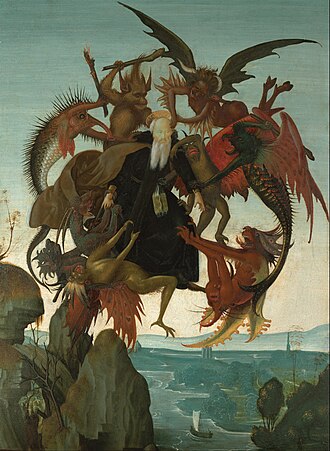 Die Versuchung des Hl. Antonius - Michelangelo (1487)
 Mona Lisa - Leonardo da Vinci (1503-1519)
 Dame mit dem Hermelin - Leonardo da Vinci (1490)
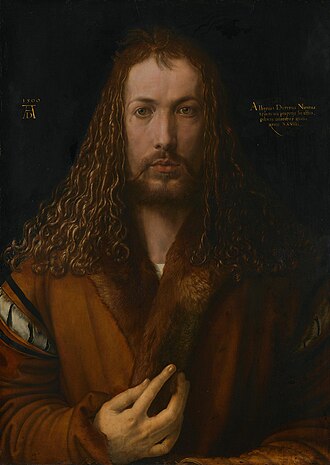 Selbstbildnis im Pelzrock - Albrecht Dürer (1500)
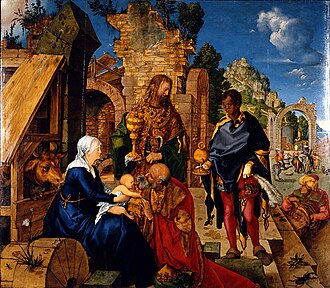 Anbetung der Könige - Albrecht Dürer (1504)
 Die Geburt der Venus - Sandro Botticelli (c. 1485)
 Primavera - Sandro Botticelli (1480s)
 Der Garten der Lüste - Hieronymus Bosch
 Das Narrenschiff - Hieronymus Bosch (1500s)