Monna Rosa
Dante Gabriel Rossetti · 1867
.jpg)
A woman in white and gold cuts a rose for her hair, a peacock screen behind her and a blue and white pot at her side. Rossetti painted Frances Leyland, and kept making the canvas bigger.
The story behind the painting
Monna Rosa is the title of two oil paintings by Dante Gabriel Rossetti, both portraits of Frances Leyland, wife of the shipping magnate Frederick Richards Leyland, a regular patron of the artist. The earlier, smaller version of 1862 is lost. This is the second, completed in 1867 and now in a private collection. On 18 June 1867 Rossetti wrote to Leyland that the picture was much advanced and much altered, as he had again enlarged it. To begin a fresco as a pocket miniature, he joked, seemed to be his rule in art.
What to look for
In the same letter Rossetti explained that he had given the figure a flowing white and gold drapery, which suited the head perfectly. The lady, richly dressed, is cutting a rose to put in her hair. Red and gold pick out the roses, her dress, jewellery and hair, the flower pot and the peacock screen behind her. Look for the scarf studded with peacock feathers and the blue and white pot in the hawthorn pattern Rossetti loved. The canvas measures about 68.6 by 53.3 cm.
Meaning and intent
Rossetti took the title again and added lines from Poliziano: with a mantle of gold, necklace and rings, she likes to have with them nothing but a rose in her hair. Writers have disagreed about its weight. In 1904 Henry Currie Marillier called it a small but pretty picture and a study in beautiful colour. Linda Merrill saw it as more a costume picture than a portrait, with props for the theme of purposeless beauty. Jessica Feldman stressed the blue and white pot, which she said has become the emblem of aestheticism itself.
Legacy
Monna Rosa was among the first of eighteen paintings Leyland commissioned from Rossetti. Rossetti asked for it back for reworking and finished it on 3 December 1873 at Kelmscott. Around this time he introduced James McNeill Whistler to Leyland, and the peacock background and Chinese porcelain anticipate the Peacock Room Whistler later created for him. Leyland hung the painting in his drawing room with five other Rossetti stunners, beside works such as Mnemosyne, The Blessed Damozel and Proserpine.
Lo sapevi?
- Portrait of Frances Leyland, completed 1867.
- An earlier, smaller 1862 version is lost.
- Rossetti reworked it and finished on 3 December 1873.
- Its peacock and porcelain motifs anticipate Whistler's Peacock Room.
L'artista
Dante Gabriel Rossetti (1828-1882)
portrait · Pre-Raphaelite Brotherhood · flower
Altre opere di Dante Gabriel Rossetti
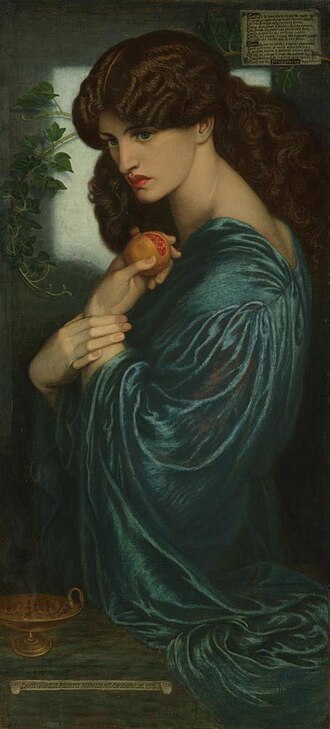 Proserpine - Dante Gabriel Rossetti (1874)
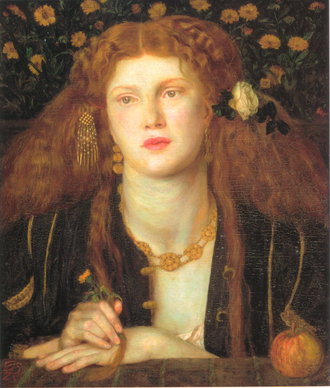 Bocca Baciata - Dante Gabriel Rossetti (1859)
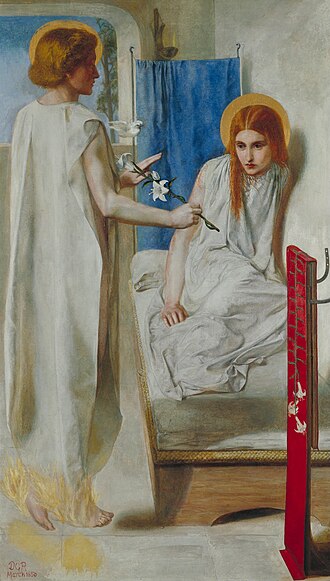 Ecce Ancilla Domini - Dante Gabriel Rossetti (1850)
.jpg) Dante's Dream - Dante Gabriel Rossetti (1871)
Dante's Dream - Dante Gabriel Rossetti (1871)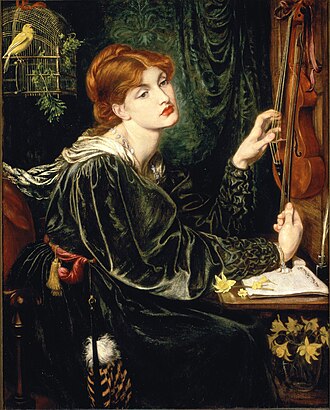 Veronica Veronese - Dante Gabriel Rossetti (1872)
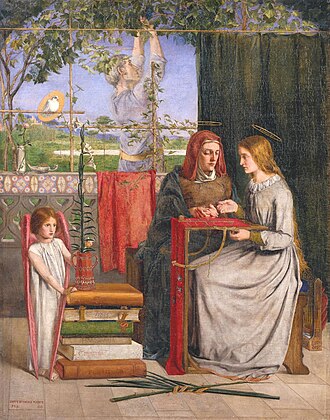 The Girlhood of Mary Virgin - Dante Gabriel Rossetti (1840s)
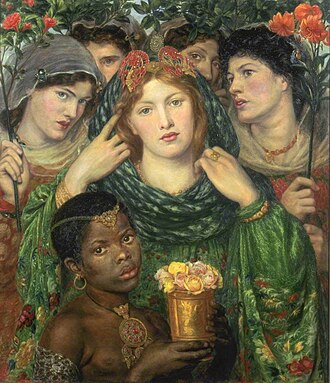 The Beloved - Dante Gabriel Rossetti (1865)
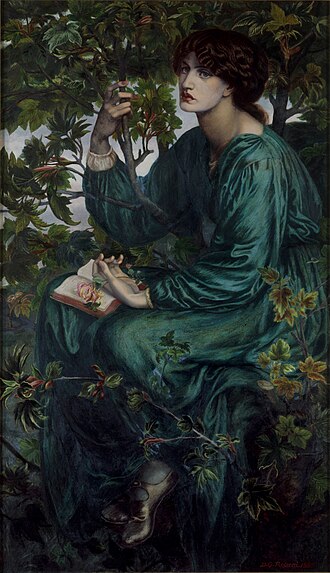 The Day Dream - Dante Gabriel Rossetti (1880)
Dipinti di artisti collegati
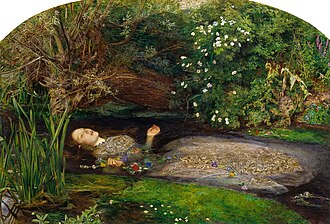 Ophelia - John Everett Millais (1851)
%20-%20Google%20Art%20Project.jpg) Christ in the House of His Parents - John Everett Millais (1849)
Christ in the House of His Parents - John Everett Millais (1849) Hylas and the Nymphs - John William Waterhouse (1896)
.jpg) The Lady of Shalott - John William Waterhouse (1888)
The Lady of Shalott - John William Waterhouse (1888)