Circe Invidiosa
John William Waterhouse · 1892
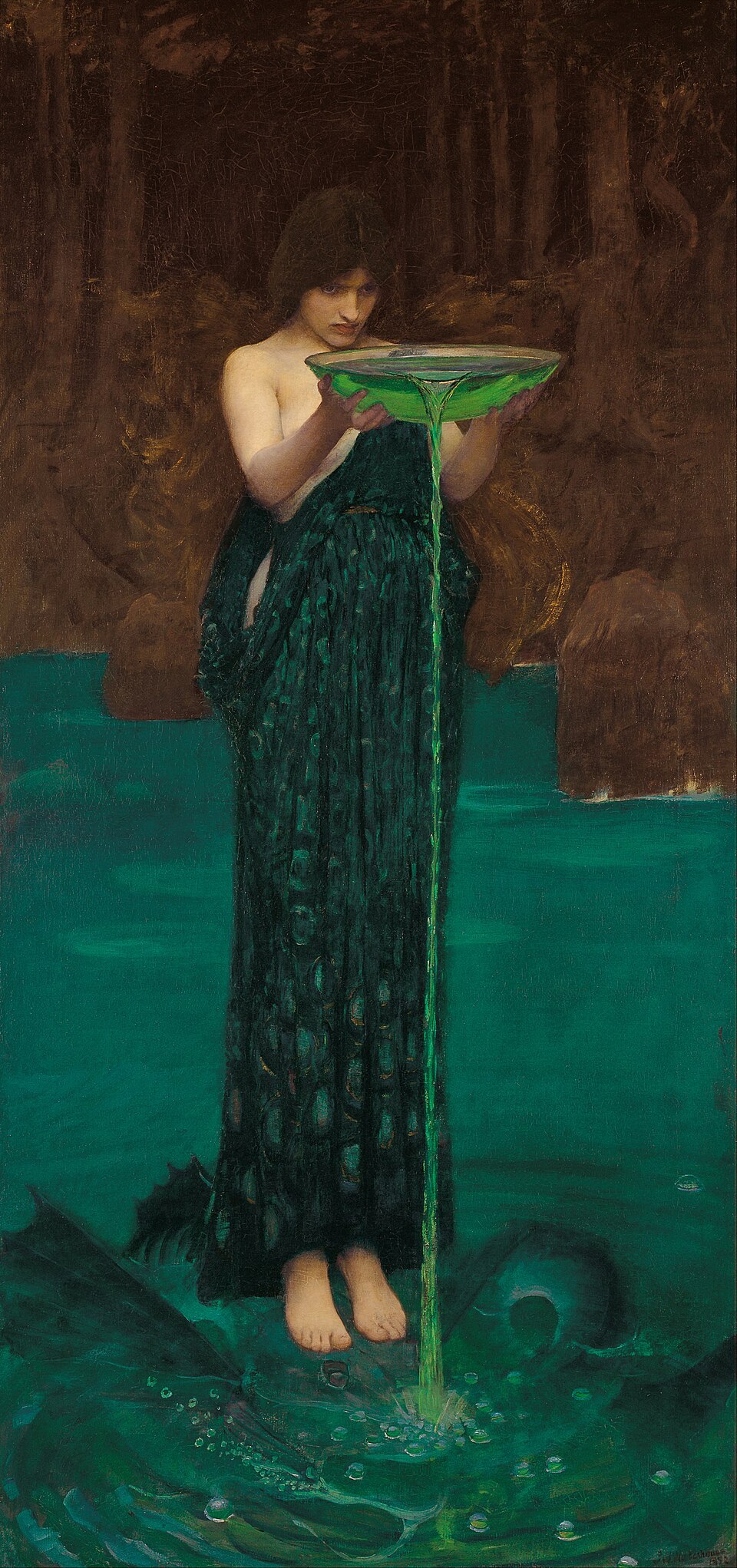
A sorceress hovers over a cove, pouring bright green poison into the water, while beneath her feet a rival is already turning into a monster. Waterhouse painted Circe's jealousy in deep greens and blues like stained glass.
The story behind the painting
Waterhouse completed Circe Invidiosa, Jealous Circe, in 1892. It was his second painting of the enchantress, after Circe Offering the Cup to Ulysses of 1891, and he returned to her a third time with The Sorceress in 1911. The subject comes from Book XIV of Ovid's Metamorphoses. The sea god Glaucus loved the nymph Scylla and scorned Circe's advances, so Circe in her jealousy poisoned the cove where Scylla bathed and turned her into a sea monster. Waterhouse based the picture on lines 52 to 65 of the poem.
What to look for
Circe floats over the water of the cove, pouring a bright green poison into the pool below. Under her feet, the barking shapes of Scylla's transformation already swirl in the bubbling depths, so the change is well under way. Yet neither Scylla's human form nor her monstrous one is the focus. What rules the scene is Circe's grave face and her almost tangible jealousy, with vivid colours swirling around her figure. The tall canvas, about 180.7 by 87.4 cm, lets her rise above the water like an apparition. Look at the deep greens and blues that Gleeson White compared to stained glass or jewels.
Meaning and intent
Anthony Hobson saw the painting as invested with an aura of menace, linked to its powerful colour scheme. Judith Yarnall praised its integrity of line, and said that Waterhouse's first two Circes, taken together, raise the question whether she is goddess or woman. The picture shows Waterhouse exploring the femme fatale, a figure everywhere in late nineteenth-century art. But Chris Woods argues that his Circes are not wholly evil, unlike the mythological women of Gustave Moreau and other Symbolists. Here Circe becomes tragic: she cannot help what she is doing, and rather regrets it.
Legacy
Circe Invidiosa belongs to the Art Gallery of South Australia in Adelaide, which also owns Waterhouse's The Favourites of the Emperor Honorius of 1883. It stands at the centre of his three treatments of Circe, between the confident enchantress offering the cup to Ulysses and the later Sorceress. As a homage to Ovid that turns the classical text in an imaginative and poetic direction, it shows how Waterhouse made old myths speak about feelings his viewers recognised, here the bitterness of love refused.
Lo sapevi?
- Completed by John William Waterhouse in 1892.
- Based on Book XIV of Ovid's Metamorphoses.
- His second of three paintings of Circe.
- In the Art Gallery of South Australia, Adelaide.
L'artista
John William Waterhouse (1849-1917)
mythological painting · Pre-Raphaelite Brotherhood
Altre opere di John William Waterhouse
 Hylas and the Nymphs - John William Waterhouse (1896)
.jpg) The Lady of Shalott - John William Waterhouse (1888)
The Lady of Shalott - John William Waterhouse (1888) Echo and Narcissus - John William Waterhouse (1903)
 Saint Eulalia - John William Waterhouse (1885)
.jpg) Ulysses and the Sirens - John William Waterhouse (1891)
Ulysses and the Sirens - John William Waterhouse (1891)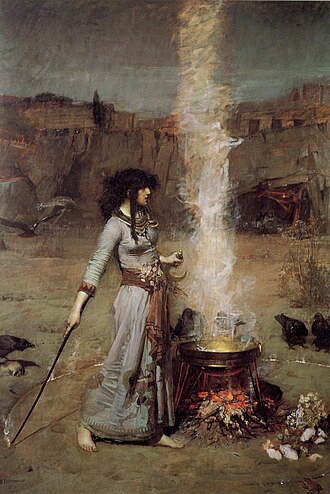 The Magic Circle - John William Waterhouse (1886)
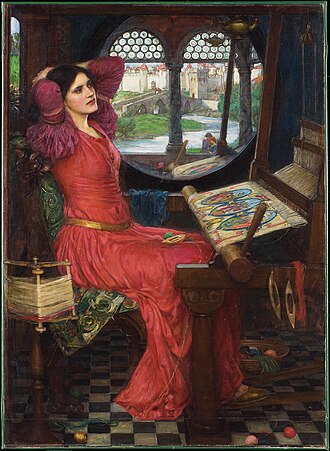 "I am half sick of shadows" said the Lady of Shalott - John William Waterhouse (1916)
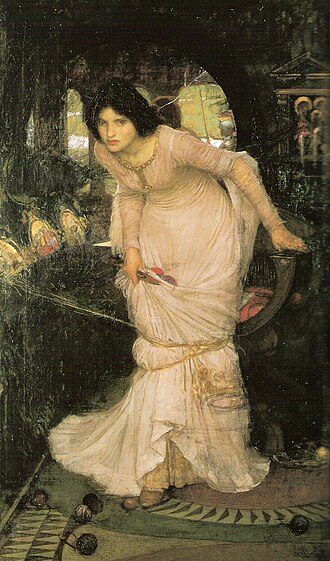 The Lady of Shalott looking at Lancelot - John William Waterhouse (1894)
Dipinti di artisti collegati
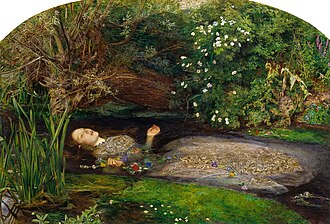 Ophelia - John Everett Millais (1851)
%20-%20Google%20Art%20Project.jpg) Christ in the House of His Parents - John Everett Millais (1849)
Christ in the House of His Parents - John Everett Millais (1849)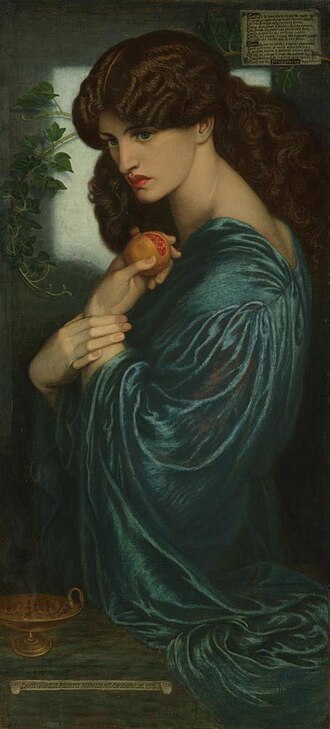 Proserpine - Dante Gabriel Rossetti (1874)
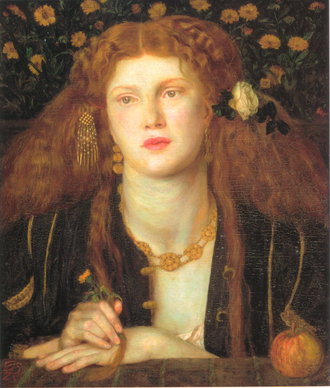 Bocca Baciata - Dante Gabriel Rossetti (1859)