Le Marchand Georg Gisze
Hans Holbein the Younger · 1532
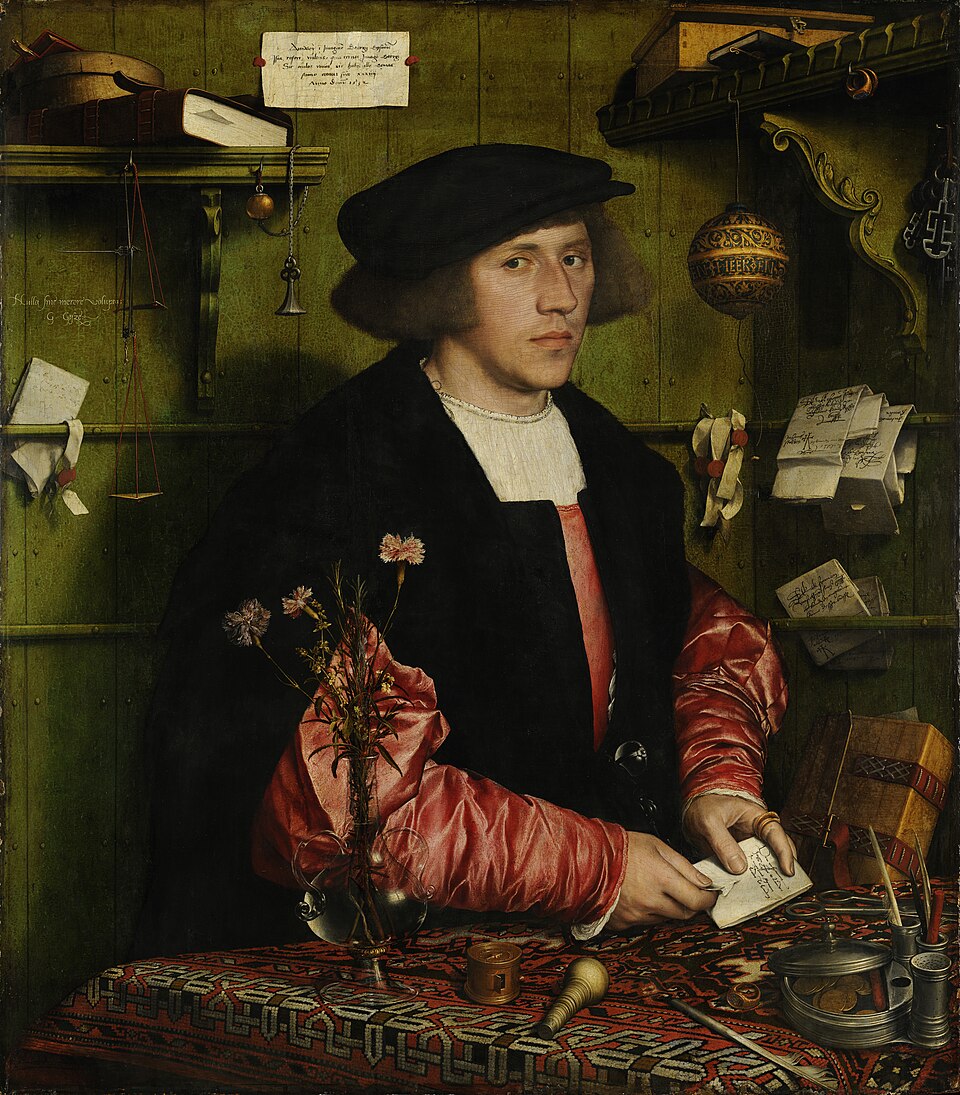
A young merchant in a London office looks up from a letter, surrounded by seals, scales, a clock and a vase of carnations. Holbein painted Georg Giese in 1532, and every object on the desk tells part of his life.
The story behind the painting
Georg Giese was born in Danzig, now Gdańsk, in 1497, a younger son of a wealthy merchant family whose father was mayor of the city. His brother Tiedemann became Bishop of Culm. For at least twelve years in the 1520s and 1530s he worked at the family branch in London's Steelyard, the walled riverside enclave near London Bridge where Hanseatic merchants lived, traded and enjoyed tax privileges. In 1532 Holbein, just back in England, painted him; scholars generally agree it was his first portrait after his return. It opened a series of eight Steelyard merchants painted between 1532 and 1536.
What to look for
Giese stands at his desk opening a letter. Above his head a plaque gives his name and says he is in his 34th year, in 1532. The letter in his hand, in Middle Low German, is addressed to the honourable Jorgen Gisze at London in England, from his brother. Around him are more letters and sealing strips, with his name spelled Georg Gisze, Georg Giese and Georg Gyse, a clock, his family's merchant seals, and a glass vase holding carnations, rosemary and basil. On the wall is his motto: Nulla sine merore voluptas, no joy without sorrow. The canvas measures about 96 by 86 cm.
Meaning and intent
According to a summary of the symbols by Holman, the carnations were a traditional sign of engagement, and Giese may indeed have been engaged when he sat. Rosemary speaks of friendship or remembrance, and basil of protection from disease, perhaps a nod to plague in the city. The clock reminds us that time passes, and that a merchant's time is valuable. The many letters in different languages suggest a network of trading partners across Northern Europe. The portrait as a whole shows the rise of a new merchant class, trading on a large scale over long distances and now confident enough to commission art.
Legacy
Three years after the portrait, Giese went home to Danzig to marry Christine Krüger, daughter of a prominent merchant and granddaughter of the mayor of Thorn. He died in February 1562. The painting is now in the Gemäldegalerie in Berlin, which Wikidata links to the Solly Collection. Its fame reached far beyond the museum: in 1923 Giese's portrait appeared on a banknote. The title varies with the spelling of the name; Wikidata calls it The Merchant Georg Gisze, using one of the spellings that appear in the painting itself.
Le saviez-vous ?
- Painted in London in 1532 by Hans Holbein the Younger.
- Giese was a Hanseatic merchant from Danzig, aged 34.
- His motto reads: no joy without sorrow.
- Now in the Gemäldegalerie, Berlin.
À propos de l'artiste
Hans Holbein the Younger (1497-1543)
Autres œuvres de Hans Holbein the Younger
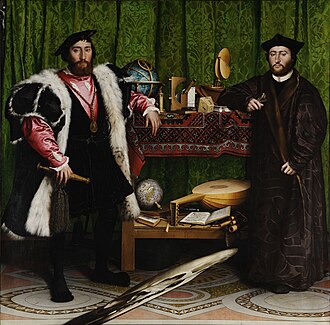 Les Ambassadeurs - Hans Holbein the Younger (1533)
 Le Christ mort - Hans Holbein the Younger (1520s)
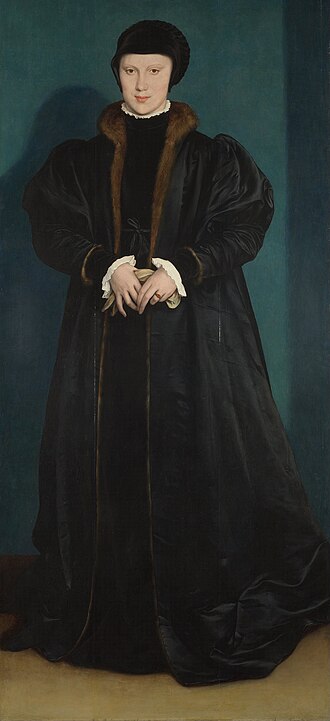 Portrait de Christine de Danemark - Hans Holbein the Younger (1538)
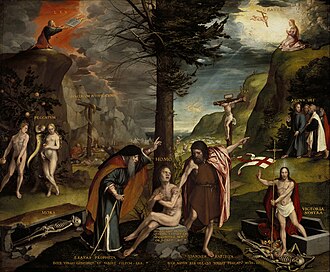 An Allegory of the Old and New Testaments - Hans Holbein the Younger (1530)
01.jpg) Portrait de Thomas Cromwell - Hans Holbein the Younger (1530s)
Portrait de Thomas Cromwell - Hans Holbein the Younger (1530s)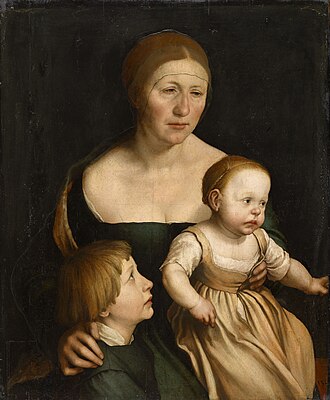 Portrait of the Artist's Family - Hans Holbein the Younger (1528)
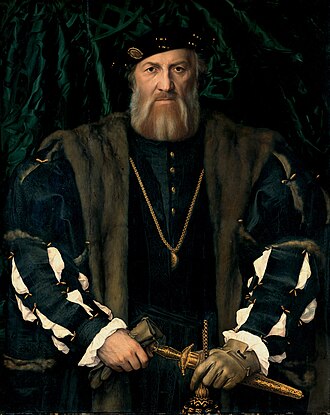 Charles de Solier, Sieur de Morette - Hans Holbein the Younger (1530s)
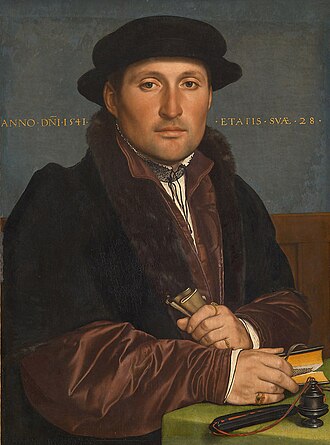 Portrait of a Young Merchant - Hans Holbein the Younger (1541)
Œuvres d'artistes liés
 L'Enterrement du comte d'Orgaz - El Greco (1586)
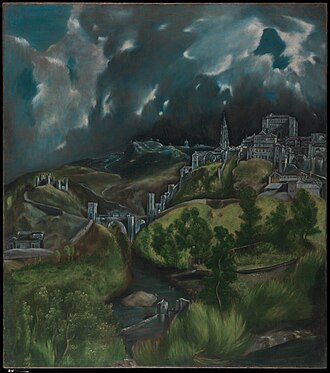 Vue de Tolède - El Greco (1596)
.jpg) Vénus d'Urbin - Titian (1538)
Vénus d'Urbin - Titian (1538)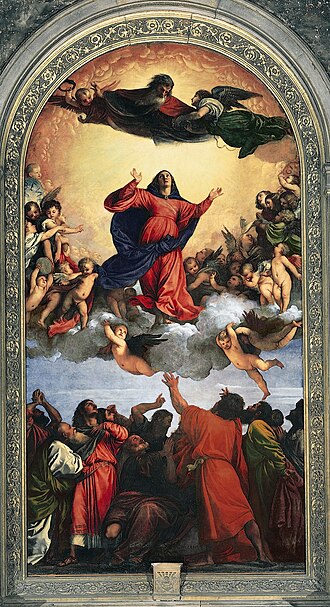 L'Assomption de la Vierge - Titian (1510s)
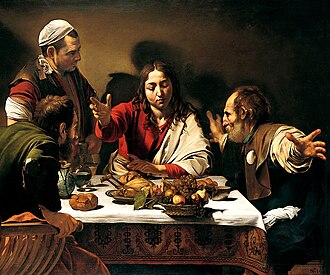 Le Souper à Emmaüs - Caravaggio (1601)
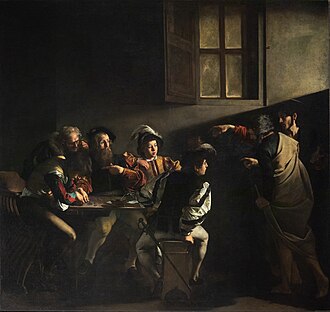 La Vocation de saint Matthieu - Caravaggio (1609)