El regreso de la paloma al Arca
John Everett Millais · 1851
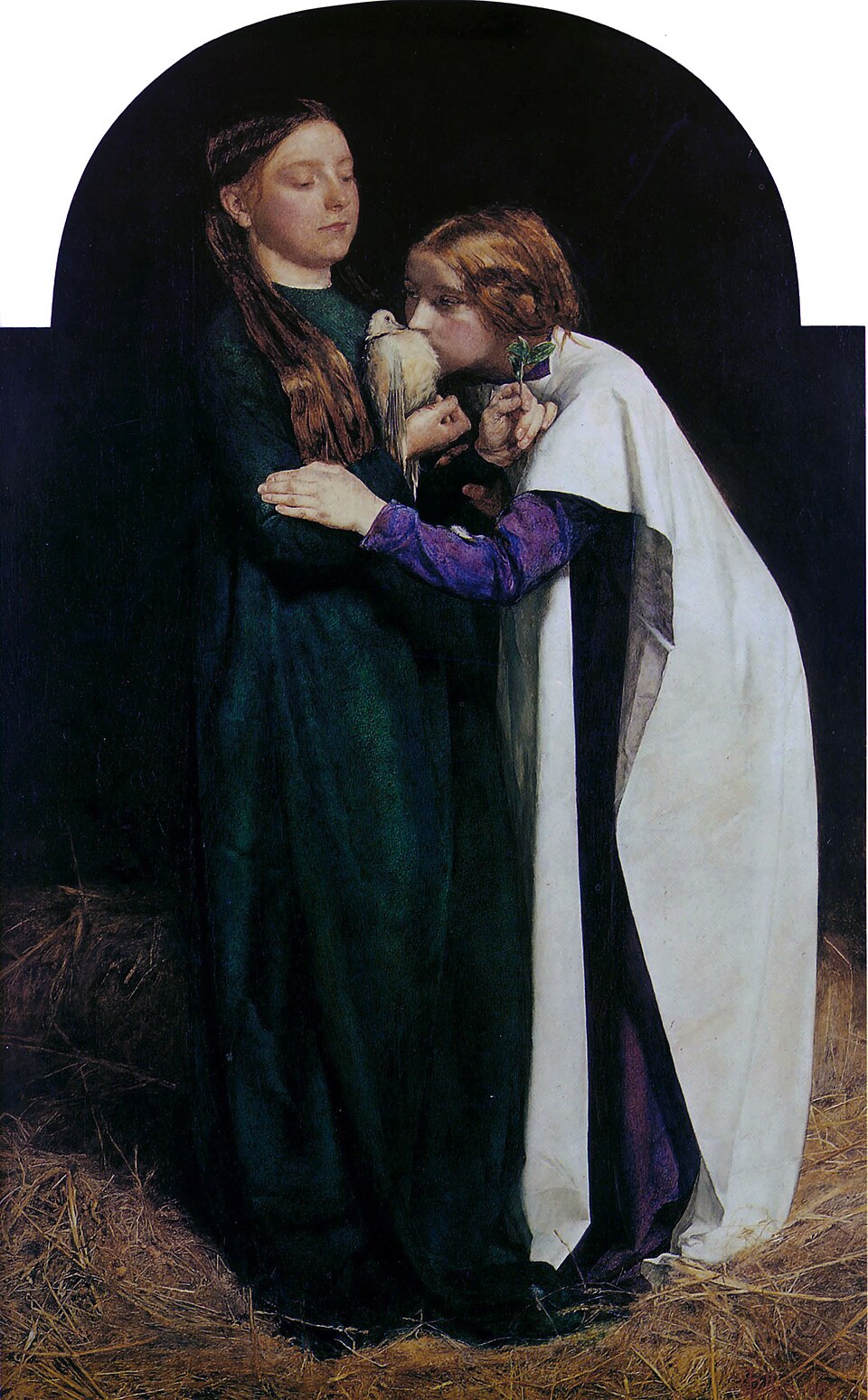
Two young women in the dim straw of Noah's Ark hold the dove that has just come back with an olive branch. The flood is ending. Millais painted this quiet moment in 1851, and Ruskin wanted to buy it the moment he saw it.
The story behind the painting
The painting takes its scene from the Bible story of the flood. Two of Noah's daughters-in-law care for the dove that has returned to the Ark carrying an olive branch, the sign that the waters are going down. Millais first planned a busier picture, with Noah himself and several animals in the background. In the end he left them out, probably because he wanted to have the painting ready in time for the Royal Academy exhibition of 1851. He also had some intention of painting a companion piece called The Dove's First Flight, but he never did. The work was completed in 1851.
What to look for
With Noah and the animals gone, everything rests on the two women and the bird. One holds the dove close against her body while the other bends towards it, and the olive branch, so small, carries the whole meaning of the story. The canvas is tall and narrow, about 88 by 55 cm, which keeps the figures close and still, as if we were standing beside them inside the Ark. Wikidata's list of what the painting shows is simple and telling: a dove, two standing women, long fair hair, a dress, Noah's Ark. It is a painting of care and quiet hope rather than drama.
Meaning and intent
Millais meant a Bible scene, but some viewers saw more. When the picture went on show at the Royal Academy in April 1851, he was surprised to learn that some Roman Catholics read it as an allegory of England returning to the true faith. The painting was praised by the critic John Ruskin and by the French writer Théophile Gautier, among others. For many people the dove with its olive branch remains a simple image of peace after disaster, and Millais' choice to strip the scene down to two gentle figures leaves that hope very clear.
Legacy
Ruskin was so taken with the painting that he wanted to buy it when he first saw it, but it had already been sold to Thomas Combe, superintendent of the Clarendon Press in Oxford, who owned many other Pre-Raphaelite works. It passed to the Ashmolean Museum in Oxford with the Combe Bequest in 1893, where it still hangs. In 1855 the French satirical magazine Journal pour rire printed a cartoon by Bertall parodying it. In 2020 the image even appeared on the cover of ULTRACLUB4K, an electronic dance music EP by døves and Wicca Phase Springs Eternal.
¿Sabías que…?
- Completed in 1851 and shown at the Royal Academy that April.
- Noah and the animals were left out to finish in time.
- Ruskin wanted to buy it, but Thomas Combe already had.
- In the Ashmolean Museum, Oxford, since 1893.
Sobre el artista
John Everett Millais (1829-1896)
arte religioso · mujer · melena · vestido · de pie · Hermandad Prerrafaelita · rubio · museo Ashmolean
Más obras de John Everett Millais
 Ofelia - John Everett Millais (1851)
 El Cristo en casa de sus padres - John Everett Millais (1849)
 Isabella - John Everett Millais (1849)
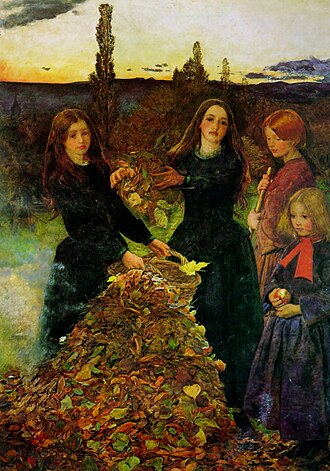 Hojas de otoño - John Everett Millais (1856)
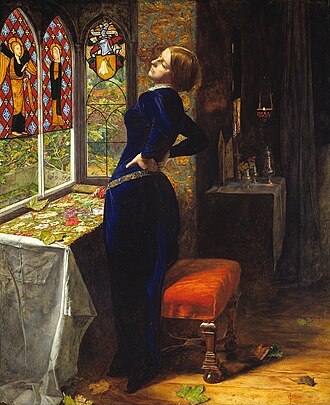 Mariana - John Everett Millais (1851)
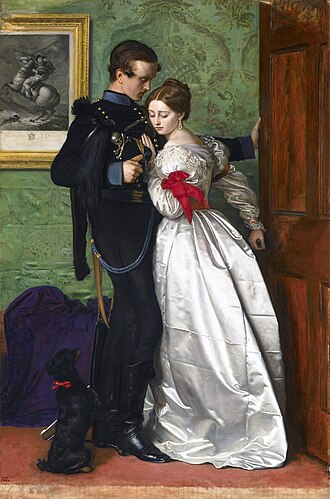 El brunswicker negro - John Everett Millais (1860)
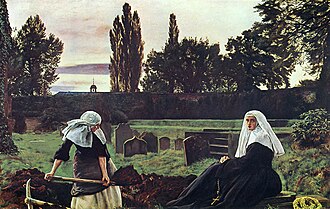 El valle del descanso - John Everett Millais (1850s)
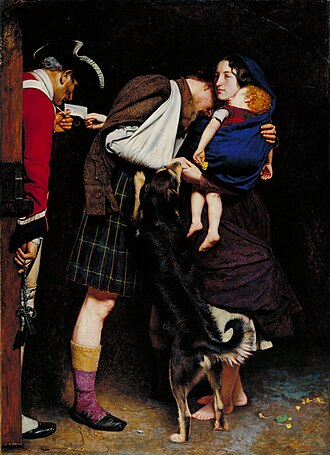 The Order of Release - John Everett Millais (1850s)
Obras de artistas relacionados
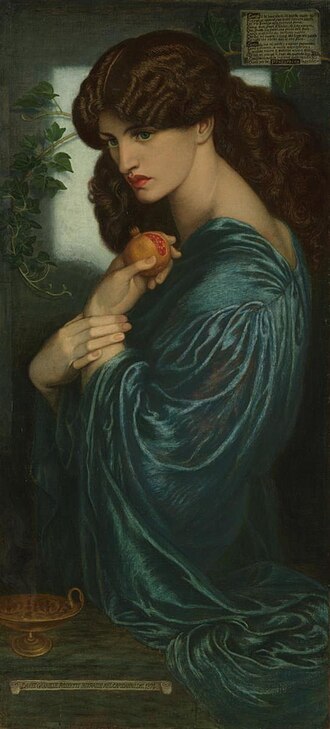 Proserpina - Dante Gabriel Rossetti (1874)
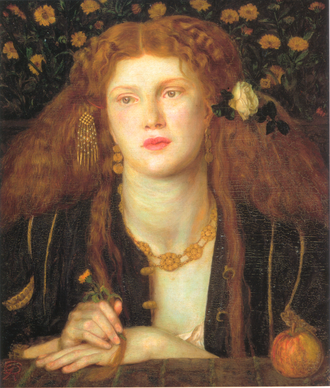 Bocca Baciata - Dante Gabriel Rossetti (1859)
 hilas y las ninfas - John William Waterhouse (1896)
 La señora de Shalott - John William Waterhouse (1888)