La incredulidad de santo Tomás
Caravaggio · 1600s
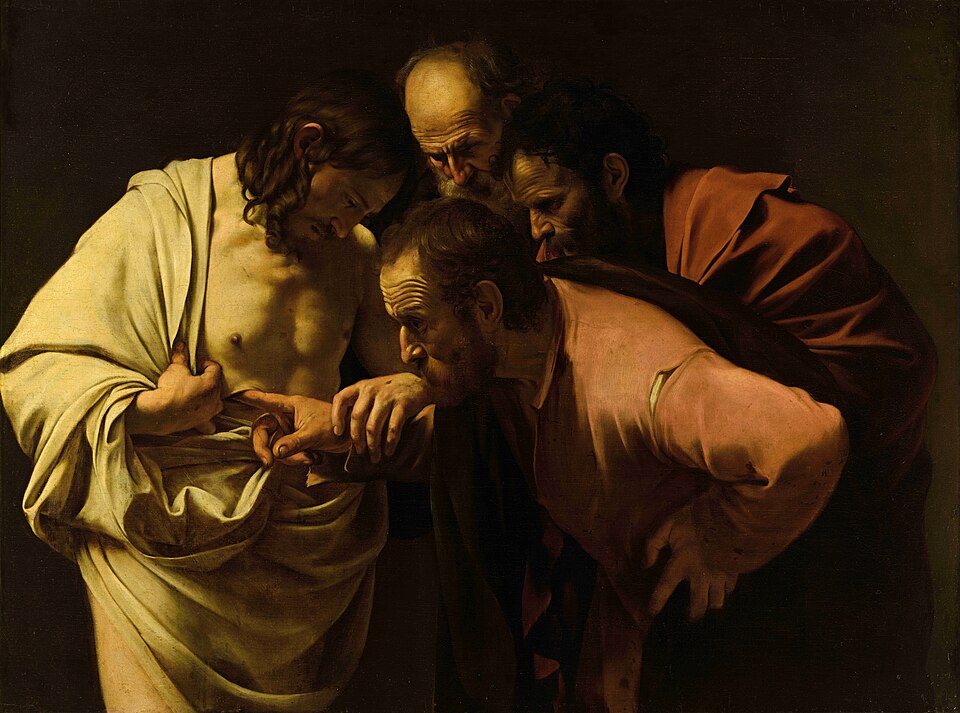
A doubting man's finger slides into a wound, and the risen Christ is the one guiding his hand. Caravaggio pulls four heads so close together that we seem to lean in with them.
The story behind the painting
The Incredulity of Saint Thomas was painted around 1601-1602 for Vincenzo Giustiniani, as Giovanni Pietro Bellori recorded; Wikidata dates it simply to the 1600s. In 1606 Giustiniani mentioned the subject in a copy in Genoa, and twenty years later the painting appeared in the inventory of his collection. The inventory of 1638 places it above a door in a great room of old pictures, in a black frame worked with gold. After the Giustiniani collection was dispersed, the work went to Prussia, was bought by the state in 1816, hung at Charlottenburg Palace and later at the Sanssouci Picture Gallery in Potsdam. It survived the Second World War unscathed.
What to look for
Four figures crowd a dark, neutral background in a horizontal canvas. Thomas, dressed like a peasant in a robe torn at the shoulder, with dirt under his fingernails, puts his finger into Christ's side while Christ holds his hand and guides it. Behind Thomas lean two more apostles, probably Peter and John. Light from the left falls on Christ's forehead, profile and side, stressing his physical body; there is no halo. The shadows that sweep over Thomas, the source suggests, stand for doubt, and as he touches Christ he is drawn into the light. The backs of Thomas and Christ form an arch that binds the group together.
Meaning and intent
The scene comes from the Gospel of John: Thomas missed an appearance of the risen Jesus and said he would not believe unless he touched the wounds. A week later Jesus told him to touch and stop doubting, adding that those who believe without seeing are blessed. The episode gave rise to the phrase Doubting Thomas. Caravaggio makes the viewer part of the event, so that we feel its intensity directly. The close triangle of gazes, all focused on one gesture, concentrates the drama on what the source calls the revelation of Christ's real presence in the flesh.
Legacy
Painters came to Rome, especially from the Netherlands, to study Caravaggio. The source notes that Rembrandt, who never visited Italy, knew his manner through the Utrecht Caravaggisti, and that his radical realism and use of light are hard to imagine without Caravaggio's example. Rubens was deeply impressed too. Among others influenced were Orazio and Artemisia Gentileschi, Bartolomeo Manfredi, Georges de La Tour and Jusepe de Ribera, and traces appear in Vermeer, Velazquez and Zurbaran. The picture is also linked to Saint Matthew and the Angel and the Sacrifice of Isaac, which appear to share a model.
¿Sabías que…?
- Painted for Vincenzo Giustiniani, c. 1601-1602 (Wikidata: 1600s).
- Bought by the Prussian state in 1816.
- Survived the Second World War intact; now at Sanssouci Picture Gallery, Potsdam.
- Canvas size 107 x 146 cm (Wikidata).
Sobre el artista
Caravaggio (1571-1610)
arte religioso · Pintura barroca de Italia · Jesús de Nazaret
Más obras de Caravaggio
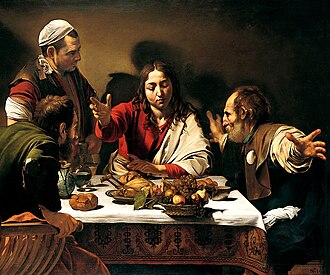 La cena de Emaús - Caravaggio (1601)
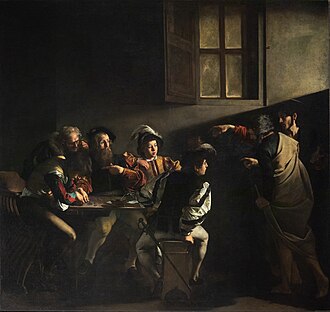 La vocación de San Mateo - Caravaggio (1609)
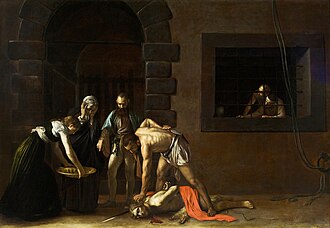 La decapitación de San Juan Bautista - Caravaggio (1608)
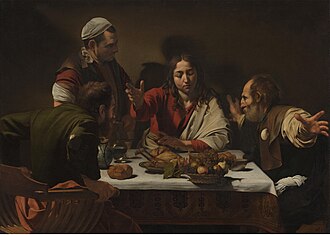 Los discípulos de Emaús - Caravaggio (1601)
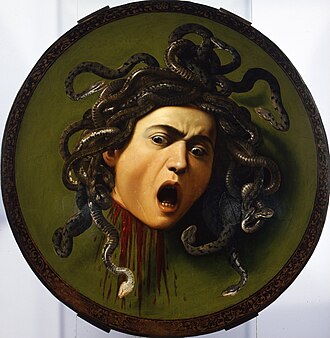 Cabeza de Medusa - Caravaggio (1597)
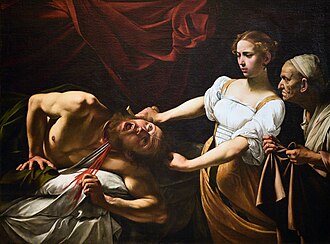 Judit decapitando a Holofernes - Caravaggio (1598)
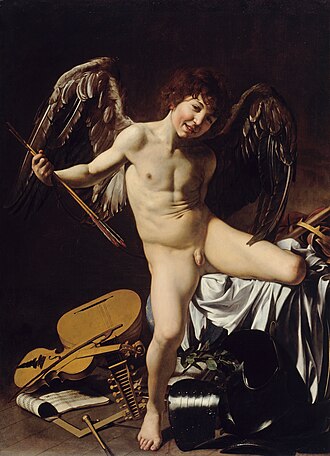 El amor victorioso - Caravaggio (1600s)
%2C%201595%20circa%2C%20534.jpg) Baco enfermo - Caravaggio (1595)
Baco enfermo - Caravaggio (1595)
Obras de artistas relacionados
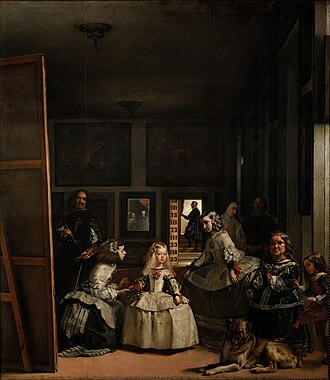 Las meninas - Diego Velázquez (1656)
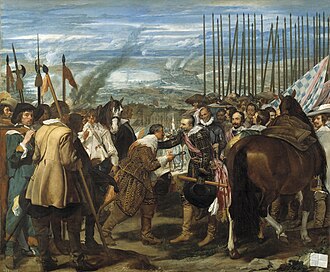 La rendición de Breda - Diego Velázquez (1635)
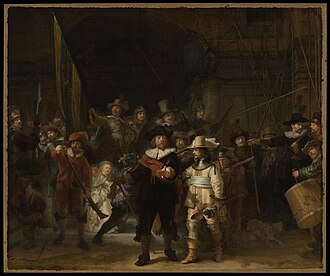 La ronda de noche - Rembrandt van Rijn (1642)
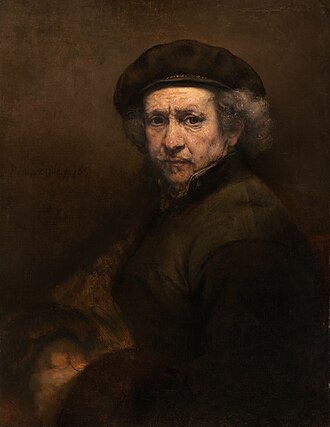 Autorretrato - Rembrandt van Rijn (1659)
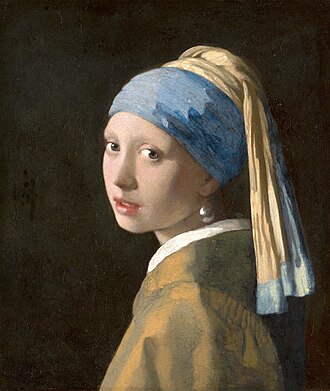 La joven de la perla - Johannes Vermeer (1665)
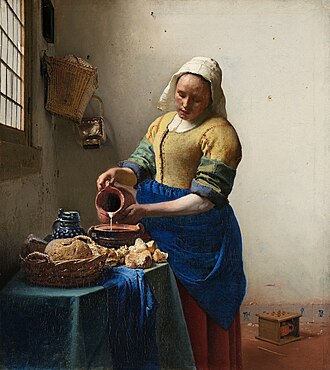 La lechera - Johannes Vermeer (c. 1658)