Autorretrato sin barba
Vincent van Gogh · 1889
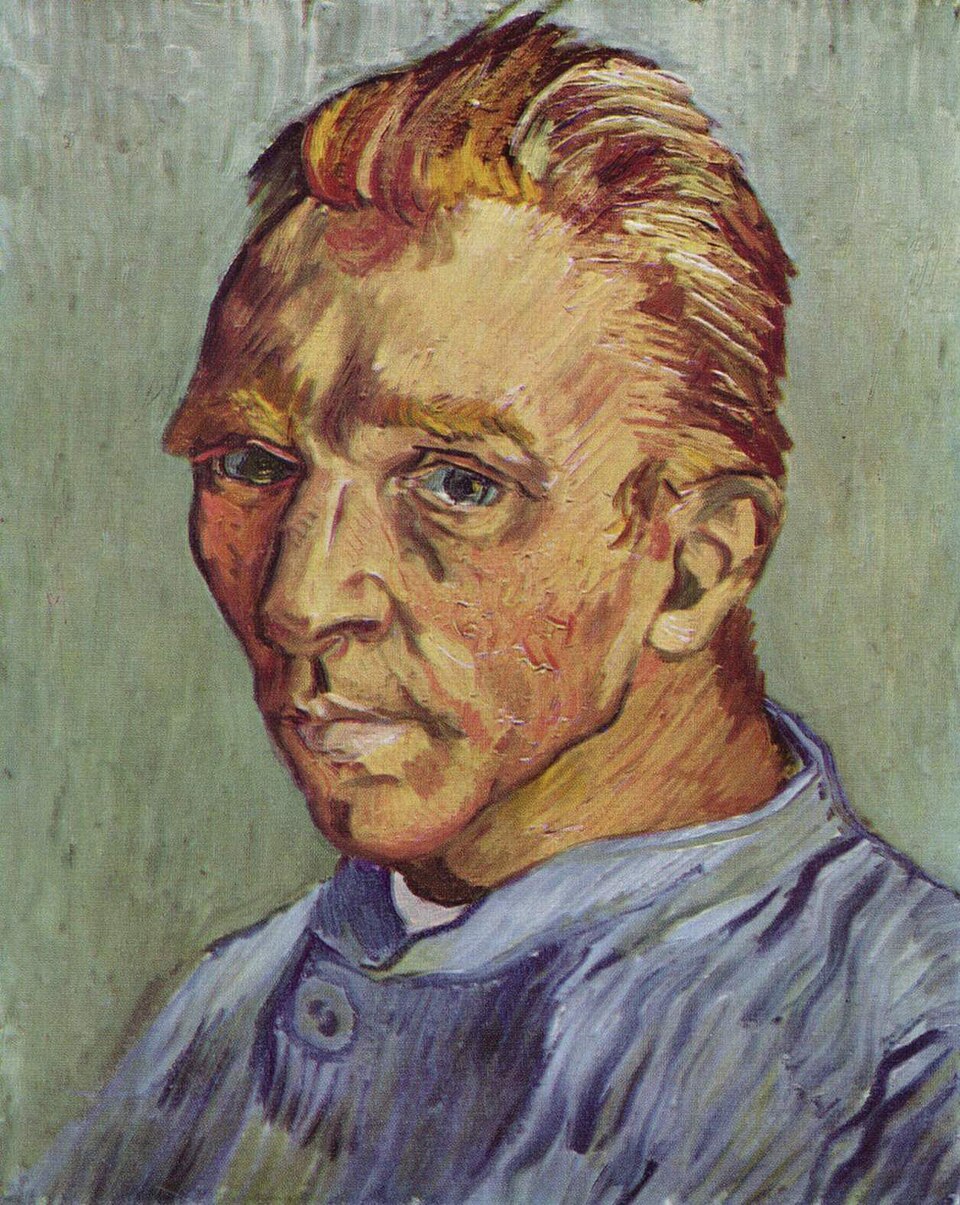
A freshly shaven face, a small canvas, and a gift meant for a mother's birthday. This quiet picture may be the last time Vincent van Gogh painted himself.
The story behind the painting
Self-portrait without beard, also known as Peasant of Zundert, is an oil on canvas that Vincent van Gogh painted in September 1889. The surviving written record about its making is brief, so we should be honest about what we know. It was painted in the same month as his other late self-portrait, now in the Musée d'Orsay, during the period he spent at Saint-Rémy-de-Provence before moving north. What makes its origin touching is its purpose: Van Gogh gave it to his mother as a birthday gift. Zundert, the village named in its alternative title, was where he was born, and the nickname quietly links this late image to his childhood home. Rather than a showpiece for dealers, it was a picture made to travel back to his family.
What to look for
This is an intimate work, only 40 by 31 centimetres, small enough to be held at arm's length. As its title tells us, it shows the painter clean-shaven, a striking change for an artist whose other late self-portrait shows him bearded. The sources available to us do not describe its colours or brushwork in detail, so rather than invent them, let the comparison guide you. Set it beside the Musée d'Orsay self-portrait from the same month, with its swirling background and undulating beard, and notice what the absence of the beard does to the face. The features appear more exposed, the expression more direct. Take your time with the eyes and the set of the mouth, the details any son might want his mother to recognise.
Meaning and intent
Its alternative name, Peasant of Zundert, invites a reading. By calling to mind the village of his birth, the picture seems to present Van Gogh not as the struggling artist of the south but as a son from the Dutch countryside. Because he gave it to his mother for her birthday, many viewers see in it a deliberate gentleness, a wish to appear presentable and calm to the people who knew him longest. We cannot know his private intentions beyond what the record states, but the context of a family gift naturally shapes how we look. It is also part of a larger conversation: whether this painting or the Orsay self-portrait is his final self-portrait remains an open question among scholars.
Legacy
Art historians remain divided about its place in Van Gogh's story. Ronald Pickvance considered this to be the last of his self-portraits, while Ingo F. Walther and Jan Hulsker believe the Orsay canvas came later. That uncertainty gives the small picture a special weight: it may be the final time the painter looked into a mirror and recorded what he saw. Unlike its companion in Paris, it is held in a private collection rather than a public museum, which makes it less familiar to most visitors. Yet it has become one of the most celebrated of his late works, a reminder that some of Van Gogh's most personal images were made not for the public at all, but for the people he loved.
¿Sabías que…?
- It is also known as Peasant of Zundert, after Van Gogh's birthplace.
- Van Gogh gave it to his mother as a birthday present.
- It was painted in September 1889, the same month as the Musée d'Orsay self-portrait.
- Ronald Pickvance believed it to be Van Gogh's final self-portrait.
Sobre el artista
Vincent van Gogh (1853-1890)
autorretrato · Vincent van Gogh
Más obras de Vincent van Gogh
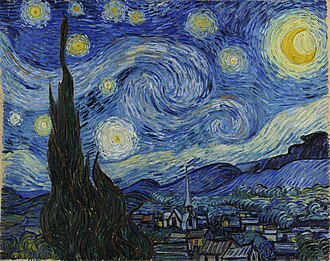 La noche estrellada - Vincent van Gogh (1889)
.jpg) Terraza de café por la noche - Vincent van Gogh (1888)
Terraza de café por la noche - Vincent van Gogh (1888)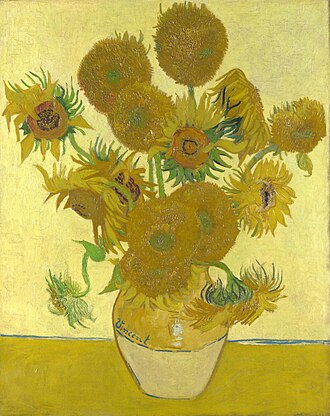 Los girasoles - Vincent van Gogh (1888)
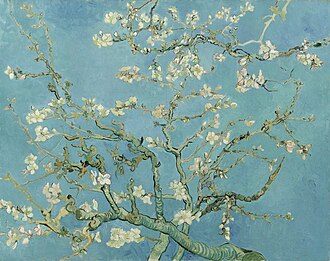 Almendro en flor - Vincent van Gogh (1890)
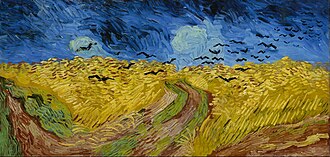 Campo de trigo con cuervos - Vincent van Gogh (1890)
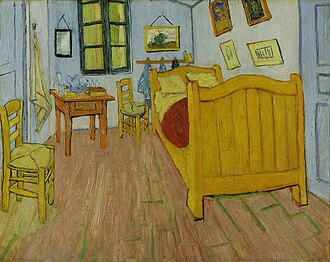 El dormitorio en Arlés - Vincent van Gogh (1888)
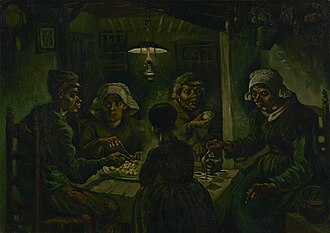 Los comedores de patatas - Vincent van Gogh (1885)
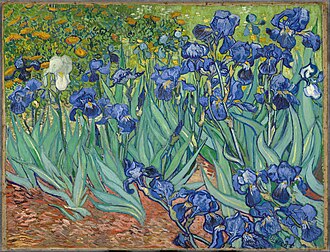 Lirios - Vincent van Gogh (1889)
Obras de artistas relacionados
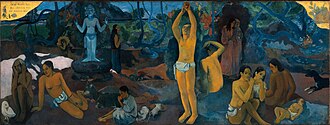 ¿De dónde venimos? ¿Qué somos? ¿Adónde vamos? - Paul Gauguin (1897-1898)
%201889.jpg) El Cristo amarillo - Paul Gauguin (1889)
El Cristo amarillo - Paul Gauguin (1889)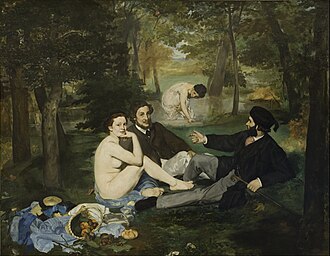 Almuerzo sobre la hierba - Édouard Manet (1863)
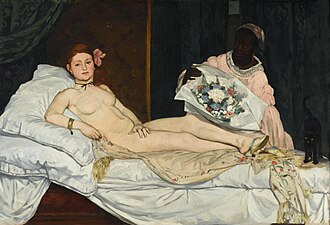 Olympia - Édouard Manet (1863)