Ferdinand Lured by Ariel
John Everett Millais · 1850
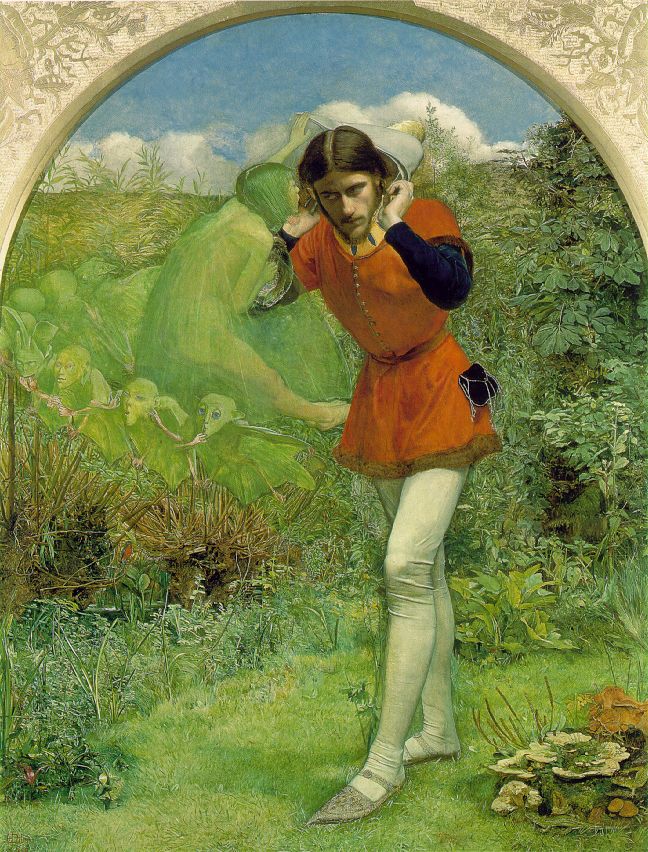
A young prince strains to hear music in the air, his hat tugged by a green sprite he cannot see. Millais painted every blade of grass for this scene from The Tempest, and critics called his Ariel a hideous green gnome.
The story behind the painting
The painting, of 1849 to 1850, shows an episode from Act I, Scene II of Shakespeare's The Tempest. Ferdinand speaks the line asking where the music can be, in the air or the earth, while Ariel sings Full fathom five thy father lies. It was Millais' first try at painting outdoors in the Pre-Raphaelite manner, at Shotover Park near Oxford. He wrote to his friend Holman Hunt that he had painted a ridiculously elaborate landscape, so minute that he had done every blade of grass and leaf distinct, yet still not close enough to nature.
What to look for
Ariel tips Ferdinand's hat from his head while Ferdinand holds its string and listens. Ferdinand looks straight at Ariel, but the spirit is invisible to him, and Millais suggests this by letting Ariel and the green bats around him half merge into the green background. Green lizards hide in the clump at the right foreground, a hint at natural camouflage. Ferdinand's face was painted from the Pre-Raphaelite Frederic George Stephens, and his clothes and pose come from a plate in Camille Bonnard's Costumes Historiques showing a young Italian of the fifteenth century. The bats were the last additions, posed as see, hear, speak no evil.
Meaning and intent
Millais broke with the graceful, sylph-like fairies of his day. His spirits are strange and grotesque, and that choice put off the patron who had first agreed to buy the picture. The painting set Shakespeare's magic inside a real English field, observed leaf by leaf, so that the supernatural hides in plain sight in nature itself. Critics were mixed: the Athenaeum found it better painted than Christ in the House of His Parents but more senseless in conception, the Art Journal saw eccentricity in the green gnome, and The Times called it a deplorable example of perverted taste.
Legacy
The work was shown at the Royal Academy in 1850 and bought by the collector Richard Ellison. In 1897 it entered the collection of Roger Makins, later 1st Baron Sherfield, who acquired several Millais paintings. Andrew Lloyd Webber later tried to buy it with the Ashmolean Museum, but the owner turned the offer down. In 1998, when it seemed it might leave Britain, the columnist Kevin Myers wrote that he would gladly put his foot through it. The work later received a three year temporary export licence to the Metropolitan Museum of Art, and a study for it is at Sudley House in Liverpool.
¿Sabías que…?
- Painted 1849 to 1850 at Shotover Park near Oxford.
- Illustrates Act I, Scene II of The Tempest.
- Shown at the Royal Academy in 1850.
- A study is held at Sudley House, Liverpool.
Sobre el artista
John Everett Millais (1829-1896)
Más obras de John Everett Millais
 Ofelia - John Everett Millais (1851)
 El Cristo en casa de sus padres - John Everett Millais (1849)
 Isabella - John Everett Millais (1849)
 Hojas de otoño - John Everett Millais (1856)
 Mariana - John Everett Millais (1851)
 El brunswicker negro - John Everett Millais (1860)
 El valle del descanso - John Everett Millais (1850s)
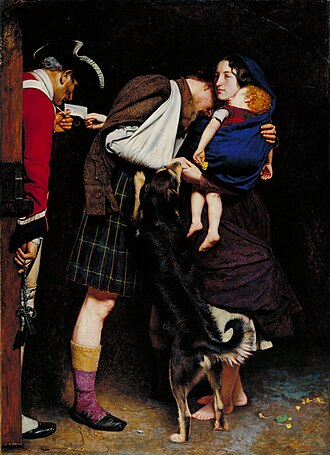 The Order of Release - John Everett Millais (1850s)
Obras de artistas relacionados
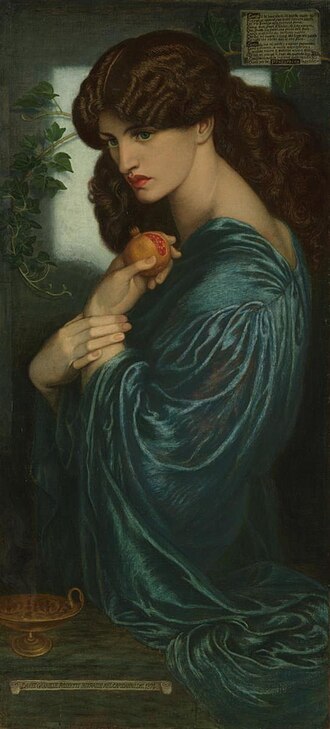 Proserpina - Dante Gabriel Rossetti (1874)
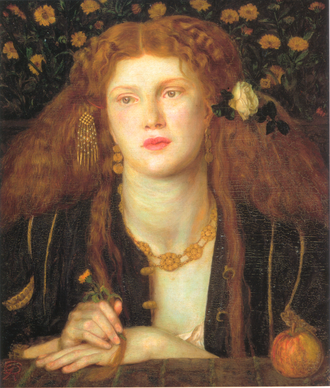 Bocca Baciata - Dante Gabriel Rossetti (1859)
 hilas y las ninfas - John William Waterhouse (1896)
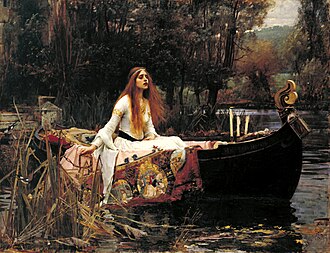 La señora de Shalott - John William Waterhouse (1888)