Un par de zapatos
Vincent van Gogh · 1886
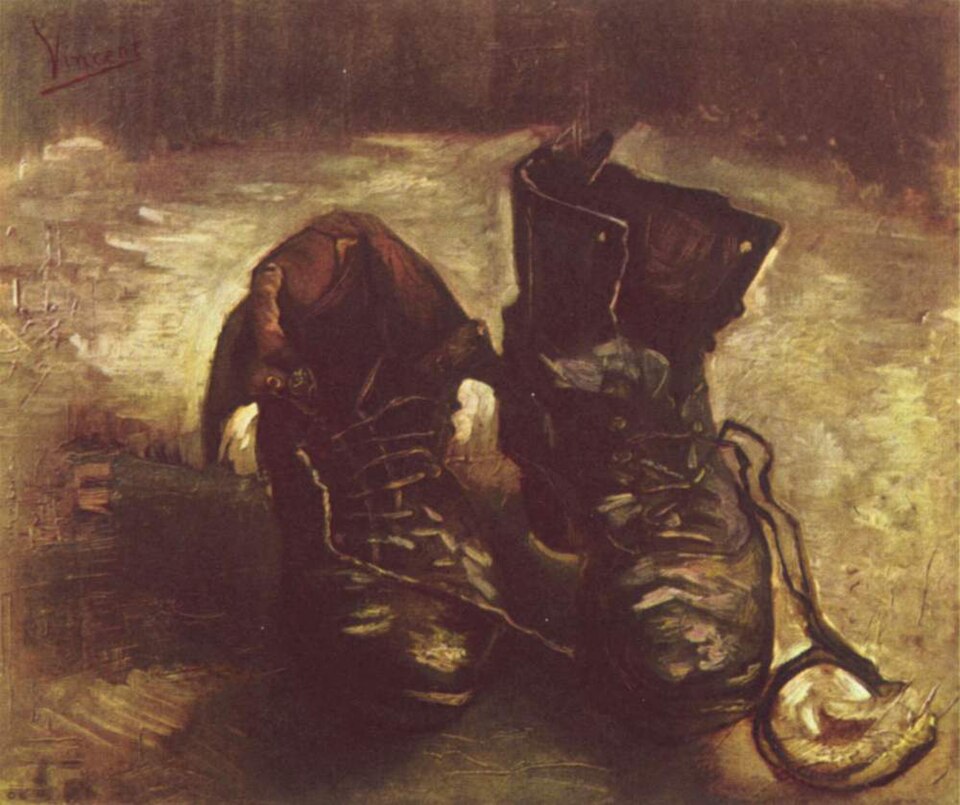
A pair of worn-out shoes from a Paris flea market became, in Van Gogh's hands, what has been called the most celebrated footwear in the history of modern art.
The story behind the painting
In 1886 Vincent van Gogh was living in Paris. At a flea market there he came across a pair of worn-out shoes, bought them, and later carried them back to his studio in Montmartre. According to some sources, the shoes did not fit him well, and so instead of wearing them he turned them into a prop. Between September and November 1886 he painted them, producing this still life, known in Dutch as Schoenen. It was not a one-time encounter with the subject. Alongside this 1886 canvas, Van Gogh painted other versions of shoes between 1886 and 1887, returning again and again to a humble object that most painters would have passed by without a second glance.
What to look for
The canvas is small, just 37.5 by 45 centimetres, and its subject is nothing more than a single pair of shoes. Take a moment to let that simplicity settle. There is no figure, no landscape, no story told in the usual way; the shoes themselves are the whole picture. Look at them as Van Gogh found them: old, used, already shaped by someone else's walking before they ever reached his studio. Notice how close the painting brings you to something ordinary, the kind of object that usually sits forgotten by a door. The intimacy of the small format asks you to stand near and look carefully, as he did while studying them in Montmartre.
Meaning and intent
What can a pair of shoes mean? After Van Gogh's death, this painting became the subject of a remarkable range of art historical and philosophical analyses. The philosopher Martin Heidegger, the art historian Meyer Schapiro, the critic Fredric Jameson and the philosopher Jacques Derrida were among those who wrote about it, each finding in these worn shoes a starting point for thinking about art, labour, ownership and truth. The sources do not settle the question of whose shoes they were in any deeper sense; what is recorded is that Van Gogh bought them second-hand and that they did not fit him. That gap, between a flea-market purchase and the weight of meaning later placed upon it, is part of the painting's enduring fascination.
Legacy
Few still lifes have travelled so far beyond the studio. The painting has been described as the most celebrated footwear in the history of modern art, a reputation built not only by viewers in museums but by generations of thinkers who returned to it in their writing. The canvas belongs to the collection of the Van Gogh Museum in Amsterdam, where it can be seen alongside the wider story of the painter's Paris years. The related versions he made in 1886 and 1887 remind us that this was a motif he kept exploring, and that the humble pair of shoes from a market stall became one of the most discussed objects he ever painted.
¿Sabías que…?
- Painted in Paris between September and November 1886.
- Van Gogh bought the worn shoes at a Paris flea market and brought them to his Montmartre studio.
- 37.5 × 45 cm; in the collection of the Van Gogh Museum, Amsterdam.
- Written about by Heidegger, Schapiro, Jameson and Derrida, among others.
Sobre el artista
Vincent van Gogh (1853-1890)
Más obras de Vincent van Gogh
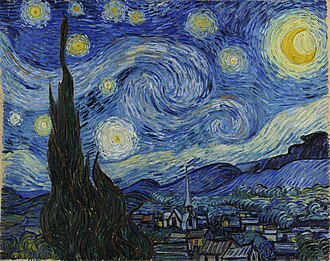 La noche estrellada - Vincent van Gogh (1889)
.jpg) Terraza de café por la noche - Vincent van Gogh (1888)
Terraza de café por la noche - Vincent van Gogh (1888)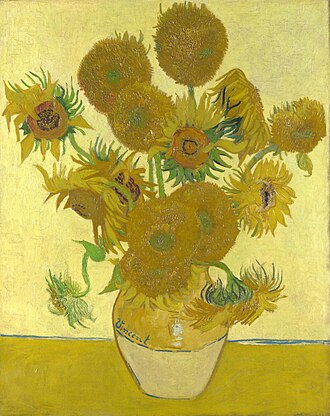 Los girasoles - Vincent van Gogh (1888)
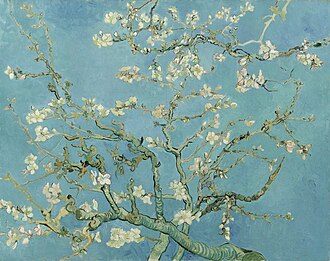 Almendro en flor - Vincent van Gogh (1890)
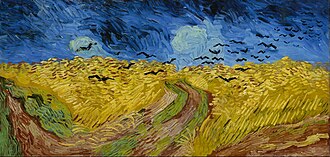 Campo de trigo con cuervos - Vincent van Gogh (1890)
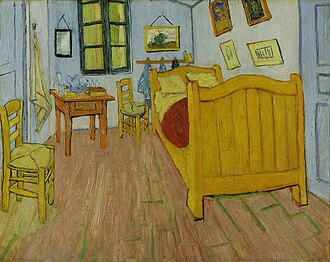 El dormitorio en Arlés - Vincent van Gogh (1888)
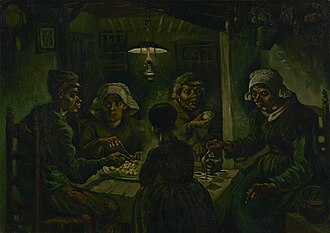 Los comedores de patatas - Vincent van Gogh (1885)
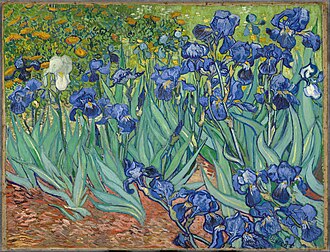 Lirios - Vincent van Gogh (1889)
Obras de artistas relacionados
 ¿De dónde venimos? ¿Qué somos? ¿Adónde vamos? - Paul Gauguin (1897-1898)
%201889.jpg) El Cristo amarillo - Paul Gauguin (1889)
El Cristo amarillo - Paul Gauguin (1889) Almuerzo sobre la hierba - Édouard Manet (1863)
 Olympia - Édouard Manet (1863)