Erythraean Sibyl
Michelangelo · 1508
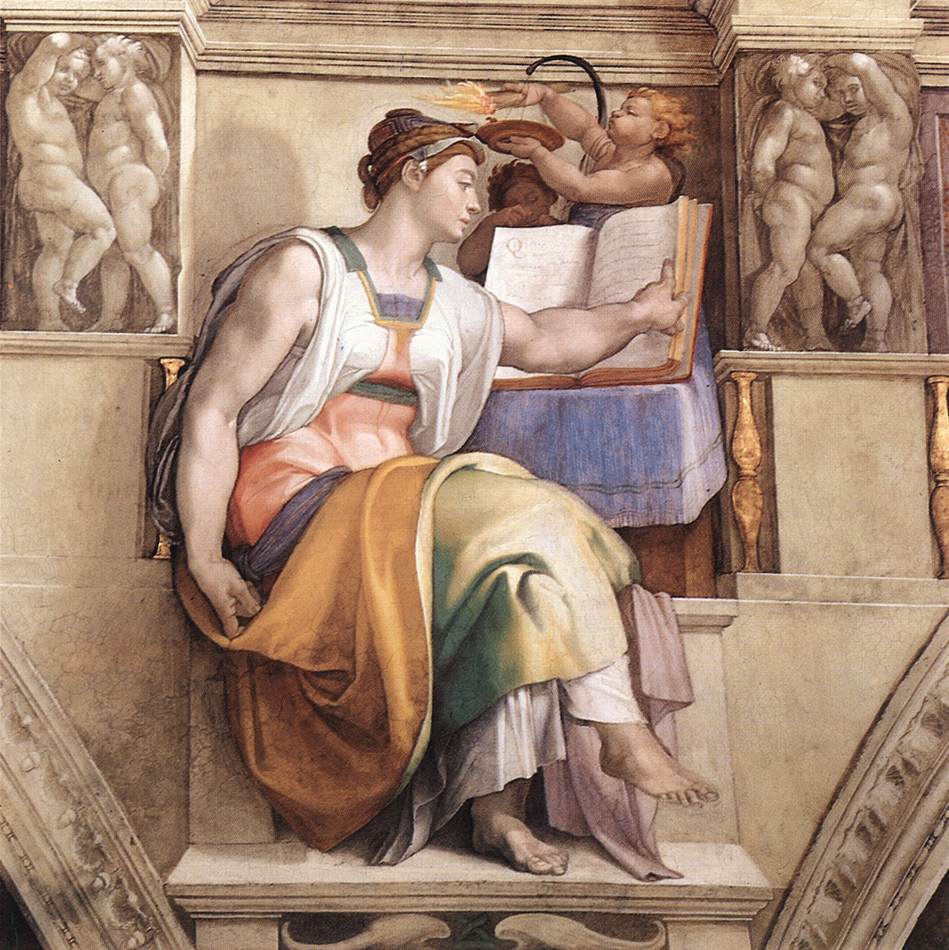
She turns the pages of a huge book of prophecy almost wearily, while behind her a boy lights a lamp and another rubs his eyes as if waking. The Erythraean Sibyl is one of Michelangelo's seers on the Sistine Chapel ceiling.
The story behind the painting
The fresco, about 360 by 380 cm, was painted by Michelangelo between about 1508 and 1510 as part of the Sistine Chapel ceiling commissioned by Pope Julius II. It shows the sibyl of Erythrae, who prophesied in that city in Ionia. Michelangelo painted the vault starting near the entrance door used for papal processions and ending above the altar, so this figure, in the third bay from the door, belongs to the first phase of the work, completed in 1510. Wikidata gives 1508 as the date.
What to look for
Like the other Seers, she sits on a great marble throne between painted reliefs of putti, with two young helpers and a name plaque held by a putto below, here ERITHRAEA. She leafs through a large volume set on a lectern covered with blue cloth. Her athletic body and powerful arms stand out; a preparatory sketch in the Louvre shows the arms in even more detail. Her clothes layer a white tunic, a red dress with many-coloured patterns and a cloak of green, orange and violet over her legs, with delicate accents of green and orange.
Meaning and intent
Her body turns toward the prophet Ezekiel, who in turn looks toward her, and the article notes that this exchange between two figures is unique across the whole vault. Behind the lectern one helper lights a lamp with a torch, a symbol of divination, while the other, in shadow, rubs his eyes as if just woken, perhaps standing for the awakening of souls lit by knowledge. Some have guessed that Michelangelo used male models for his female figures, but the article stresses that this has never been proven.
Legacy
The restoration of the ceiling revealed small changes Michelangelo made as he painted, known as pentimenti, in the foreshortening of the feet and ankles and in the upper line of the eyelids. These traces show the painter adjusting the figure on the wet plaster, high on the scaffold. The sibyl remains in the Sistine Chapel, part of the Vatican Museums, a quiet, thoughtful presence among the ceiling's seers, turning pages that are meant to point toward a future she cannot yet see.
Did you know?
- Painted about 1508 to 1510 on the Sistine Chapel ceiling.
- Third bay from the entrance, first phase of the work.
- She and the prophet Ezekiel look toward each other, unique on the vault.
- Restoration revealed small changes to feet and eyelids.
About the artist
Michelangelo (1475-1564)
High Renaissance · mythological painting · Vatican Museums
More by Michelangelo
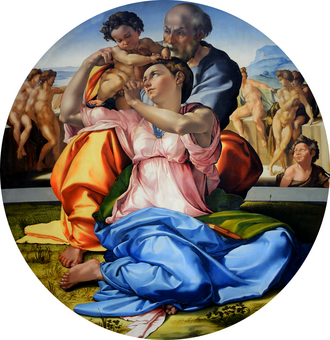 Doni Tondo - Michelangelo (1500s)
 The Torment of Saint Anthony - Michelangelo (1487)
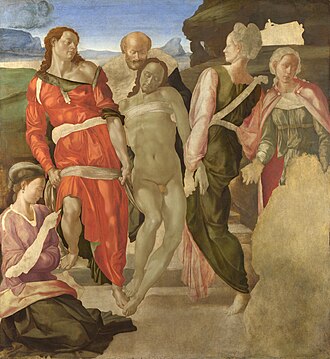 The Entombment - Michelangelo (1500s)
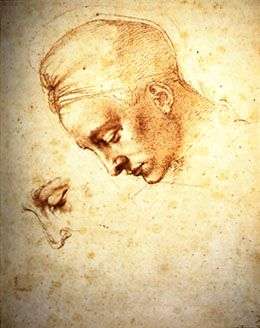 Leda and the Swan - Michelangelo (1530)
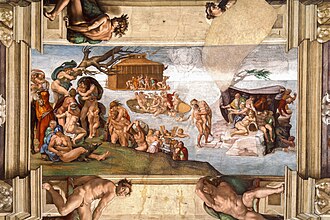 The Deluge - Michelangelo (1508)
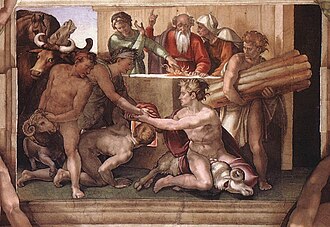 The Sacrifice of Noah - Michelangelo (1508)
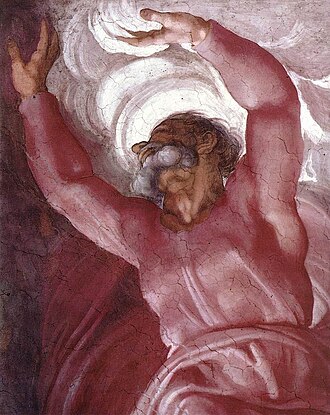 Separation of Light from Darkness - Michelangelo (1512)
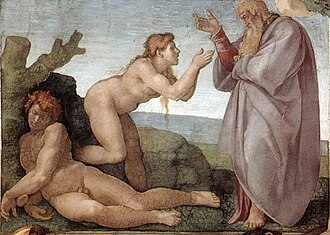 The Creation of Eve - Michelangelo (1511)
Paintings by related artists
.jpg) Venus of Urbino - Titian (1538)
Venus of Urbino - Titian (1538) Assumption of the Virgin - Titian (1510s)
 Sistine Madonna - Raphael (1510s)
.jpg) La fornarina - Raphael
La fornarina - Raphael Mona Lisa - Leonardo da Vinci (1503-1519)
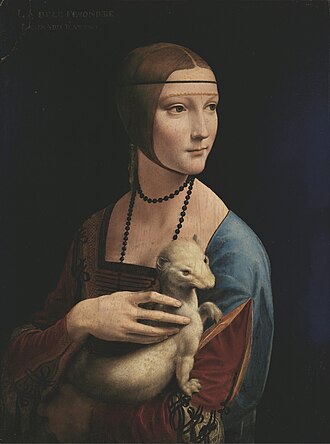 Lady with an Ermine - Leonardo da Vinci (1490)
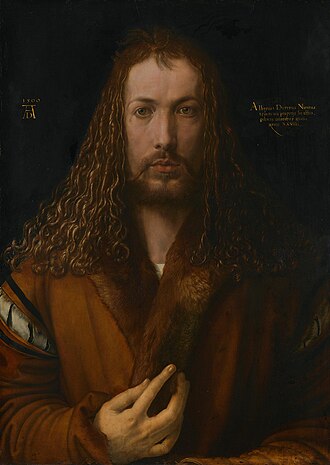 Self-Portrait with Fur-Trimmed Robe - Albrecht Dürer (1500)
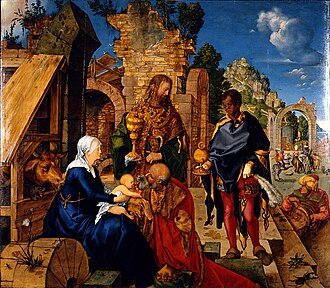 Adoration of the Magi - Albrecht Dürer (1504)
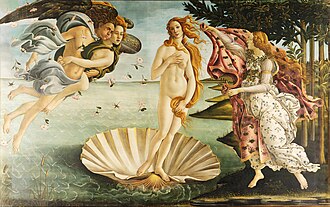 The Birth of Venus - Sandro Botticelli (c. 1485)
 Primavera - Sandro Botticelli (1480s)
 The Garden of Earthly Delights - Hieronymus Bosch
 Ship of Fools - Hieronymus Bosch (1500s)