Angel Holding a Phylactery
Raphael · 1500
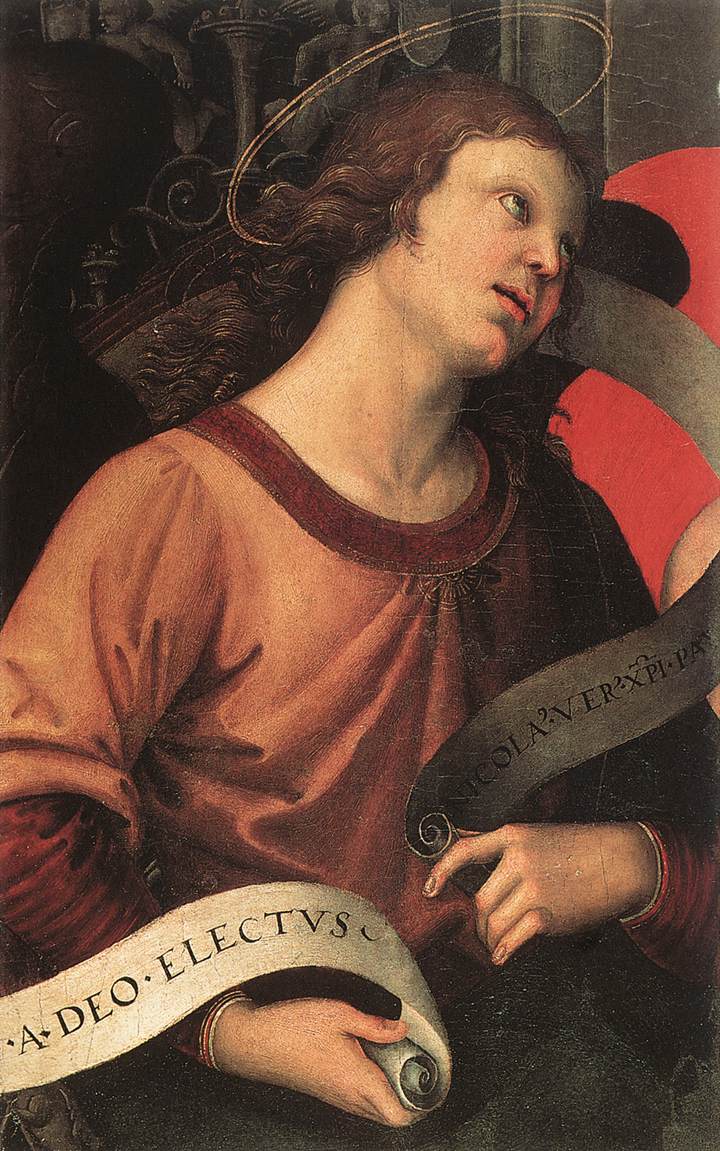
This angel is a survivor. He once stood beside Saint Nicholas of Tolentino in Raphael's first recorded altarpiece, until an earthquake in 1789 left the panel so damaged that it was sawn into pieces.
The story behind the painting
On 10 December 1500 Raphael and Evangelista da Pian di Meleto, an older painter from the workshop of Raphael's father, were commissioned together to paint a large altarpiece for the Baronci chapel in the church of Sant'Agostino in Città di Castello, near Urbino. It was dedicated to Nicholas of Tolentino, so it is also called the Altarpiece of Saint Nicholas of Tolentino. In the documents Raphael, unlike his partner, is already called magister, master. The work was finished on 3 September 1501. This angel, painted in oil on panel and about 57 by 36 cm, is one of four fragments that survive from the main painting.
What to look for
The fragment shows one of the angels who stood around the saint in the complete altarpiece. Wikidata describes him as holding a phylactery, a scroll that carried words in the original composition. A copy made in the eighteenth century, now in the Pinacoteca Comunale of Città di Castello, shows the whole work: Nicholas of Tolentino standing under an arch with the devil at his feet, three angels beside him, God the Father above holding a crown and surrounded by angel heads, with the Virgin Mary and Saint Augustine at his side. Seen with that copy in mind, this calm young face becomes a piece of a much larger vision.
Meaning and intent
Preliminary drawings by Raphael in the Musée Wicar in Lille and the Ashmolean Museum in Oxford suggest that the design of the altarpiece was entirely his, while Evangelista da Pian di Meleto helped with the execution. The most likely division is that Raphael painted the main panel and his partner the predella scenes. That makes this angel one of the earliest traces of the young painter at work on a major commission, aged around seventeen, at the moment the documents first call him a master.
Legacy
In 1789 a strong earthquake damaged the altarpiece so badly that it was sawn up and only the undamaged parts were kept. That same year Pope Pius VI acquired the fragments for the Vatican collections, where they stayed until 1849. What happened next is unclear. Only many years later did scholars trace six pieces: God the Father and the Virgin Mary in Capodimonte, Naples, a second smaller angel in the Pinacoteca Tosio Martinengo in Brescia, two predella scenes in Detroit, and this angel, now in the Louvre in Paris.
Did you know?
- Commissioned on 10 December 1500, finished 3 September 1501.
- Fragment of the Baronci altarpiece in Città di Castello.
- The altarpiece was cut up after an earthquake in 1789.
- Now in the Louvre, Paris.
About the artist
Raphael (1483-1520)
religious art · High Renaissance · Department of Paintings of the Louvre · angel
More by Raphael
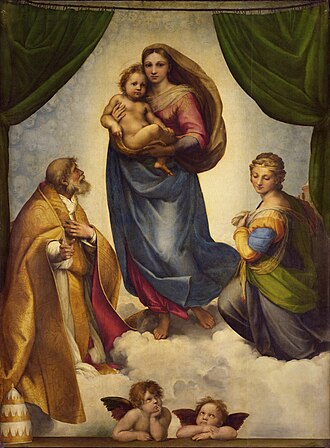 Sistine Madonna - Raphael (1510s)
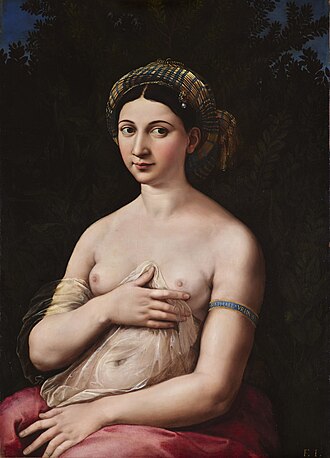 La fornarina - Raphael
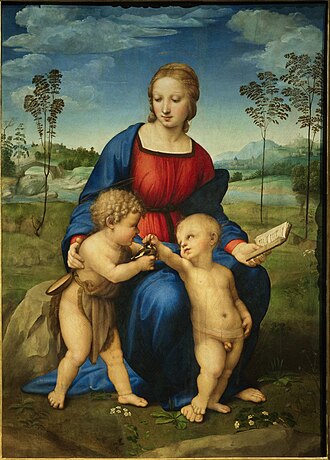 Madonna of the Goldfinch - Raphael (1500s)
 The Marriage of the Virgin - Raphael (1504)
 La velata - Raphael (1510s)
 Three Graces - Raphael (1504)
 Alba Madonna - Raphael (1510)
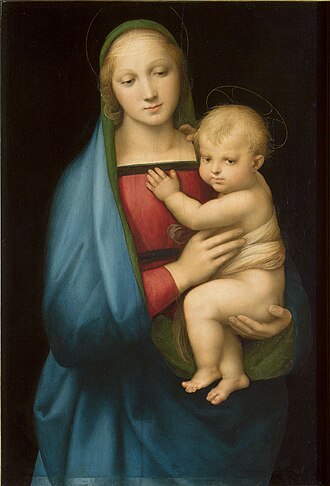 Madonna del Granduca - Raphael (1500s)
Paintings by related artists
 Venus of Urbino - Titian (1538)
 Assumption of the Virgin - Titian (1510s)
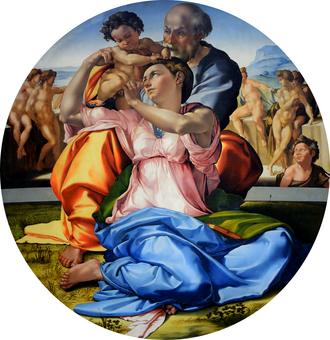 Doni Tondo - Michelangelo (1500s)
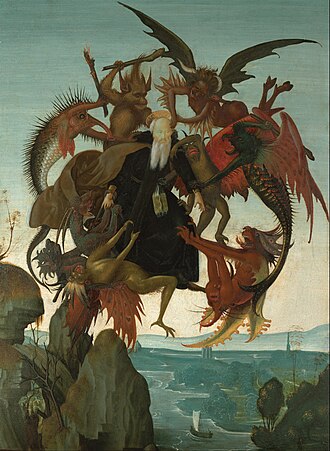 The Torment of Saint Anthony - Michelangelo (1487)
 Mona Lisa - Leonardo da Vinci (1503-1519)
 Lady with an Ermine - Leonardo da Vinci (1490)
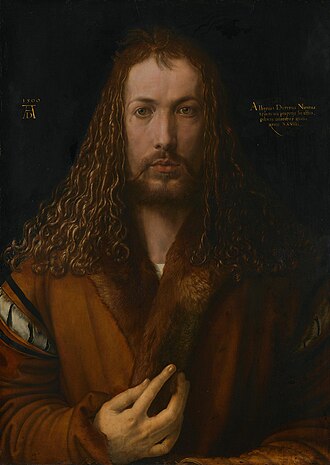 Self-Portrait with Fur-Trimmed Robe - Albrecht Dürer (1500)
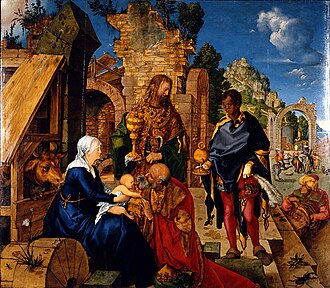 Adoration of the Magi - Albrecht Dürer (1504)
 The Birth of Venus - Sandro Botticelli (c. 1485)
 Primavera - Sandro Botticelli (1480s)
 The Garden of Earthly Delights - Hieronymus Bosch
 Ship of Fools - Hieronymus Bosch (1500s)