Man at His Bath
Gustave Caillebotte · 1884
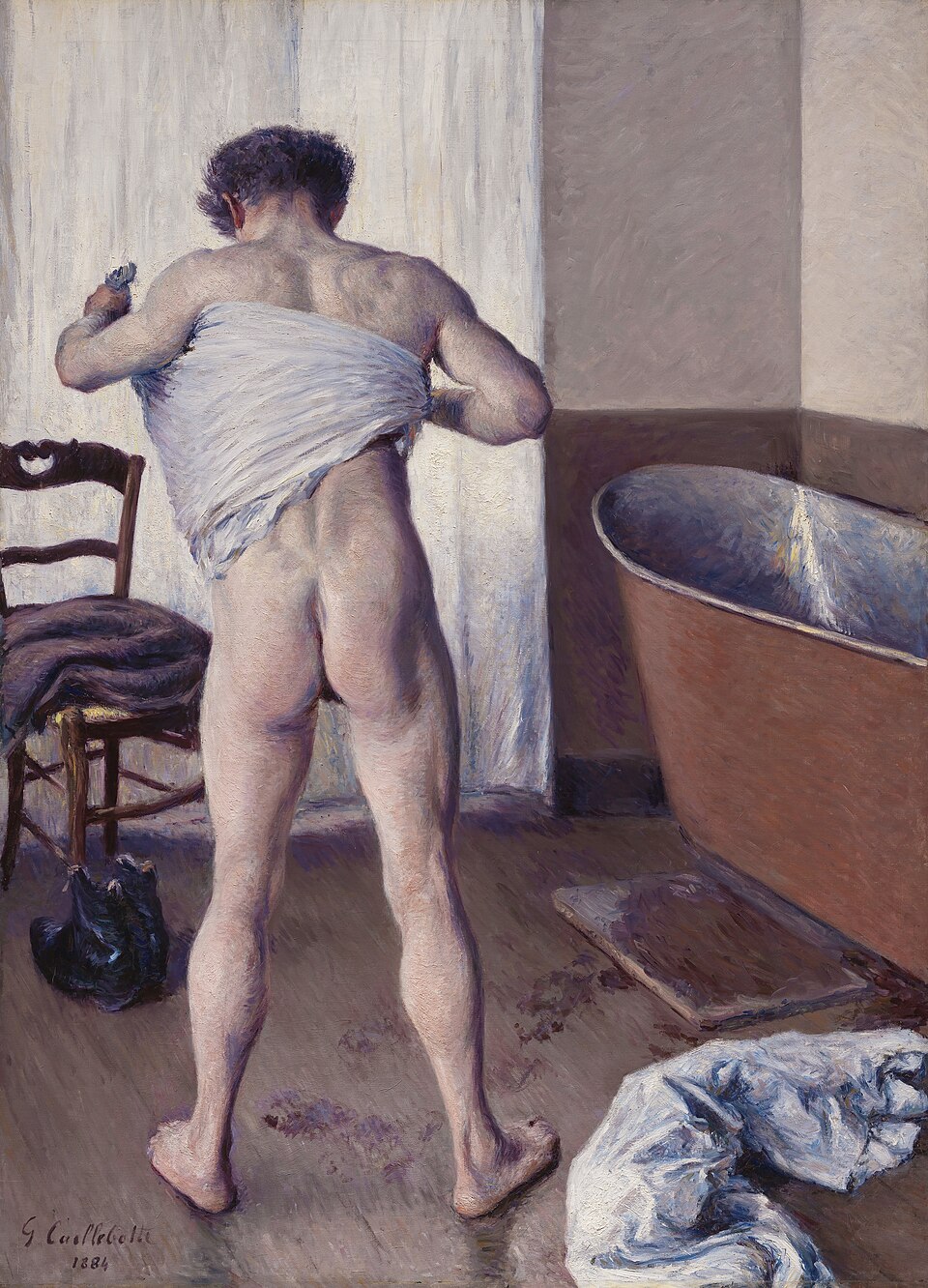
A man has just stepped out of a metal tub and is drying his back, wet footprints trailing across the floorboards. It is an ordinary moment, yet in 1888 it was shut away in a small room so the public would not see it.
The story behind the painting
Gustave Caillebotte painted Homme au bain in 1884. By then he had painted many images faithful to real people and their surroundings. He sent it to the Les XX exhibition in Brussels in 1888, where it proved controversial enough to be removed from public view and placed in a small, inaccessible room. After his death in 1894 it stayed with his descendants, then passed to another family, and in 1967 to a private collection in Switzerland, far from public eyes for most of its life.
What to look for
The canvas is large, about 145 by 114 cm. A naked man is seen from behind, drying himself with a towel that covers only the middle of his back. He has just left a large metal bathtub in the corner of a plain room. His clothes are folded on a wooden chair beside his boots, and a towel or robe lies on the floor next to the tub. Look down at the wooden floor: he has left wet footprints across it, a small detail that makes the moment feel caught in passing.
Meaning and intent
As in The Floor Scrapers, Caillebotte did not try to show an idealised masculinity, but a typical 19th-century man. Interpretations contrast the masculinity of the image with the figure's vulnerability. Male nudes were rare in Impressionist art, while female nudes were an established theme, and feminist critics have argued that images of women at their toilette were associated with prostitution in 19th-century France. Turning that familiar scene onto a man, in a domestic room, the painting challenges traditional ideas of masculinity and gender norms at home.
Legacy
The Museum of Fine Arts, Boston, borrowed the painting in 2011 and then decided to buy it before its exhibition Degas and the Nude. Expecting that donors would hesitate to fund a male nude, the museum sold eight other paintings given by benefactors, including works by Monet, Renoir and Gauguin. The decision was controversial; others defended it, and a Boston Globe editor called it the kind of bold, adventurous move a world-class museum ought to make. The painting became the museum's first Impressionist nude, joining one other Caillebotte, the still life Fruits sur un étalage.
Schon gewusst?
- Painted in 1884.
- Hidden in a small room at the Les XX show in Brussels, 1888.
- With Caillebotte's heirs until 1967.
- In the Museum of Fine Arts, Boston, since 2011.
Über den Künstler
Gustave Caillebotte (1848-1894)
Mann · Genreszene · Akt · Nacktheit · Stuhl · Museum of Fine Arts Boston · Gesäß · Barfüßigkeit · Badewanne
Mehr von Gustave Caillebotte
 Straße in Paris an einem regnerischen Tag - Gustave Caillebotte (1877)
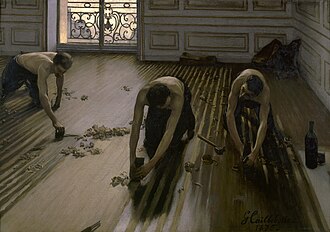 Die Parkettschleifer - Gustave Caillebotte (1875)
%20-%20Google%20Art%20Project.jpg) Verschneite Dächer - Gustave Caillebotte (1878)
Verschneite Dächer - Gustave Caillebotte (1878) Le Pont de l'Europe - Gustave Caillebotte (1876)
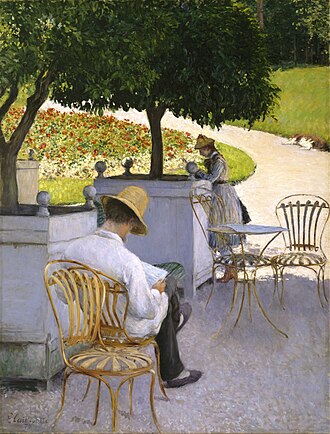 Die Orangenbäume - Gustave Caillebotte (1878)
.jpg) Junger Mann am Fenster - Gustave Caillebotte (1876)
Junger Mann am Fenster - Gustave Caillebotte (1876)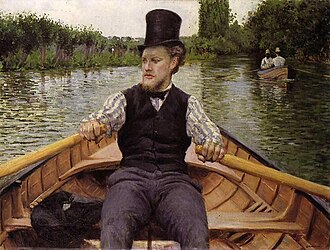 Ruderer mit Zylinder - Gustave Caillebotte (1878)
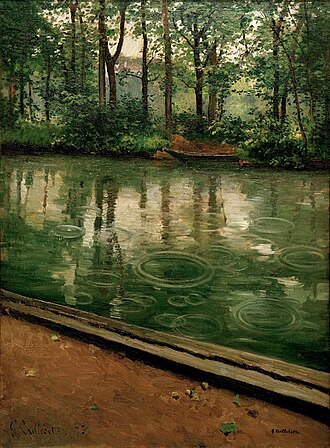 Yerres, Wirkung des Regens - Gustave Caillebotte (1875)
Werke verwandter Künstler
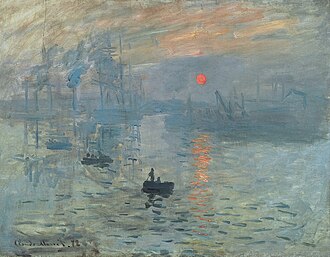 Impression, Sonnenaufgang - Claude Monet (1872)
 Seerosen - Claude Monet (1906)
 Das Frühstück im Grünen - Édouard Manet (1863)
 Olympia - Édouard Manet (1863)
 Tanz im Moulin de la Galette - Pierre-Auguste Renoir (1876)
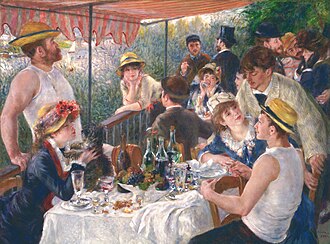 Das Frühstück der Ruderer - Pierre-Auguste Renoir (1881)
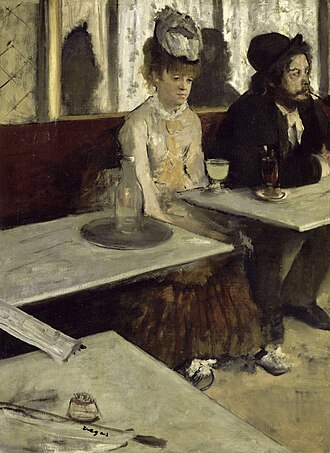 Der Absinth - Edgar Degas (1875)
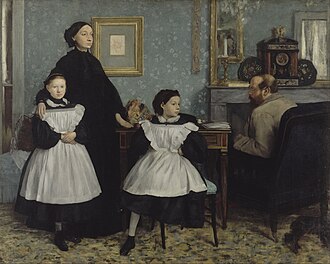 Die Bellelli Familie - Edgar Degas (1858)
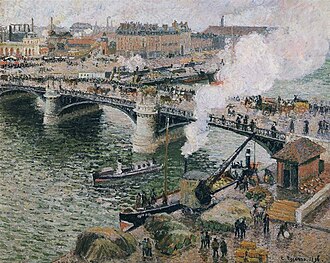 Pont Boieldieu in Rouen, Rainy Weather - Camille Pissarro (1896)
 Rue Saint-Honoré, dans l'après-midi. Effet de pluie - Camille Pissarro (1897)
 Strandspaziergang - Joaquín Sorolla (1909)
 Sad Inheritance - Joaquín Sorolla (1898)