Die Kirche von Nuenen mit Kirchgängern
Vincent van Gogh · 1884
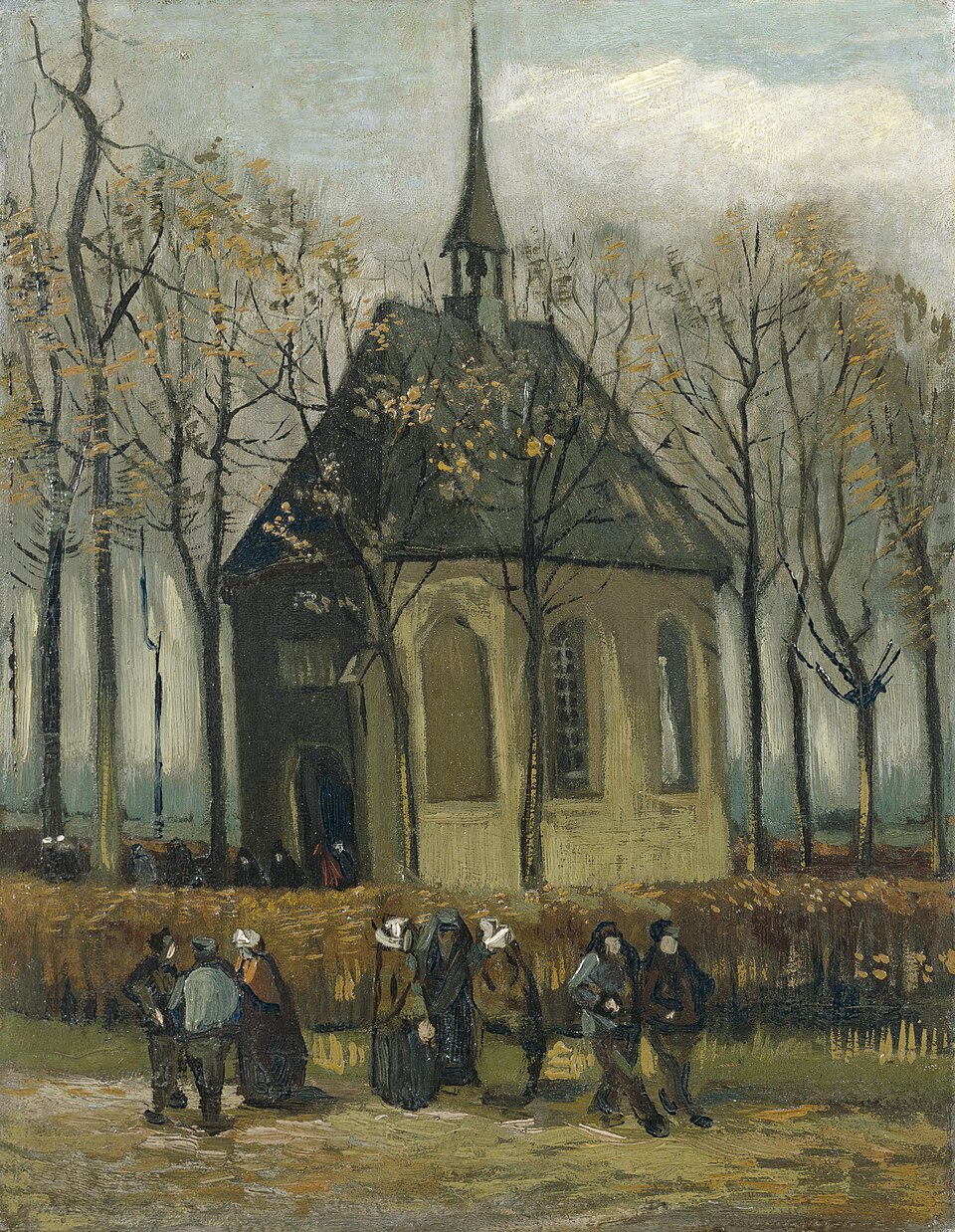
Van Gogh painted his father's little church as a gift for his injured mother. Almost two years later, after his father's death, he returned to the canvas and filled the path with mourners.
The story behind the painting
From December 1883 to May 1885, Vincent van Gogh lived with his parents at the vicarage in Nuenen, a small village in North Brabant, a few miles northeast of Eindhoven. His father had become pastor of the Dutch Reformed Church there in 1882. In these months Vincent painted local peasants, including The Potato Eaters, and he also painted the church. In January or February 1884 he made this picture of his father's small church, working from an earlier sketch. It was a gift with a tender purpose: he painted it for his mother, who was confined to the house with a broken leg and could not go out to see the village for herself.
What to look for
This is a small oil on canvas, about 41.5 by 32 centimetres. At its heart stands the modest church, with a hedge and trees around it. When first painted, in winter, the trees were bare, and a peasant with a spade stood in the foreground, just as in the sketch. Look again and you will not find him. He was painted out, probably in late 1885, when Van Gogh also gave the trees their leaves and added the congregation streaming from the church. The churchgoers are dressed in mourning clothes. The canvas therefore holds two moments in one image: a winter view made for a convalescent, and a later scene of a community in black.
Meaning and intent
The changes tell a family story. Van Gogh's father died in March 1885. When Vincent reworked the canvas later that year, he added the congregation in mourning and, among them, a woman in mourning. It has been suggested that he made these additions for his mother, as a memorial to his father. If so, the painting became doubly a gift to her: first a window onto the church she could not reach, then a remembrance of the man who preached there. The parsonage church, the faithful leaving its doors and the dark clothes together turn an ordinary village view into a quiet act of grief and love.
Legacy
The painting is catalogued as F25 in Jacob Baart de la Faille's 1928 catalogue of Van Gogh's works and as JH521 in Jan Hulsker's 1978 The Complete Van Gogh. Its later life was dramatic. On 7 December 2002 it was stolen from the Van Gogh Museum in Amsterdam, together with Beach at Scheveningen in Stormy Weather. It stayed missing for more than thirteen years, until the Italian Guardia di Finanza recovered it at Castellammare di Stabia, near Naples, in January 2016, without its original frame. The recovery was announced in September 2016, and the painting went back on display at the Van Gogh Museum in March 2017.
Schon gewusst?
- Made in January or February 1884, modified in late 1885 (Wikipedia)
- Oil on canvas, about 41.5 × 32 cm (Wikipedia)
- Stolen in 2002, recovered near Naples in January 2016 (Wikipedia)
- Catalogued as F25 and JH521 (Wikipedia)
Über den Künstler
Vincent van Gogh (1853-1890)
Landschaftsmalerei · Van Gogh Museum · Mensch · Kirchengebäude
Mehr von Vincent van Gogh
 Die Sternennacht - Vincent van Gogh (1889)
.jpg) Caféterrasse am Abend - Vincent van Gogh (1888)
Caféterrasse am Abend - Vincent van Gogh (1888)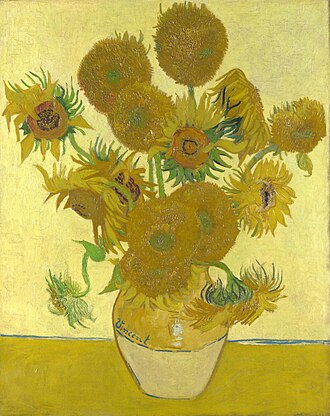 Sonnenblumen - Vincent van Gogh (1888)
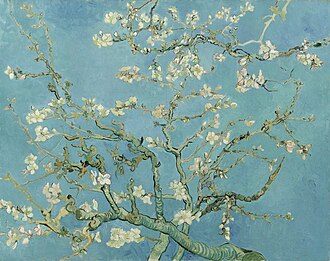 Mandelblüte - Vincent van Gogh (1890)
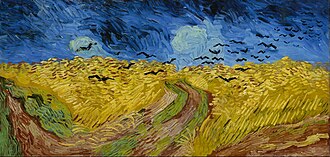 Weizenfeld mit Raben - Vincent van Gogh (1890)
 Das Schlafzimmer - Vincent van Gogh (1888)
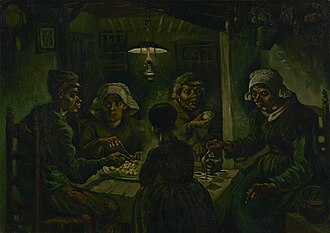 Die Kartoffelesser - Vincent van Gogh (1885)
 Schwertlilien - Vincent van Gogh (1889)
Werke verwandter Künstler
 Woher kommen wir? Wer sind wir? Wohin gehen wir? - Paul Gauguin (1897-1898)
%201889.jpg) Der gelbe Christus - Paul Gauguin (1889)
Der gelbe Christus - Paul Gauguin (1889) Das Frühstück im Grünen - Édouard Manet (1863)
 Olympia - Édouard Manet (1863)