Bathseba mit Davids Brief
Rembrandt van Rijn · 1654
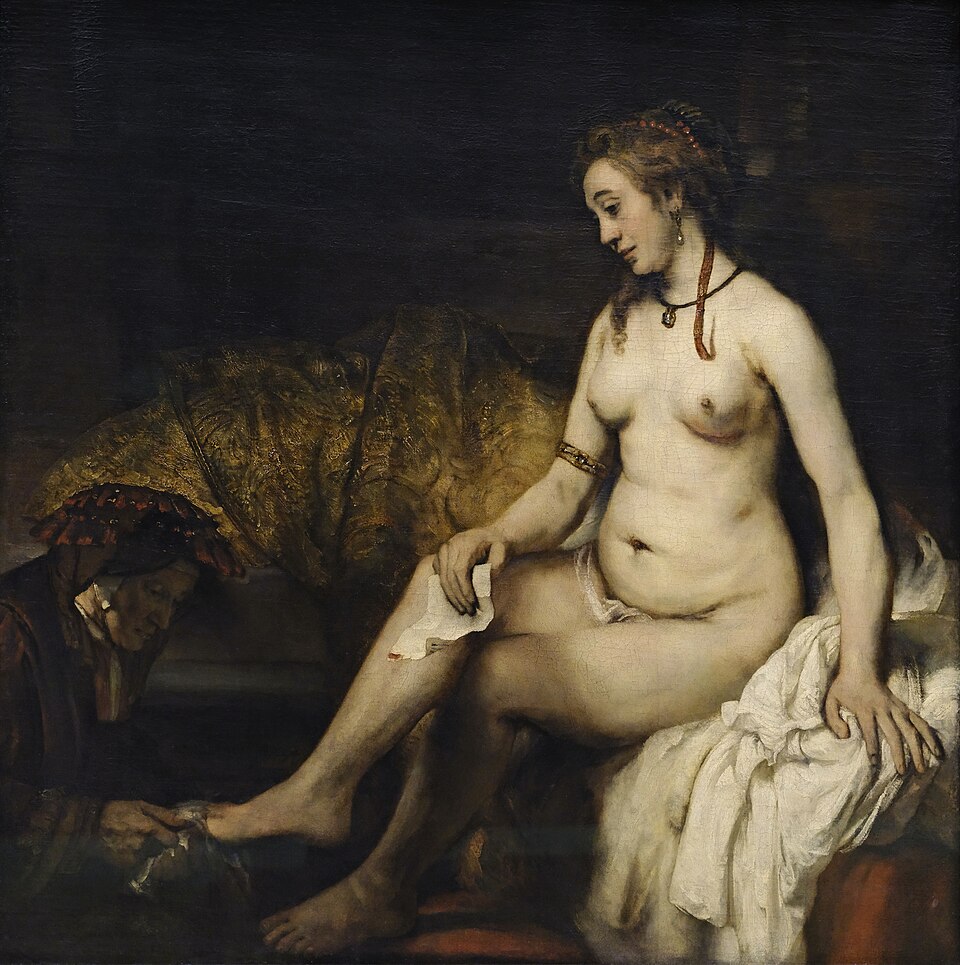
She holds a king's letter and looks at nothing at all. Rembrandt painted Bathsheba not as a temptation but as a woman caught inside an impossible choice.
The story behind the painting
Rembrandt finished Bathsheba at Her Bath, also called Bathsheba with King David's Letter, in 1654. It took years: the canvas was begun around 1647 and altered and repainted until its completion. X-radiographs show that late in the process he lowered Bathsheba's head; at first she seemed to glance sideways, as if watching David. Originally there was no letter in her hand, and the canvas may once have been larger and vertical, perhaps trimmed by Rembrandt himself to intensify the figure. It is not known whether he painted it for himself or on commission. The model has traditionally been identified as his partner Hendrickje Stoffels, then about 28, though the historian Eric Jan Sluijter argues the face is an ideal type Rembrandt used over many years.
What to look for
Bathsheba is life-sized and fills a shallow space, dominating the square canvas, 142 by 142 centimetres, as she does in no earlier version of the scene. The background is dark, suggesting night, and a massive column hints at grand architecture. Behind her, drapery in browns and ochres glows with golden warmth, while a thickly painted white chemise sets off her body. Look at the flesh: broad brushstrokes and strong highlights give it a solid, almost touchable presence. Her stomach, hands and feet look observed rather than idealised. At her feet an attendant dries her foot. Then find the letter in her right hand, and her softened gaze, directed vaguely towards the maid but resting on nothing, lost in thought.
Meaning and intent
The story comes from 2 Samuel 11: King David sees Bathsheba bathing, summons her, and later sends her husband Uriah to his death. Earlier painters, including Rembrandt himself in 1643, showed her outdoors with maidservants and a distant David. Here he removes David and nearly all the narrative props, keeping only the letter and the attendant. The viewer takes David's place as onlooker. Yet the painting is not simply erotic. The letter, which does not appear in the biblical text, confronts her with a choice between fidelity to her husband and obedience to her king, and her expression suggests resignation and the whole tragedy to come. Kenneth Clark wrote that this acceptance of the imperfect body grants her the Christian privilege of a soul.
Legacy
The painting hangs in the Louvre, one of 583 works donated by Dr Louis La Caze in 1869. Kenneth Clark called it Rembrandt's greatest painting of the nude, and its insight into Bathsheba's moral dilemma has been described as one of the great achievements of Western painting. Its influence was felt at once: in the same year, Rembrandt's former pupil Willem Drost painted his own Bathsheba with David's Letter, which is also in the Louvre. The picture continues to provoke study, from debates about the model to medical researchers who have speculated about the shape of her left breast. Above all, it remains rare in art: a nude in which the body is inseparable from the thinking mind within it.
Schon gewusst?
- X-rays show Rembrandt lowered Bathsheba's head late in the painting process.
- The letter in her hand was not part of the original composition.
- It came to the Louvre in 1869 with the La Caze donation of 583 works.
- Willem Drost painted his own Bathsheba with David's Letter in the same year.
Über den Künstler
Rembrandt van Rijn (1606-1669)
Frau · religiöse Kunst · Niederländisches Goldenes Zeitalter der Malerei · Gemäldeabteilung des Louvre · Sitzen · Akt · Nacktheit · Dienstbote · Brief
Mehr von Rembrandt van Rijn
 Die Nachtwache - Rembrandt van Rijn (1642)
 Selbstbildnis - Rembrandt van Rijn (1659)
 Die Anatomie des Dr. Tulp - Rembrandt van Rijn (1632)
 Die Judenbraut - Rembrandt van Rijn (1660s)
 Der Sturm auf dem See Genesareth - Rembrandt van Rijn (1633)
 Die Rückkehr des verlorenen Sohnes - Rembrandt van Rijn (1668)
 Danaë - Rembrandt van Rijn (1636)
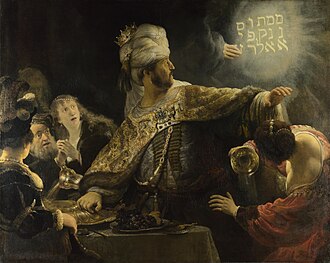 Das Gastmahl des Belsazar - Rembrandt van Rijn (1636)
Werke verwandter Künstler
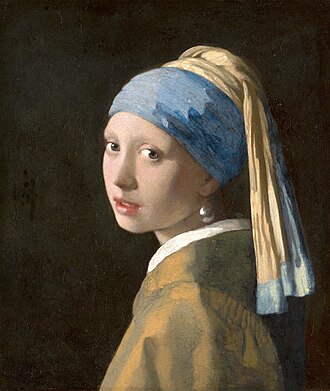 Das Mädchen mit dem Perlenohrgehänge - Johannes Vermeer (1665)
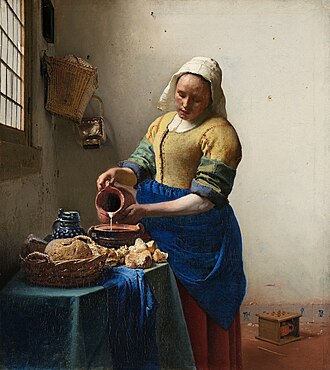 Dienstmagd mit Milchkrug - Johannes Vermeer (c. 1658)
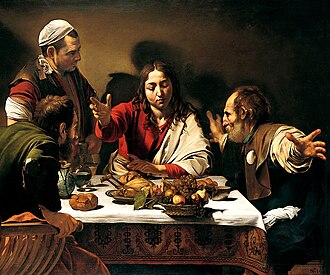 Das Abendmahl in Emmaus - Caravaggio (1601)
 Die Berufung des Hl. Matthäus - Caravaggio (1609)
 Las Meninas - Diego Velázquez (1656)
 Die Übergabe von Breda - Diego Velázquez (1635)